
Key Takeaways
- Sustainability Focus: Organic bag manufacturers prioritize eco-friendly production, using certified organic materials that reduce environmental impact compared to plastic alternatives.
- Diverse Product Range: They offer a variety of products, including reusable shopping bags, vegetable bags, and eco bags, catering to different consumer needs while promoting sustainable practices.
- Industry Certifications: Key certifications, such as GOTS, Fair Trade, and Oeko-Tex, ensure compliance with stringent social and environmental standards, enhancing consumer trust.
- Health Benefits: Organic bags are free from harmful chemicals, making them a safer option for transporting food and personal items, which aligns with growing health consciousness.
- Consumer Trends: There is a rising demand for eco-friendly products, with many consumers preferring brands that prioritize sustainability, convenience, and safety, significantly impacting market growth.
- Innovative Practices: Leading manufacturers and startups in the organic bag industry employ innovative techniques and materials, fostering a competitive yet responsible marketplace aimed at reducing single-use plastics.
Have you ever stopped to think about the bags you carry every day? With a world increasingly aware of sustainability, organic bag manufacturers are stepping into the spotlight, offering eco-friendly alternatives that don’t compromise on style or functionality. Imagine holding a soft, durable cotton bag, its earthy scent reminding you of the fields where it was grown, and knowing it’s made from certified organic materials.
As I explore the realm of organic bags, I’m excited to share insights into how these manufacturers are reshaping our shopping habits while championing fair trade practices. From reusable shopping bags to vibrant vegetable pouches, the innovation in this industry is both inspiring and essential.
Join me as we dive into the fascinating world of organic bag manufacturers and discover how they’re making a positive impact on our planet.
Overview of Organic Bag Manufacturers

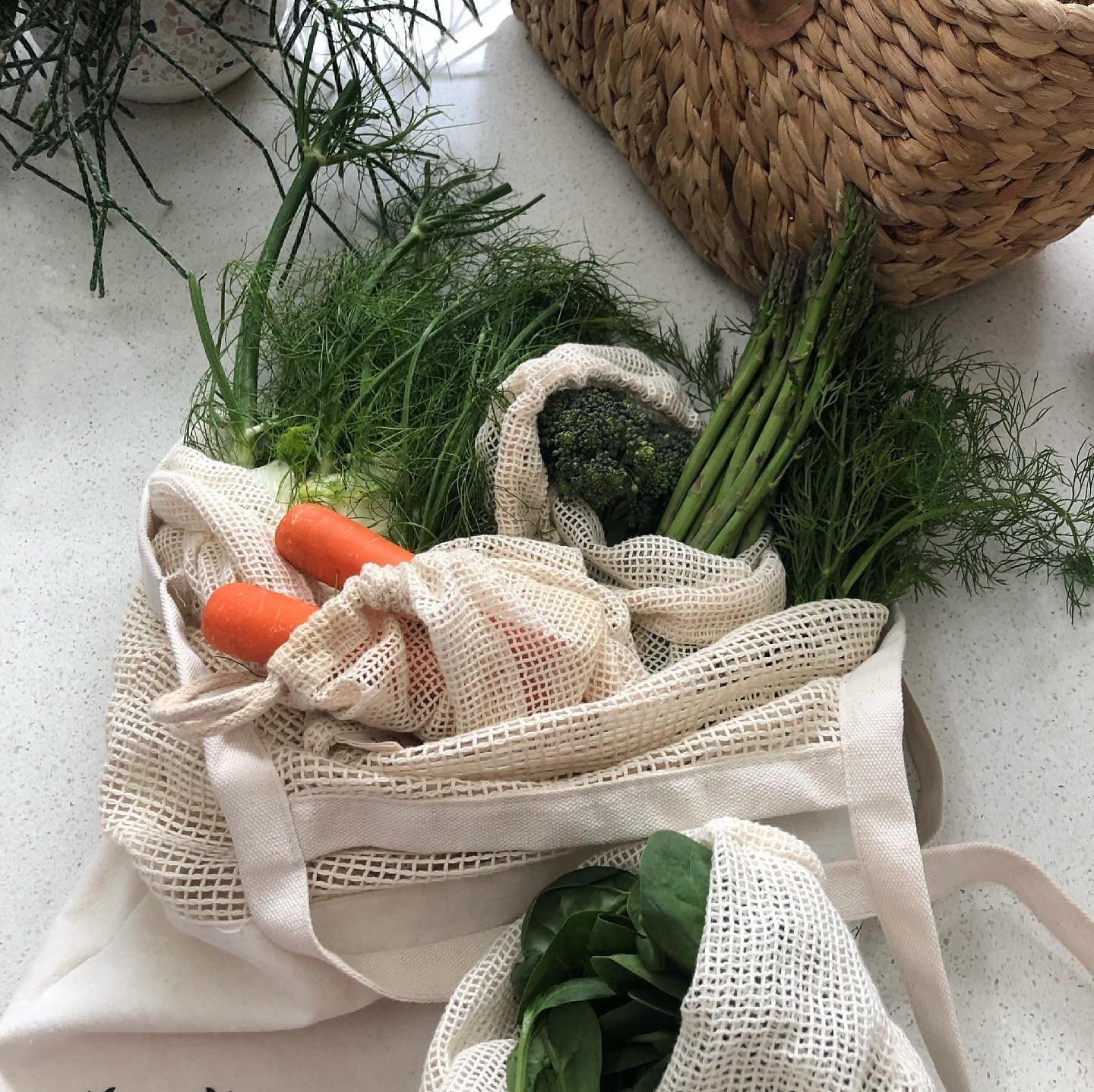
Organic bag manufacturers play a significant role in the shift towards sustainable living. These manufacturers produce bags using certified organic materials, ensuring a lower environmental impact compared to traditional bags. With an increasing demand for eco-friendly options, these manufacturers supply a variety of products, including vegetable bags, reusable bags, shopping bags, and eco bags.
Many manufacturers focus on certifications such as Global Organic Textile Standard (GOTS), Fair Trade, and Oeko-Tex. These certifications guarantee that the materials and processes used meet rigorous social and environmental standards. For instance, a GOTS Certified manufacturer indicates compliance with organic fiber content, environmental processing, and social criteria.
| Certification | Description |
| GOTS | Ensures organic status and environmental responsibility |
| Fair Trade | Promotes fair labor practices and sustainable livelihoods |
| Oeko-Tex | Validates the absence of harmful substances in textiles |
The variety of products from organic bag manufacturers includes options in diverse colors, sizes, and designs, catering to different consumer needs. For example, organic cotton vegetable bags keep produce fresh, while reusable shopping bags offer a stylish yet practical alternative for everyday errands.
Also, many manufacturers adopt eco-conscious practices in their production processes. These practices reduce water usage and chemical application, promoting a healthier planet. The industry’s transparency allows consumers to make informed choices, reinforcing the collective effort toward sustainability.
For those interested in exploring the full range of eco-friendly bags, I recommend visiting Pecbag, where you’ll find a comprehensive selection of organic cotton products tailored to your needs. The growth of organic bag manufacturers reflects a broader commitment to environmental responsibility, paving the way for a more sustainable future.
Benefits of Organic Bags
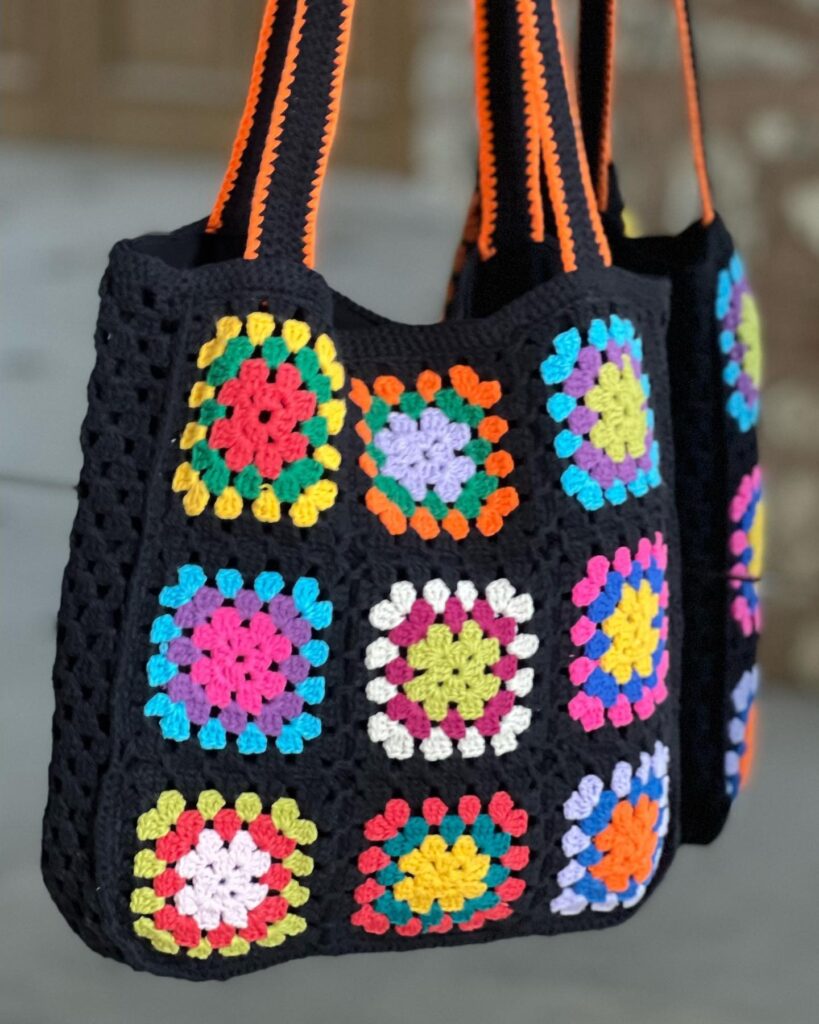
Organic bags provide numerous advantages, highlighting their importance in promoting sustainability and well-being.
Environmental Impact
Organic bags, made from materials like organic cotton, jute, and hemp, significantly reduce the environmental footprint associated with plastic. Traditional plastic bags contribute to pollution and landfill waste, while organic bags promote biodegradability and compostability.
According to the World Economic Forum, over 1 trillion plastic bags are used annually worldwide, leading to catastrophic environmental consequences. By choosing organic options, consumers actively contribute to a decrease in single-use plastics.
| Material Type | Environmental Benefit |
| Organic Cotton | Grown without pesticides; biodegradable |
| Jute | Rapidly renewable; low water usage |
| Hemp | Requires minimal chemicals; enhances soil health |
Health and Safety
Health and safety also play a crucial role in the benefits of organic bags. These bags, free from harmful chemicals, reduce health risks related to toxins traditionally found in conventional bags. They provide a safer option for carrying food and personal items, minimizing exposure to potentially harmful substances. As consumer awareness grows, many prefer organic bags, aligning with public interest in health and well-being.
Research indicates that organic cotton bags can last through multiple shopping trips, making them both durable and eco-friendly. By investing in these bags, consumers promote safety for themselves and the environment.
For more information about organic options and sustainable practices, visit Pecbag.
Key Players in the Organic Bag Manufacturing Industry
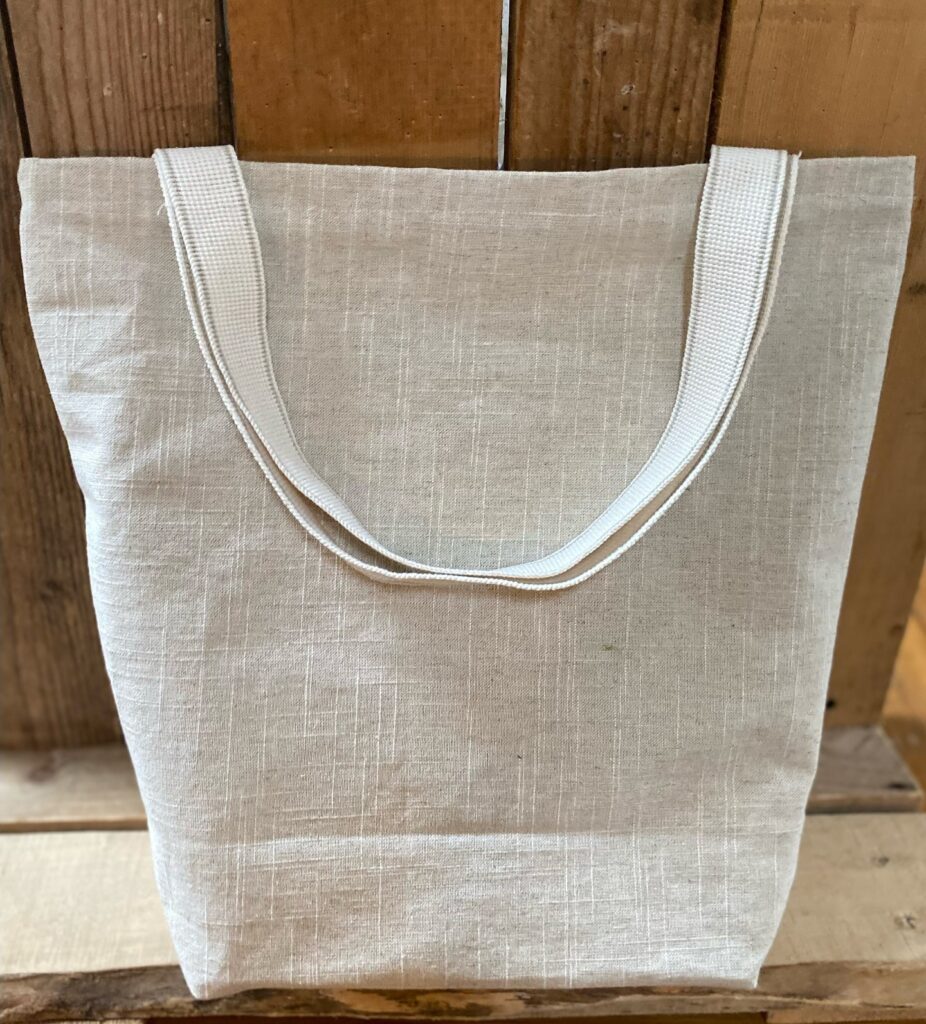
The organic bag manufacturing industry features several prominent players committed to sustainability and eco-friendly practices. These manufacturers incorporate innovative production techniques along with materials that reduce environmental impact, showcasing the positive shift towards greener consumer choices.
Leading Manufacturers
Several established manufacturers dominate the organic bag market, focusing on eco-friendly materials and sustainable production.
- Patagonia: Known for its commitment to environmental responsibility, Patagonia produces a variety of organic and sustainable bags, including tote bags and backpacks. They utilize materials such as organic cotton and recycled plastics to craft durable products.
- Reformation: This company emphasizes sustainable practices, producing eco-friendly bags made from materials like organic cotton and biodegradable plastics. Reformation exemplifies the blend of sustainability and fashion in today’s market.
- Baggu: Specializing in reusable bags from durable, eco-friendly materials like cotton and recycled plastics, Baggu aims to significantly reduce single-use plastic consumption. Their unique designs promote a practical approach to sustainable living.
Innovative Startups
The organic bag market also features innovative startups that bring fresh ideas and products to consumers focused on sustainability.
- Earth Bags: This startup designs stylish, reusable bags from 100% organic cotton, promoting environmental sensitivity through sustainable materials. Their attention to aesthetics and functionality attracts eco-conscious shoppers.
- Eco-Bags: Committed to reducing plastic use, Eco-Bags manufactures a range of organic cotton bags, including produce sacks and shopping tote bags. Their products exemplify versatility and eco-responsibility.
- Sustainable Threads: This company uses advanced textiles to create stylish organic bags, setting new standards in environmentally-friendly fashion. Their focus on creative designs caters to a younger, eco-aware demographic.
The growing presence of these key players fosters a competitive landscape that inspires continuous innovation in the organic bag manufacturing industry. To explore more about our offerings in this arena, visit Pecbag.
Materials Used in Organic Bag Production
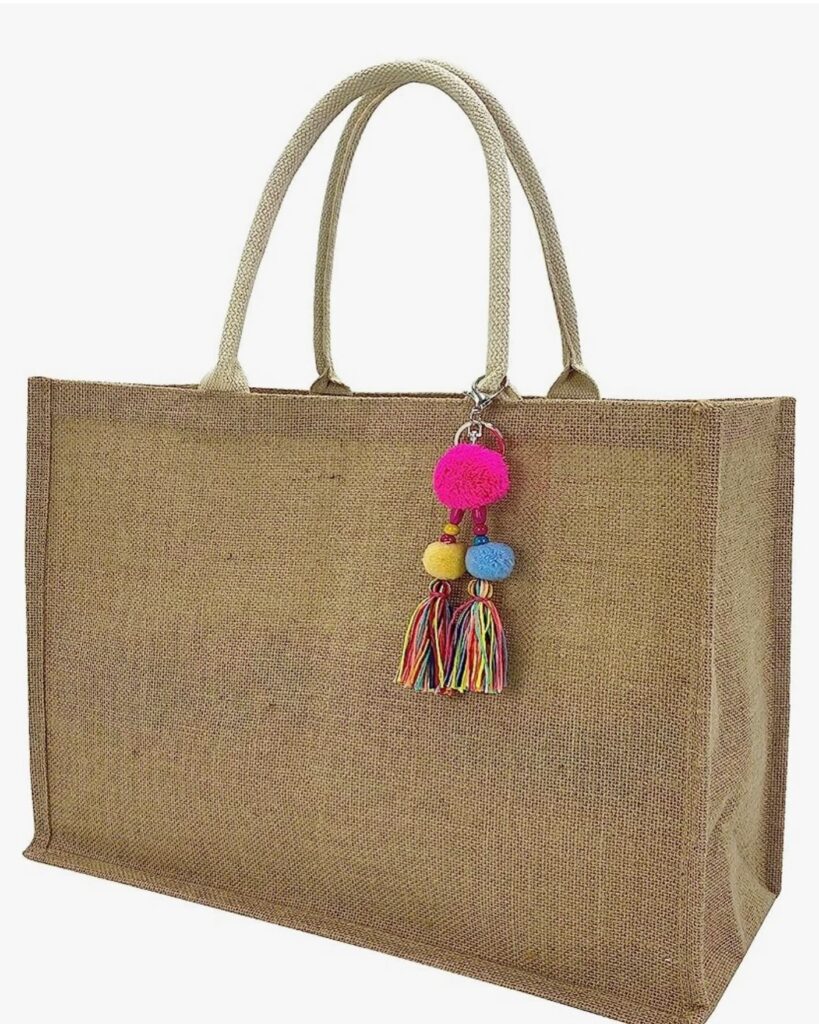
Materials play a crucial role in the production of organic bags, reflecting the industry’s commitment to sustainability and environmental consciousness. The focus revolves around biodegradable and reusable options that minimize ecological footprints.
Biodegradable Options
Organic cotton stands out as a leading biodegradable option for bags. Grown without synthetic chemicals or pesticides, organic cotton minimizes pollution and supports healthier ecosystems. Jute and hemp also serve as excellent biodegradable alternatives. Both require significantly less water and pesticides to cultivate.
| Material | Biodegradable | Benefits |
| Organic Cotton | Yes | Durable, eco-friendly, supports fair trade |
| Jute | Yes | Fast-growing, requires minimal resources |
| Hemp | Yes | Strong, versatile, grows quickly |
Each of these materials breaks down naturally over time, unlike their plastic counterparts, which can persist for centuries in landfills. These biodegradable bags contribute to a circular economy, promoting compostability and reducing landfill waste.
Reusable Materials
Reusable materials solidify the appeal of organic bags for eco-conscious consumers. Organic cotton bags shine for their durability and longevity, often lasting years with proper care. Recycled cotton, made from post-industrial scraps, emerges as another eco-friendly choice, reducing waste while delivering high-quality bags.
| Material | Reusability | Lifespan (years) |
| Organic Cotton | Yes | Up to 10 |
| Recycled Cotton | Yes | 5 to 7 |
| Jute | Yes | 3 to 5 |
The choice of these materials aligns with growing consumer values in sustainability and health. Using organic bags not only curtails single-use plastic but also advocates for responsible consumption. Each bag purchase enables a shift toward more sustainable practices.
For those intrigued by eco-friendly options, I encourage exploring our range of organic bags at Pecbag, designed to suit various needs while protecting the planet.
Trends Shaping the Organic Bag Market
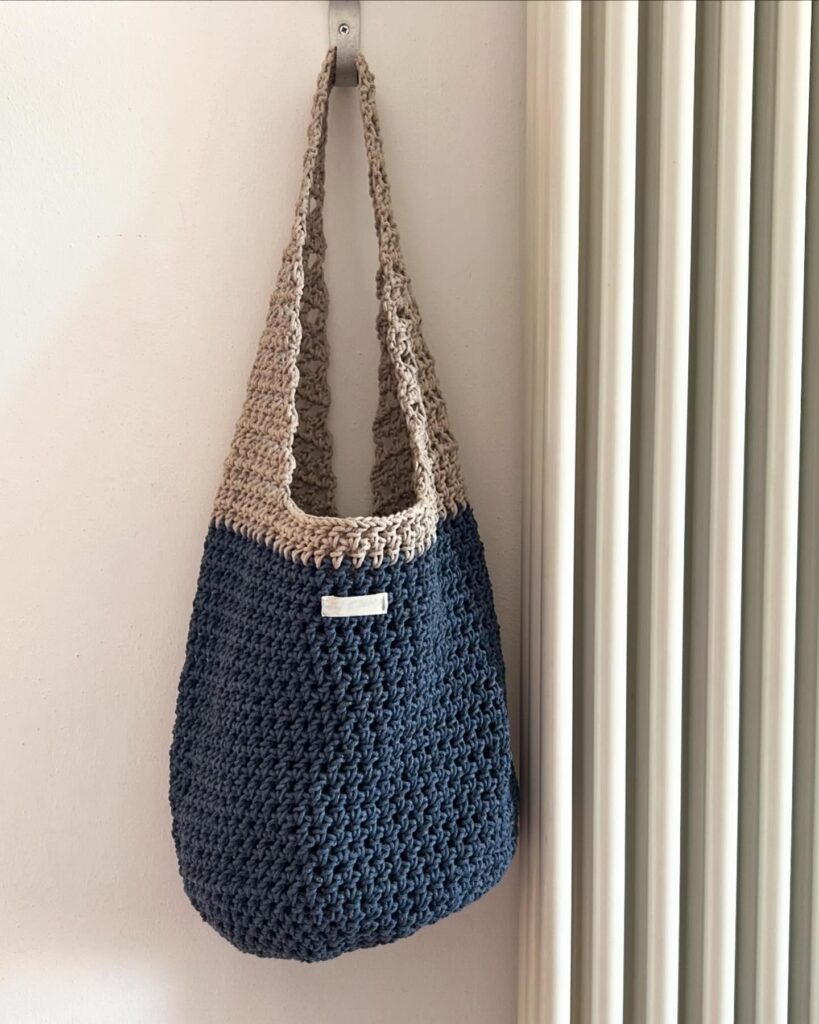
Consumer demand drives the organic bag market, with an increasing number of individuals opting for eco-friendly products. The motivations behind this shift encompass a desire for sustainability, convenience, and health.
Consumer Demand
Consumer preference for organic and sustainable options shapes market trends. Current trends show a rise in demand for eco-friendly packaging, particularly organic cotton produce bags. Notably, the desire to reduce plastic waste fuels this movement.
In fact, studies reveal that around 80% of consumers express a preference for brands that prioritize environmental responsibility. Also, the convenience of using bags for fresh produce enhances their appeal, streamlining shopping experiences.
For example, using pre-bagged fruits can be quicker and easier than sorting through bulk options. There’s also a growing concern about food safety, prompting many to choose organic bags that avoid harmful chemicals, thus aligning with healthier lifestyle choices.
| Trend | Description | Impact on Market |
| Preference for Eco-Friendly | Increased interest in sustainable options like organic bags | Growth in organic bag sales |
| Convenience | Bags facilitate easier shopping for produce | Shift to consumer-friendly retail practices |
| Health and Safety | Demand for chemical-free bags for food safety | Rise in sales of certified organic bags |
Sustainability Practices
Organic bag manufacturers focus on sustainable practices, aligning production methods with environmental standards. Many utilize materials like organic cotton, jute, and hemp, each offering biodegradable properties and supporting healthier ecosystems.
The adoption of certifications like GOTS (Global Organic Textile Standard) ensures compliance with stringent social and environmental criteria. Moreover, manufacturers are reducing water consumption and minimizing chemical use during production processes. This commitment not only resonates with environmentally conscious consumers but also fosters a culture of responsible consumption.
By creating bags that emphasize durability and functionality, these manufacturers redefine consumer behavior. The introduction of reusable and compostable options helps facilitate a circular economy, promoting longevity in usage while minimizing environmental impact.
For instance, organic cotton bags last longer than conventional plastic counterparts, thereby reducing waste over time.
For more insights on eco-friendly options, check out Pecbag, where sustainability harmonizes with stylish functionality.
Conclusion

Embracing organic bags is more than just a trend; it’s a step towards a sustainable lifestyle. I’m excited to see how organic bag manufacturers are leading the charge in reducing plastic waste while offering stylish and functional alternatives. The commitment to using eco-friendly materials and ethical production practices is reshaping our shopping habits for the better.
As I explore the diverse range of products available, I can’t help but appreciate the positive impact these bags have on our environment. By choosing organic options, I’m not only supporting responsible brands but also contributing to a healthier planet. Let’s continue to prioritize sustainability in our daily choices and inspire others to do the same.




 English
  Spanish
  German
  French
  Russian
  Portuguese
  Italian
  Polish
  Swedish
  Finnish
  Danish
  Greek
Greek