

Introduktion
Have you ever started a sewing project only to realize halfway through that you didn’t buy enough fabric? Or worse, ended up with too much leftover material that you didn’t know what to do with?
When it comes to making tote bags, determining the right amount of fabric is key. It helps you avoid waste, save money, and create a bag that’s just the right size and structure for your needs.
Whether you’re a DIY crafter or a business optimizing bulk purchases (Pecbag Product Hub), understanding fabric requirements ensures efficient production.
Tote bags come in all shapes and sizes. Some are small and simple, perfect for quick errands. Others are larger and more complex, with linings, pockets, or even reinforced handles.
This variety means that the amount of fabric you need will depend on several factors, like dimensions, design features, and the type of material you’re using.
In this guide, we’ll break down everything you need to know to calculate fabric yardage for tote bags. By synthesizing insights from 10 sources and practical examples, we’ll show you how to account for bag size, lining, and extra design features.
Whether you’re a crafter planning your next DIY project or a business looking to optimize bulk purchases, this guide will help you plan efficiently and reduce costs. Stick around to learn how to get it right, every time!
Understanding Fabric Measurements
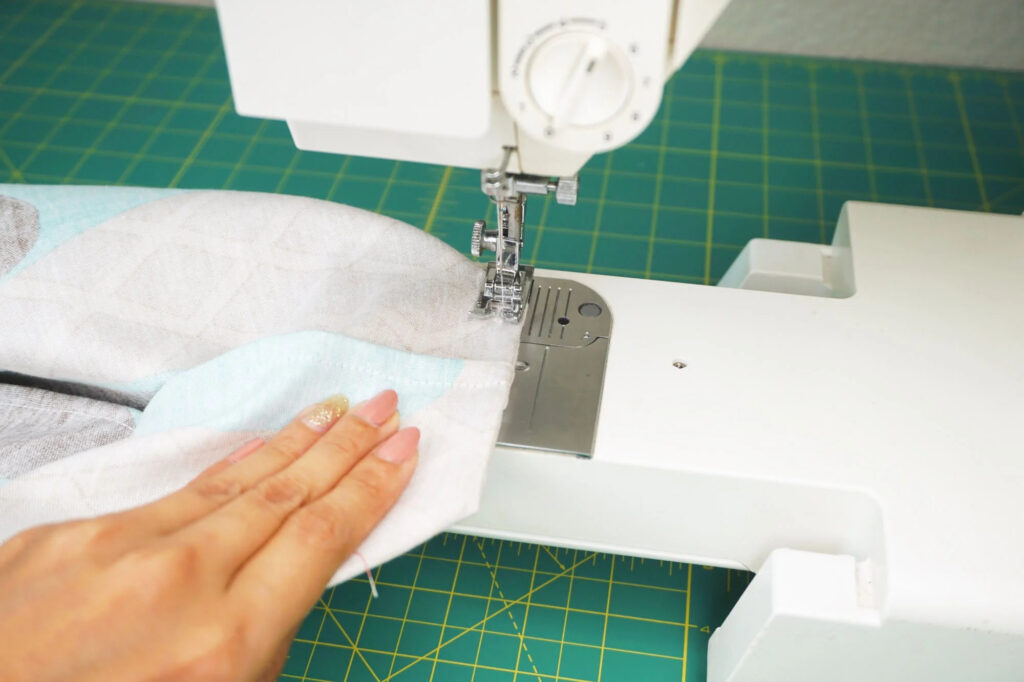
Before you dive into calculating fabric needs for a tote bag, it’s important to understand how fabric measurements work. Knowing the basics can save you time, money, and frustration during your project.
A. Basic Units and Conversions
- Yardage Basics: Fabric is typically sold by the yard, where 1 yard = 36 inches (or 91.44 cm). This is the standard unit you’ll encounter when shopping.
- Fabric Widths: Most fabrics come in standard widths, usually 44–45 inches (narrow width) eller 58–60 inches (wide width). The width of the fabric plays a big role in how much yardage you’ll need.
- For example, wider fabrics (60 inches) let you cut larger pieces without needing to sew multiple seams, reducing waste and saving time.
- Narrower fabrics might require extra yardage because you’ll need to piece together smaller sections.
B. Waste Allowance
When working with fabric, it’s always smart to plan for the unexpected:
- Cutting Errors: Even experienced crafters sometimes make mistakes when cutting, so adding 5–10% extra fabric is a good safety net.
- Pattern Matching: If you’re using printed fabric, especially with patterns like stripes or checks, you’ll need more fabric to align the design properly.
- Shrinkage: Natural fibers like cotton often shrink after washing, so buy extra fabric to account for this. Washing your fabric before cutting is an easy way to avoid surprises.
For bulk orders or mass production, consider a slightly higher allowance. Variations in cutting or fabric quality across large batches can add up fast. By planning, you’ll avoid running short and ensure a smoother production process.
Understanding these fundamentals will help you calculate accurately and waste less, whether you’re sewing one tote bag or a hundred.
Yardage by Tote Bag Size
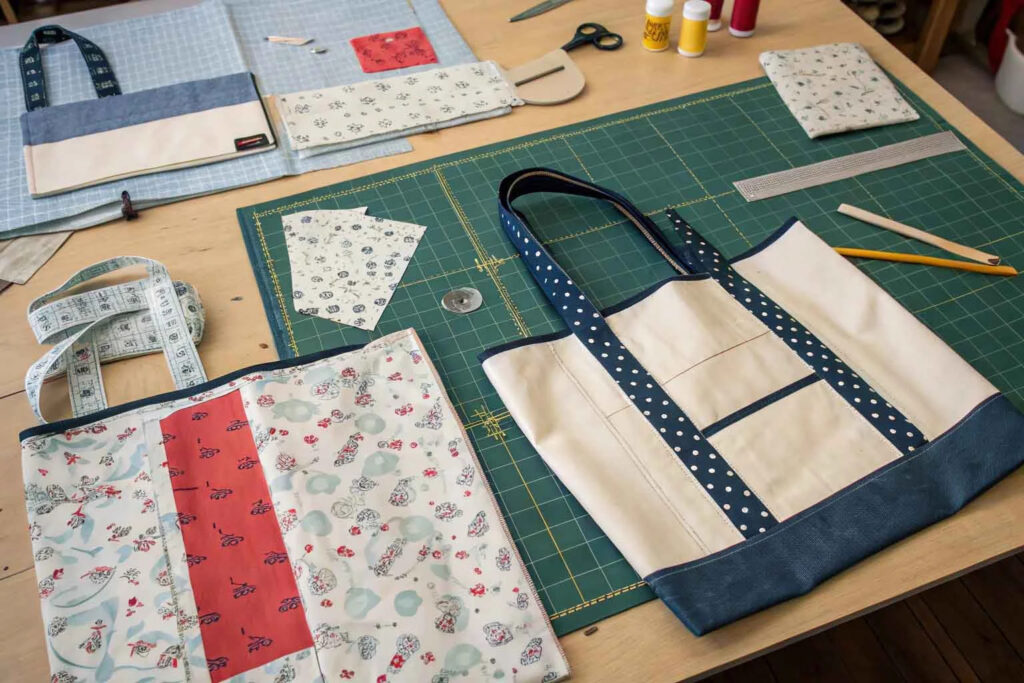
Choosing the right amount of fabric for your tote bag depends on its size and purpose. Whether you’re making a small everyday tote, a medium all-purpose bag, or a large heavy-duty tote, this guide will help you calculate yardage accurately.
A. Small Tote Bags (Everyday Use)
Ideal Dimensions: 10–12 inches (height) × 8–10 inches (width) × 3–4 inches (depth)
Fabric Requirements:
- Exterior:
- Narrow fabric (44 inches): ¼–⅓ yard
- Wide fabric (60 inches): ¼ yard
- Lining: Same as the exterior (¼–⅓ yard)
- Straps: Add ⅛ yard if you’re making straps from the same fabric.
Eksempler: Lunch totes, mini market bags, or cosmetic totes. Perfect for carrying small essentials like snacks, makeup, or a wallet.
B. Medium Tote Bags (Versatile Use)
Ideal Dimensions: 14–16 inches (height) × 12–14 inches (width) × 4–5 inches (depth)
Fabric Requirements:
- Exterior:
- Narrow fabric: ½ yard
- Wide fabric: ⅓–½ yard
- Lining:
- Narrow fabric: ½ yard
- Wide fabric: ⅓ yard
- Straps: ⅛–¼ yard, depending on the desired width (1–2 inches) and length (24–30 inches per strap).
Eksempler: Grocery totes, book bags, or casual day bags. These bags are great for carrying groceries, books, or everyday items with ease.
C. Large Tote Bags (Heavy-Duty Use)
Ideal Dimensions: 18–24 inches (height) × 15–20 inches (width) × 6–8 inches (depth)
Fabric Requirements:
- Exterior:
- Narrow fabric: ¾–1 yard
- Wide fabric: ½–¾ yard
- Lining: Same as the exterior (¾–1 yard for narrow fabric).
- Reinforcements: Add ¼ yard for interfacing
- Ideal for: Beach bags, utility totes, or heavy-duty backpacks (Producent af rygsæk) requiring structural integrity.
Eksempler: Beach bags, travel totes, or utility bags. These larger bags are designed for heavy loads, like beach essentials, travel gear, or tools.
Impact of Design Features

Adding unique design features to your tote bag can elevate its functionality and style. However, these additions also affect the amount of fabric required. Here’s a breakdown of how elements like linings, interfacing, pockets, and straps impact fabric yardage.
A. Lining and Interfacing
Lining:
- The yardage for lining is usually equal to the exterior fabric. For instance, if your tote bag requires ½ yard for the exterior, you’ll need ½ yard for the lining as well.
- Use lightweight fabrics like cotton or polyester for the lining to avoid adding unnecessary bulk. This is especially important for smaller or medium-sized bags.
Interfacing (Structural Support):
- Interfacing helps give your tote bag structure and durability, especially for handles, bottoms, or the overall shape.
- You’ll typically need ¼–⅓ yard of interfacing, depending on the tote size.
- Vælg fusible interfacing for an easy application or sew-in interfacing for more flexibility with heavier materials.
B. Pockets, Straps, and Embellishments
Lommer:
- Adding pockets requires extra fabric, but the amount will vary based on their size and number:
- 1–2 small pockets: Add ⅛ yard.
- Large exterior pockets: Add ¼ yard.
- Pockets are a great way to add functionality, whether for holding phones, keys, or other small essentials.
Straps:
- The length and style of your tote’s straps impact the yardage:
- Short handles (12–18 inches): Require ⅛ yard.
- Long crossbody straps (36–48 inches): Require ¼ yard.
- For durability, consider reinforcing the straps with interfacing or using webbing instead of fabric.
Decorative Elements:
- Features like ruffles, piping, or appliqués add personality to your tote but also require extra fabric:
- Plan for ⅛–¼ yard depending on the complexity of the design.
- For custom branding, such as embroidered logos or printed designs, factor in additional material or space on the fabric for these embellishments.
Fabric Type Considerations
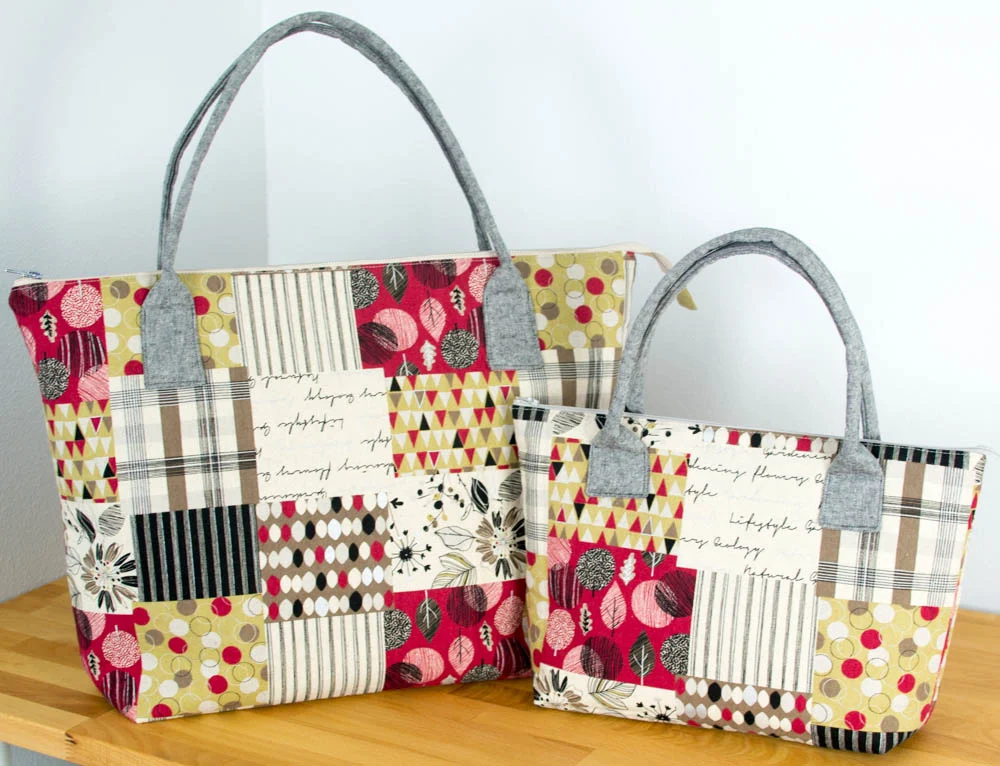
The type of fabric you choose plays a major role in determining how much yardage you’ll need and how your tote bag will turn out. Factors like fabric thickness, drape, and whether the fabric is printed or solid can all impact your calculations. Hvor mange meter stof skal jeg bruge til en tote bag?
A. Thickness and Drape
Heavyweight Fabrics (Canvas, Denim):
- These fabrics are ideal for tote bags that need to be sturdy and hold their shape, such as utility or travel totes.
- Since heavyweight fabrics naturally provide structure, you may need less yardage for interfacing or reinforcements. However, cutting wider pieces is recommended to avoid bulky seams.
- Example: A large tote made from canvas may not require additional interfacing, saving both fabric and labor time.
- Ideal for structured utility bags. When using technical materials like waterproof tarpaulin, consult specialized manufacturers for fabric handling expertise to minimize cutting waste.
Lightweight Fabrics (Cotton, Linen):
- Lightweight fabrics are softer and more flexible, making them great for smaller or decorative totes.
- These fabrics often need lining to prevent stretching or sagging, which means extra yardage for the lining material.
- To enhance durability, consider adding interfacing, especially for straps or the bottom of the bag.
B. Printed vs. Solid Fabrics
Printed Fabrics:
- Printed fabrics, especially those with bold patterns like stripes, florals, or geometric motifs, require careful pattern matching.
- This process ensures that the design aligns properly across seams, but it increases fabric waste. Plan for 5–10% extra yardage to accommodate this.
- Example: For a medium tote bag (½ yard exterior), you might need an extra ⅛ yard for pattern alignment if you’re using a striped or checked fabric.
Solid Fabrics:
- Solid fabrics are simpler to work with because there’s no need for pattern matching. The yardage needed is the same as your basic calculations.
- Solid fabrics are also more cost-effective and versatile for bulk orders, as they can be adapted to various designs without worrying about alignment.
For bulk orders with custom prints, leverage backpack manufacturer services that offer pattern-matching technology and digital cutting precision, reducing alignment waste by 15-20%.
Sample Calculations for Common Totes
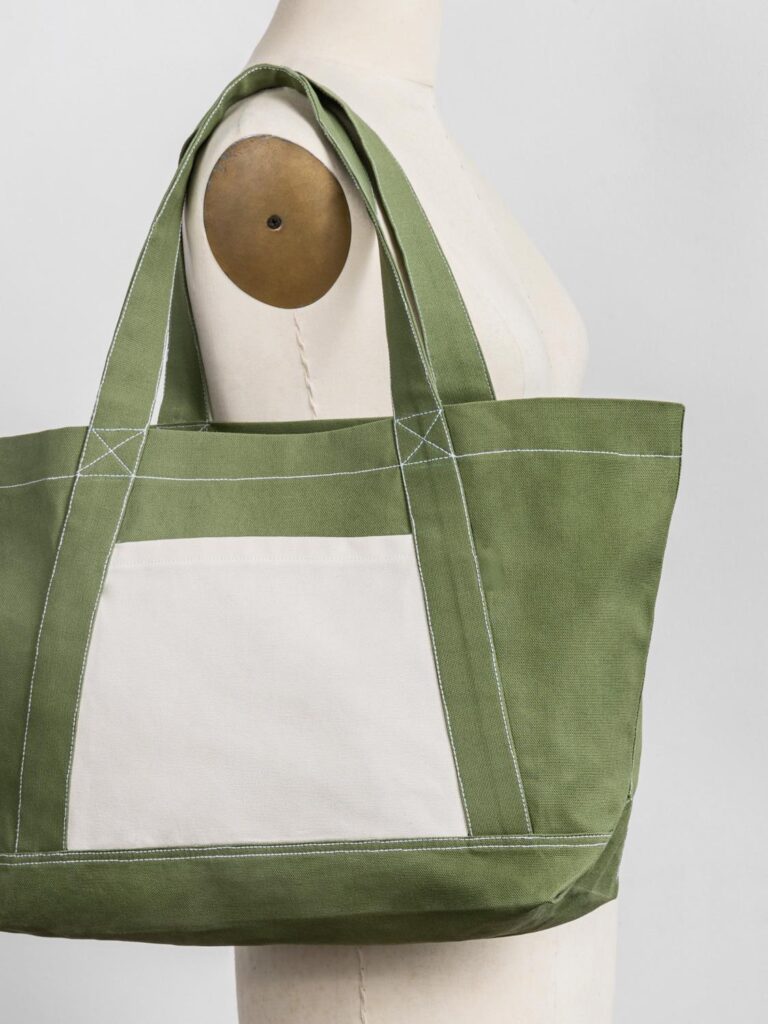
Choosing the right amount of fabric doesn’t have to be complicated. Here are two practical examples to help you understand how to calculate fabric requirements for different tote bag styles.
These calculations minimize waste and optimize material use, whether you’re sewing at home or planning bulk production.
A. 1-Yard Tote (Medium, Lined)
This tote is perfect for beginners and offers a great balance of size and functionality.
- Dimensioner: Medium (14 × 12 × 4 inches)
- Fabric Requirements:
- Exterior: ½ yard (60-inch wide fabric)
- Lining: ½ yard (same width as the exterior)
- Straps + 1 Pocket: ⅛ yard
- Total Yardage: 1 yard
This tote is an efficient project with minimal waste, making it ideal for beginner-friendly patterns. The lining adds durability and a professional finish, while the extra fabric for straps and a pocket ensures functionality.
B. Large Heavy-Duty Tote (Unlined)
This large tote is built for strength and utility, perfect for groceries, tools, or travel.
- Dimensioner: Large (20 × 16 × 6 inches)
- Fabric Requirements:
- Exterior (Canvas): ¾ yard (45-inch wide fabric)
- Straps + Reinforced Bottom: ¼ yard
- Total Yardage: 1 yard
This design skips the lining, making it a quick and cost-effective option for heavy-duty use. Canvas or denim works perfectly for this style, as the sturdy material doesn’t require additional reinforcement.
Tips for Bulk Purchasers
For businesses or bulk orders, these calculations can easily be adapted to fit standard fabric rolls:
- Brug 60-inch wide fabrics whenever possible to reduce cutting complexity and waste.
- Standardize dimensions across batches to simplify production and ensure consistent results.
- For unlined totes, consider using thicker fabrics like canvas or denim to maintain durability without additional layers.
By planning with these sample calculations, you can create tote bags that are efficient, functional, and tailored to your specific needs!
Tips for Efficient Fabric Use

Efficient fabric use is essential for saving money, reducing waste, and getting the most out of your material. Whether you’re crafting a single tote or managing mass production, these tips can help you make the most of every yard.
A. Pattern Planning
Proper planning before cutting is the key to maximizing fabric usage:
- Lay Out Pattern Pieces: Arrange all your pattern pieces on the fabric before making a single cut. This lets you visualize the best use of space. For example:
- Place straps along the fabric’s edge where long, straight cuts are easiest.
- Nest smaller pieces (like pockets) within the cutouts of larger ones to minimize gaps.
- Use Wide Fabric (60 Inches): For large totes, wide fabric reduces the number of seams needed and cuts down on overall yardage. This is especially helpful for heavy-duty bags where fewer seams mean greater strength.
B. Minimizing Waste
Even small changes in your approach can significantly reduce fabric waste:
- Repurpose Scraps: Don’t toss leftover pieces! Use scraps to make small accessories like keychain loops, zipper pulls, or extra pockets.
- 1-Yard Tote Patterns: Opt for sewing patterns specifically designed for 1-yard cuts. These patterns are simple, efficient, and leave little to no fabric waste.
- Mass Production Solutions:
- For businesses, investing in digital cutting technology is a game-changer. These machines optimize cutting layouts to ensure maximum fabric utilization, reducing waste and improving consistency.
- Standardizing tote dimensions across production batches also simplifies cutting and reduces leftover material.
Hvorfor samarbejde med Pecbag om OEM/ODM tilpassede bæltetasker og poser?
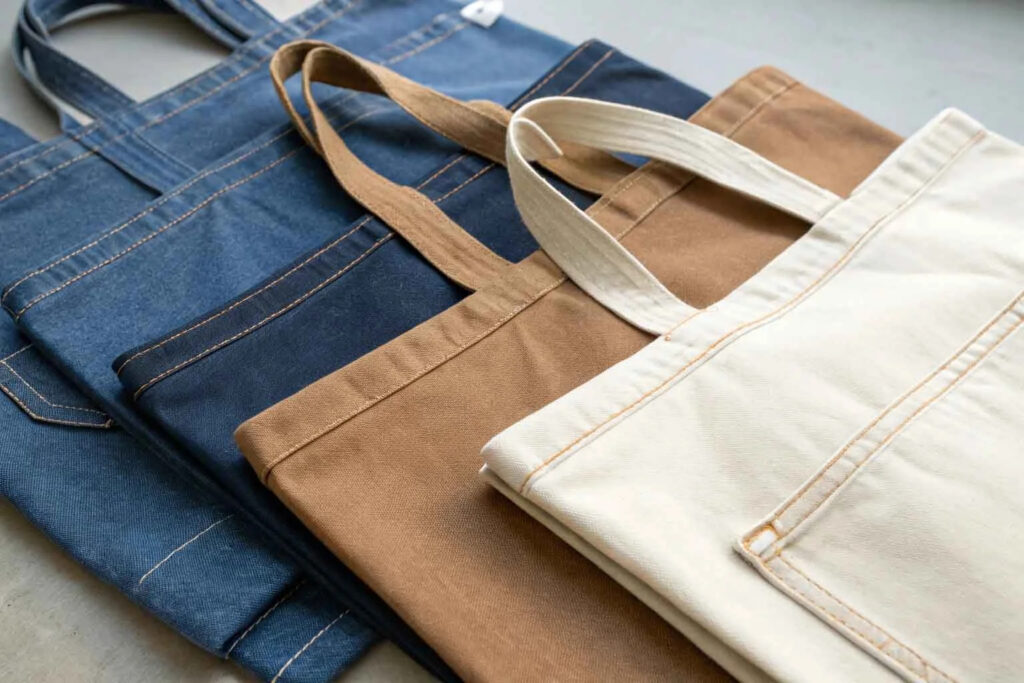
When it comes to bulk orders and custom bag production, Pecbag is your ultimate partner. Here’s why we stand out in the industry:
Expertise in Fabric Utilization
Our extensive experience in fabric utilization ensures that every yard of material is used efficiently. This minimizes waste while maximizing cost savings, making us the ideal choice for large-scale projects.
Whether you’re ordering tote bags, belt bags, or pouches, we prioritize precision to keep costs under control.
Customizable Options to Meet Client Needs
At Pecbag, customization is key. We offer a wide range of options tailored to your brand’s needs, including unique designs, materials, and features for tote bags, belt bags, and pouches.
From bold logos to intricate patterns, we ensure your products align perfectly with your vision.
Advanced Manufacturing Capabilities
Our state-of-the-art manufacturing facilities include digital cutting technology og pattern matching capabilities.
This ensures reduced errors, consistent quality, and a flawless finish for every product. Whether it’s aligning printed patterns or cutting intricate shapes, our advanced tools ensure top-notch results.
Miljøvenlig praksis
Sustainability matters more than ever, and we’re committed to eco-friendly practices:
- Repurposing Scraps: Excess fabric is reused for smaller accessories or reinforcements, reducing waste.
- Sustainable Fabrics: We work with eco-conscious materials, helping your brand align with modern consumer values while promoting environmental responsibility.
Dedicated OEM/ODM Support Team
Our dedicated OEM/ODM team ensures smooth communication and efficient project management. From initial design discussions to final delivery, we work closely with you to meet deadlines and exceed expectations—no matter the size of the order.
By partnering with Pecbag, you gain access to expert fabric management, cutting-edge manufacturing, and sustainable production practices.
Let us help you bring your custom bag designs to life with precision, quality, and care. Reach out today to start your next project!
Why Partner with Pecbag for Custom Production?
Pecbag excels in bulk fabric optimization:
- Material Efficiency: Vores OEM-tjenester implement zero-waste cutting layouts for totes, pouches, and technical bags, leveraging 12+ years of textile optimization.
- Technical Fabric Expertise: From waterproof coatings to reinforced interfacing, our specialister i vandtæthed advise on ideal material pairings for durability.
- Custom Reinforcements: Need structured bottoms or strap reinforcements? Our backpack engineers develop load-tested solutions for heavy-duty applications.
- Eco-Conscious Production: We repurpose 95% of fabric scraps into smaller accessories, aligning with sustainable branding goals.
Konklusion

A. De vigtigste pointer
- Fabric Yardage: The amount of fabric needed depends on the tote bag’s size and features. Yardage ranges from ¼ yard for a small, unlined tote to 1.5 yards for a large, lined tote with pockets and long straps.
- Important Considerations: Always factor in fabric width, lining, and design features. For safety, add 5–10% extra fabric to account for cutting errors, pattern matching, or shrinkage.
B. Endelige anbefalinger
- For Beginners: Start with a 1-yard pattern for a medium, lined tote bag. This simplifies calculations and avoids waste while creating a functional, stylish bag.
- For Custom Sizes: Measure your desired bag dimensions, sketch out the pattern pieces, and calculate the total area needed. Add an extra 10% for waste to ensure you have enough fabric for adjustments.
- For storkøbere: Efficient fabric planning is critical. Use wide fabrics, optimize layouts, and consider digital cutting technology to minimize costs and material waste.
By following these guidelines, both individual crafters and businesses can accurately estimate fabric needs for tote bag projects.
With careful planning, you’ll avoid excess material, reduce costs, and create beautiful, functional bags. Whether you’re sewing one or producing hundreds, success starts with the right yardage!
Accurate fabric calculation prevents waste and ensures functional designs. For commercial projects:
- Small Businesses: Start with 1-yard customizable totes for cost-effective sampling.
- Large Orders: Partner with industrial bag manufacturers for digital pattern optimization and bulk material sourcing.
- Specialized Needs: Waterproof or technical fabric requirements? Consult our factory expertise for performance-grade solutions.
Precision planning + manufacturing expertise = waste reduction + profit optimization. Let’s engineer your perfect tote solution.

 English
  Spanish
  German
  French
  Russian
  Portuguese
  Italian
  Polish
  Swedish
  Finnish
  Danish
  Greek
Greek