

Johdanto
PVC (Polyvinyl Chloride) has become a game-changer in the world of bag production. Known for its durability, versatility, and affordability, it’s the go-to material for manufacturers like Pecbag, creating everything from backpacks to crossbody bags
Whether you’re a brand owner, wholesaler, or online seller, understanding PVC’s role in modern bag design could help you make smarter purchasing decisions.
Miksi irtotavaran ostajien pitäisi välittää
If you’re buying bags in bulk, you already know how important it is to balance cost, quality, and functionality. PVC stands out because it’s not just cost-effective—it also offers weather resistance, design flexibility, and a long lifespan. PVC-kangas laukkuja varten
But there’s more to PVC than meets the eye. From manufacturing processes to environmental factors, understanding the ins and outs of PVC can give you a competitive edge.
Stay with us as we explore everything you need to know about this essential material!
PVC Fabric: Chemical Makeup and Properties
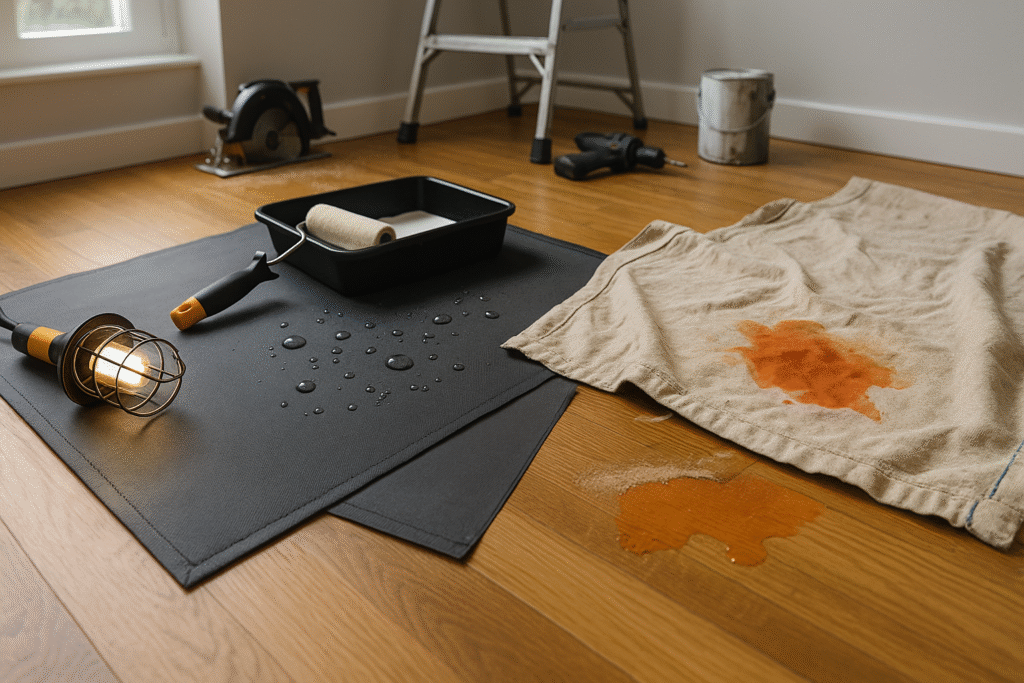
To understand why PVC fabric is such a popular choice in bag production, let’s start with its chemical foundation. PVC’s unique composition gives it the strength, flexibility, and versatility needed for various bag designs, from rugged backpacks to stylish totes.
A. Molecular Structure and Composition
Polyvinyl Chloride Basics
PVC is a polymer of vinyl chloride monomer (VCM). To make it more flexible, manufacturers add plasticizers, like phthalates, which soften the material and make it suitable for a wide range of applications.
Key Physical Properties:
- Tensile Strength: Typically 5–10 MPa, depending on the formulation. This ensures durability under stress.
- Density: 1.3–1.4 g/cm³, making it heavier than many fabrics but great for structured bags.
- Temperature Resistance: PVC can withstand temperatures from -15°C to 60°C in standard grades, making it suitable for most climates.
These properties make PVC a reliable and long-lasting material, ideal for heavy-duty use in bags like duffle bags or messenger bags.
B. Grades and Formulations
Not all PVC is created equal. Depending on the application, PVC is formulated in different grades to meet specific needs.
1. Rigid vs. Flexible PVC
- Rigid PVC: Contains no plasticizers. It’s used in structured bags like box clutches or hard-shell cases where stiffness is required.
- Flexible PVC: Contains 30–50% plasticizers, making it soft and pliable. This is perfect for backpacks, totes, and crossbody bags that need to bend and move with ease.
2. Specialized Formulations
- Flame-Retardant PVC: With a UL94 V-0 rating, it’s used for safety-focused bags, such as those for industrial workers.
- Food-Grade PVC: Made phthalate-free, it’s a safe option for lunch bags and other food storage applications.
- Anti-Microbial PVC: Contains additives to resist bacteria and mold, ideal for medical totes or gym bags.
These formulations illustrate PVC’s adaptability to different industries and customer needs, making it a favorite for brands and bulk buyers alike.
Manufacturing Processes for Bag Production
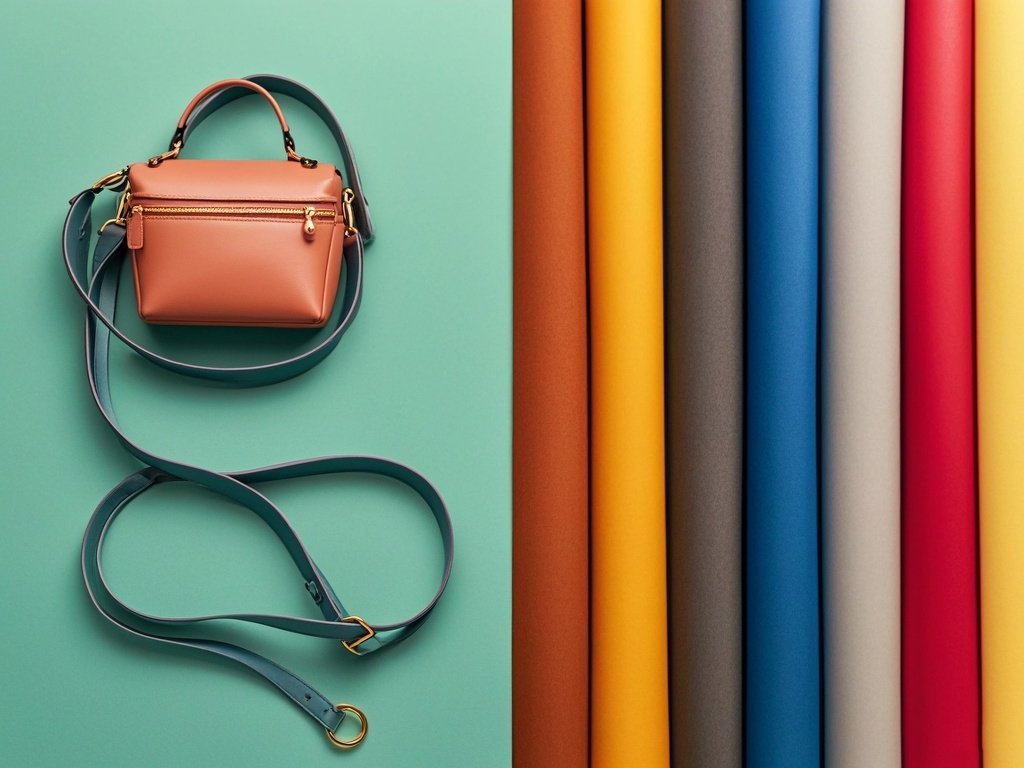
The journey from raw PVC to a finished bag involves multiple precise manufacturing steps. Each process contributes to the quality, durability, and aesthetics of the final product. Let’s break down the key stages in bag production with PVC fabric.
A. Extrusion and Calendering
Extrusion Coating
In this process, molten PVC is extruded onto fabric substrates like nailon tai polyesteri, creating laminated sheets. This technique is popular for making waterproof and durable bags, such as duffle bags tai messenger laukut.
- Why It’s Great: The resulting material is tear-resistant and retains the flexibility needed for bag manufacturing.
Calendering Process
PVC resin is heated and rolled into thin films using high-pressure rollers. These films can then be embossed with intricate patterns, such as crocodile skin, to create stylish textures.
- Where It’s Used: Calendered PVC is often seen in fashion-forward bags like clutches or crossbody bags where design is key.
B. Lamination Techniques
Dry Lamination
This method uses solvent-based adhesives to bond PVC to fabric substrates. It results in highly durable materials, making it ideal for heavy-duty backpacks tai matkalaukut.
- Drawback: While it’s strong, the use of solvents raises eco-concerns due to their potential environmental impact.
Wet Lamination
In contrast, wet lamination uses water-based adhesives, which are more eco-friendly. This technique is particularly useful for creating breathable bags, such as lightweight totes or gym bags.
- Miksi sillä on merkitystä: Wet lamination offers a sustainable alternative without sacrificing strength.
C. Post-Processing Treatments
Embossing and Printing
Post-processing adds the finishing touches that make PVC bags stand out.
- Embossing: Creates textures like leather or animal patterns using thermal embossing techniques.
- Gravure Printing: Produces vivid designs and patterns, perfect for trendy, custom bags.
Surface Coatings
To improve the durability of PVC bags, manufacturers apply specialized coatings:
- Anti-Scratch Coatings: Protect the bag from scuffs and scratches, maintaining its polished look.
- UV Stabilizers: Prevent yellowing and fading, ensuring the bag stays vibrant even after prolonged outdoor use.
Types of PVC Fabrics for Bags
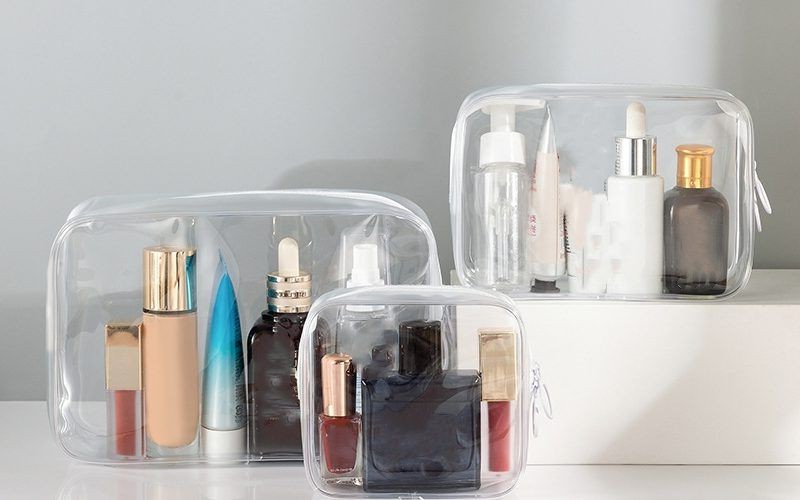
PVC fabrics come in a variety of weights, thicknesses, and surface finishes, making them adaptable for different bag styles and purposes. Choosing the right type of PVC fabric is key to creating bags that meet the needs of both your design vision and your customers.
A. By Weight and Thickness
The thickness of PVC fabric directly impacts its durability, flexibility, and intended use. Here’s a quick breakdown:
1. Lightweight PVC (0.1–0.3mm)
- Sovellukset: Used in kosmetiikkalaukut, small clutches, and accessories that require a sleek, lightweight design.
- Why It Works: Thin and flexible, perfect for items that don’t need to endure heavy loads or rough handling.
2. Medium-Duty PVC (0.3–0.6mm)
- Sovellukset: Commonly used for kangaskassit, beach bagsja travel pouches.
- Why It Works: Offers a balance of flexibility and durability, making it suitable for everyday use.
3. Heavy-Duty PVC (0.6–1.2mm)
- Sovellukset: Found in industrial bags, coolersja luggage that require extra strength.
- Why It Works: Thick and rugged, it can handle high stress, heavy loads, and extreme conditions.
B. By Surface Finish
The surface finish of PVC fabric adds another layer of functionality and style to bag design.
1. Clear PVC
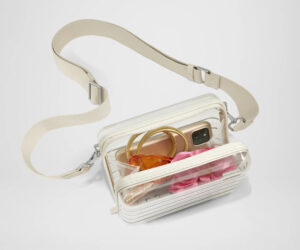
- Sovellukset: Perfect for transparent bags, such as stadium-compliant totes tai cosmetic organizers.
- Why It’s Popular: Lightweight, waterproof, and trendy, clear PVC adds a modern, see-through aesthetic while keeping contents visible.
2. Matte vs. Glossy
- Matte Finish:
- Sovellukset: Ideal for luksuslaukut or minimalist designs.
- Why It’s Used: Offers a soft, sophisticated look that appeals to premium customers.
- Glossy Finish:
- Sovellukset: Perfect for statement pieces like high-shine backpacks or bold totes.
- Why It’s Used: Reflects light beautifully, creating an eye-catching, vibrant effect.
3. Textured PVC
- Sovellukset: Often used in fashion bags, wallets, or clutches to mimic premium materials like snakeskin tai nahka.
- Why It’s Popular: Embossed patterns add a luxury feel while maintaining the affordability and durability of PVC.
Applications in Bag Design
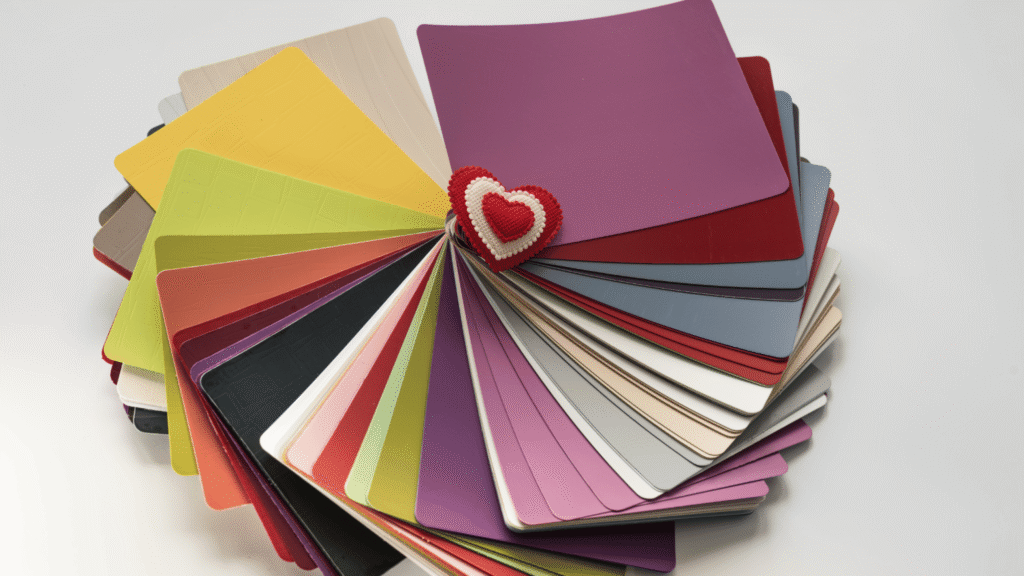
PVC’s versatility makes it a staple material across various bag categories, offering a balance of durability, style, and functionality. Let’s dive into its use in different types of bag designs, from luxury fashion to industrial applications.
A. Fashion and Luxury Bags
PVC has made its mark in high-end fashion ja streetwear by combining aesthetic appeal with practicality.
1. High-End Examples
Luxury brands are embracing PVC for its unique ability to offer sleek designs while remaining functional.
- Louis Vuitton Monogram PVC Bags: A blend of iconic branding ja modern material, these bags are durable, waterproof, and stylish.
- Bottega Veneta Clear PVC Totes: Transparent designs that highlight minimalism while offering a high-fashion edge.
2. Streetwear
PVC is a favorite in urban fashion, thanks to its weather-resistant and edgy appeal.
- Oversized PVC Backpacks: Perfect for commuters, offering both volume ja modern aesthetic.
- Waterproof Sling Bags: Compact, versatile, and ideal for urban explorers who need to stay organized on the go.
B. Functional and Outdoor Bags
PVC’s weather resistance and durability make it ideal for travel ja outdoor adventures, where functionality matters most.
1. Travel Bags
- PVC-Coated Rolling Suitcases: Built for durability by specialized reppujen valmistajat, offering scratch resistance and waterproof protection during travel.
- Compression Packing Cubes: Lightweight and flexible, PVC-coated cubes help travelers save space while keeping their belongings dry and organized.
2. Sports and Outdoor Gear
- Kayak Dry Bags: Essential for water sports, these heavy-duty PVC solutions exemplify expertise from leading vedenpitävä laukku tehtaat, ensuring contents stay dry.
- Hiking Backpacks with PVC Rain Covers: Designed to withstand unpredictable weather, these are a must-have for outdoor enthusiasts.
C. Industrial and Commercial Use
Beyond fashion and outdoor gear, PVC is widely used in industrial and commercial settings, where durability and functionality are critical.
1. Pallet Covers and Shipping Bags
- Made with heavy-duty PVC (1mm+ thickness), these bags protect goods during transportation and storage.
- Why PVC? It’s tough, waterproof, and resistant to tears, making it ideal for bulk shipping needs.
2. Medical Instrument Bags
- Anti-microbial PVC is used for medical totes ja instrument bags that require easy sanitization.
- Key Benefit: PVC’s smooth, non-porous surface prevents bacteria buildup, ensuring a hygienic solution for healthcare environments.
PVC vs. Alternative Materials
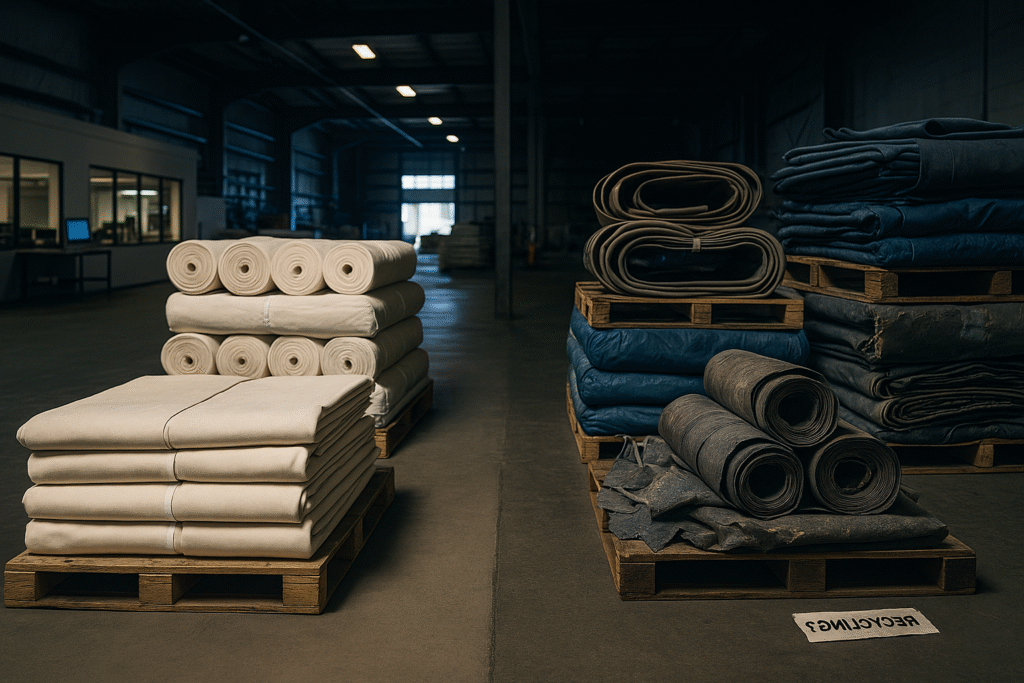
When choosing materials for bag production, it’s crucial to weigh their waterproofness, durability, cost, and eco-friendliness. PVC is a standout choice in many cases, but how does it compare to other materials? Let’s break it down.
A. Comparative Analysis
Here’s a side-by-side comparison of PVC and alternative materials commonly used in bag production:
| Materiaali | Waterproofness | Kestävyys | Cost | Ympäristöystävällisyys |
| PVC | Erinomainen | Korkea | Low-Medium | Poor |
| TPU | Erinomainen | Medium | Medium-High | Better |
| EVA | Good | Matala | Matala | Good |
| Nahka | Poor | Korkea | Korkea | Poor |
Key Takeaways:
- PVC is unbeatable for waterproofness ja kohtuuhintaisuus, making it ideal for bulk production.
- TPU (termoplastinen polyuretaani) offers similar waterproof qualities but is more eco-friendly, though it comes at a higher cost.
- EVA (Ethylene Vinyl Acetate) is lightweight and eco-friendlier but lacks durability, limiting its use in heavy-duty bags.
- Nahka, while luxurious and durable, performs poorly in wet conditions and is neither economical nor environmentally friendly.
For bulk buyers and eco-conscious brands, understanding this comparison is essential for selecting the right material for your target audience and application.
B. Hybrid Materials
To balance performance, cost, and sustainability, many manufacturers are turning to hybrid materials that combine PVC with eco-friendly options or exploring PVC-free alternatives.
1. PVC + Recycled Polyester
- Esimerkki: Patagonia’s Black Hole Bags use PVC-coated recycled polyester laminates, offering durability while reducing waste.
- Why It Works: The recycled polyester core reduces reliance on virgin materials, while the PVC coating ensures waterproofness and strength.
2. PVC-Free Alternatives
- PU-Coated Fabrics: Polyurethane-coated fabrics are PVC-free, offering excellent waterproofness and a more eco-friendly profile.
- Thermoplastic Olefin (TPO): A newer alternative that’s lightweight, recyclable, and increasingly popular in outdoor gear.
Environmental Impact and Regulations
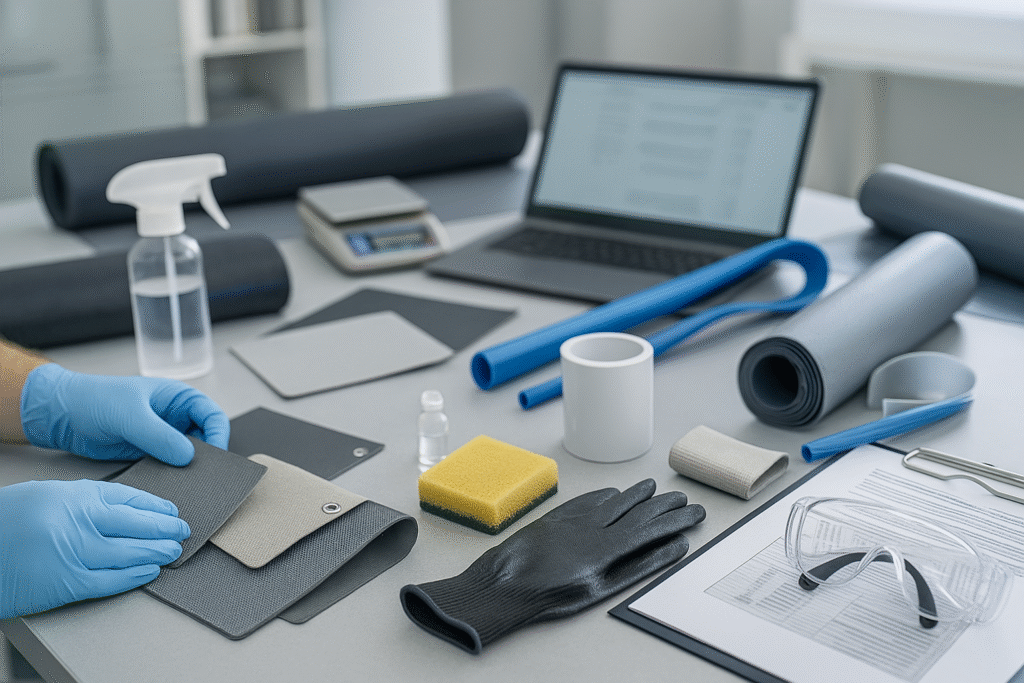
PVC’s widespread use in bag production comes with environmental and regulatory challenges. From toxicity concerns to sustainability innovations, understanding these issues is critical for bulk buyers looking to make responsible choices.
A. Controversies Surrounding PVC
While PVC is valued for its durability and affordability, it has also faced criticism due to its environmental and health impacts.
1. Toxicity Concerns
- Phthalate Plasticizers: Many PVC formulations use phthalates to improve flexibility, but these chemicals are linked to health risks, including hormonal disruptions.
- Heavy Metals: Some PVC products contain additives like lead or cadmium, which can pose safety concerns if not properly regulated.
2. Waste and Pollution
- Non-Biodegradable: PVC takes hundreds of years to decompose, contributing to long-term landfill waste.
- Incineration Risks: Burning PVC releases dioxins, highly toxic compounds that harm both humans and the environment.
These issues highlight the importance of choosing phthalate-free ja recycled PVC options wherever possible.
B. Regulatory Landscape
To address these concerns, global regulations have been put in place to ensure safer and more sustainable PVC production:
1. EU REACH (Registration, Evaluation, Authorization, and Restriction of Chemicals)
- Focuses on reducing the use of hazardous chemicals, including phthalates and heavy metals, in PVC products.
- Requires manufacturers to provide chemical safety data to ensure compliance.
2. California Proposition 65
- Mandates the labeling of products containing chemicals known to cause cancer or reproductive harm, including certain PVC additives.
- Encourages manufacturers to adopt safer formulations.
3. Global Recycling Standards
- Many countries now promote PVC recycling initiatives to reduce landfill waste.
- Certifications like Global Recycled Standard (GRS) encourage the use of recycled PVC in consumer goods.
For bulk buyers, it’s critical to ensure suppliers meet these regulatory standards to avoid legal and reputational risks.
C. Sustainable Innovations
Despite its environmental challenges, the PVC industry is evolving with sustainable solutions that reduce its ecological footprint.
1. Biobased PVC
- Made from renewable resources like bioethanol, biobased PVC reduces dependency on fossil fuels.
- While still in its early stages, this innovation holds promise for eco-conscious bag production.
2. Recycled PVC (rPVC)
- rPVC integrates post-consumer and industrial PVC waste into new products.
- Esimerkki: Herschel Supply Co. uses recycled PVC in its bags, combining sustainability with style and durability.
What Bulk Buyers Should Consider
For businesses sourcing PVC bags in large quantities, here’s how to align with environmental standards:
- Ensure Compliance: Work with suppliers who meet regulations like EU REACH ja California Proposition 65.
- Opt for Sustainable Options: Valitse rPVC, phthalate-free formulations, or explore biobased PVC for a greener product line.
- Communicate Your Efforts: Highlight sustainable materials and compliance certifications to appeal to eco-conscious customers.
By balancing cost considerations kanssa sustainability efforts, you can make smarter, more responsible decisions in PVC bag production.
Maintenance and Care
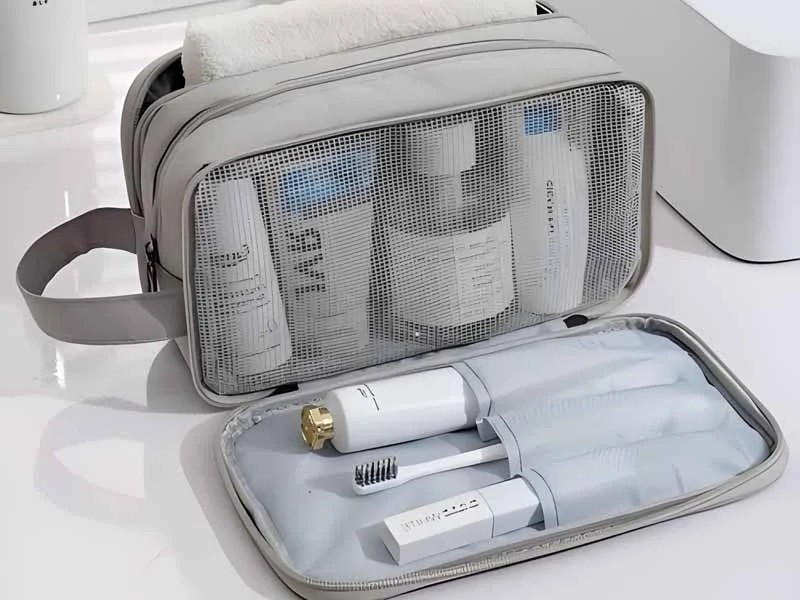
PVC bags are known for their durability and low-maintenance requirements, but proper care can help extend their lifespan and keep them looking great. Here’s how to clean and maintain your PVC bags effectively.
A. Cleaning Techniques
PVC is a waterproof and stain-resistant material, which makes cleaning relatively simple. However, using the wrong methods can damage its surface.
1. Basic Cleaning
- What to Use: A soft cloth or sponge with mild soap and water.
- How to Clean: Gently wipe down the surface to remove dirt or dust. Avoid scrubbing with abrasive sponges that can scratch the finish.
- Ammattilaisen vinkki: Rinse with clean water and dry with a soft towel to prevent water spots.
2. Tackling Stubborn Stains
- Oil-Based Stains: Use a small amount of isopropyl alcohol on a clean cloth. Gently dab the stain until it lifts.
- Ink or Dye Marks: For tougher stains, commercial PVC-safe cleaners can help without damaging the material.
B. Longevity Tips
Even though PVC is a tough material, proper storage and minor repairs can significantly extend its lifespan.
1. Storage
- Cool, Dry Places: Store your PVC bags away from direct sunlight to prevent discoloration or material degradation.
- Avoid Extreme Temperatures: Prolonged exposure to heat can cause PVC to warp or soften, while cold temperatures can make it brittle.
2. Repairs
- Small Tears: Use PVC patch kits, commonly available at hardware or outdoor stores, to seal small tears or holes.
- Zipper and Strap Maintenance: Check zippers and straps regularly and repair or replace them if they show signs of wear.
Future Trends in PVC Bag Technology

The future of PVC bag production is being shaped by kestävyys ja smart functionality. As consumer demands evolve, manufacturers are exploring innovative ways to enhance PVC’s performance while addressing environmental concerns. Here’s what’s on the horizon.
A. Eco-Friendly Formulations
As sustainability becomes a priority, the PVC industry is moving toward greener alternatives to traditional manufacturing methods.
1. Phthalate-Free Plasticizers
- The Shift: Traditional phthalates are being replaced by non-toxic, phthalate-free plasticizers to reduce health and environmental risks.
- Miksi sillä on merkitystä: These formulations maintain PVC’s flexibility while aligning with consumer expectations for safer, eco-friendly products.
2. Water-Based PVC Dispersions
- What They Are: Instead of solvent-based processes, manufacturers are adopting water-based PVC dispersions, which significantly lower VOC (volatile organic compound) emissions.
- Sovellukset: Ideal for eco-conscious designs like PVC-free bags tai hybrid materials, these dispersions improve sustainability without compromising quality.
By embracing these innovations, manufacturers can produce PVC bags that are not only durable but also environmentally responsible.
B. Smart and Functional Innovations
PVC is also being enhanced with technological upgrades to provide added functionality and cater to niche markets.
1. Conductive PVC for Anti-Static Bags
- What It Does: Conductive PVC prevents the buildup of static electricity, making it ideal for anti-static bags used in industries like electronics or sensitive equipment storage.
- Why It’s Useful: These bags protect delicate items from damage caused by electrostatic discharge, adding value for industrial buyers.
2. Phase-Change PVC for Temperature-Controlled Coolers
- How It Works: Phase-change materials (PCMs) embedded in PVC allow the material to absorb, store, and release heat, helping maintain stable temperatures.
- Sovellukset: Perfect for kylmälaukut tai medical transport totes, this technology is a game-changer for temperature-sensitive goods.
Emerging Opportunities for Bulk Buyers
For businesses sourcing PVC bags, staying ahead of these trends can provide a competitive advantage:
- Source Eco-Friendly Materials: Partner with manufacturers offering phthalate-free tai water-based PVC options to meet growing consumer demand for sustainability.
- Leverage Smart Innovations: Explore anti-static tai temperature-controlled bags to tap into niche markets like electronics, outdoor gear, or medical supplies.
- Position Your Brand: Highlight these innovations in your product lineup to attract eco-conscious and tech-savvy customers.
Miksi kumppaniksi Pecbag OEM / ODM Custom Belt Laukut ja pussit?
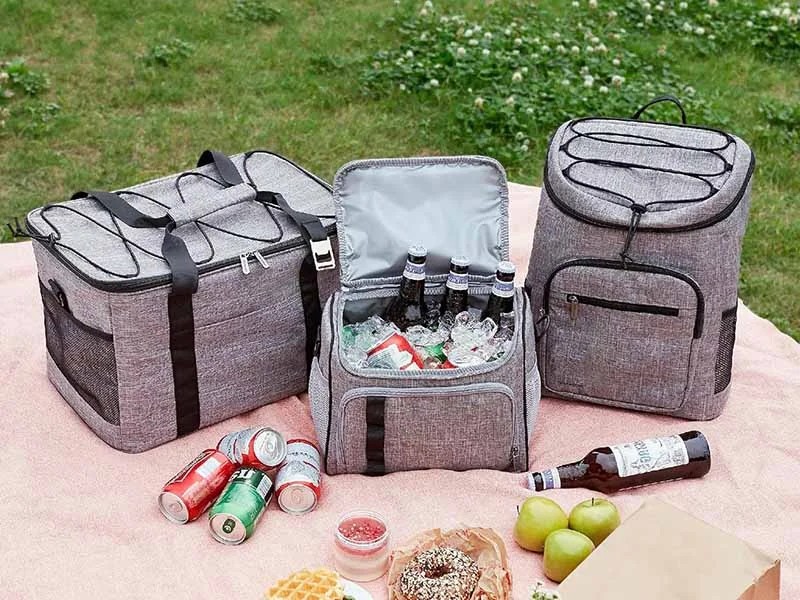
When it comes to sourcing custom belt bags and pouches, choosing the right partner is critical to ensuring quality, design flexibility, and reliability. Here’s why Pecbag is the ideal choice for your OEM/ODM needs.
A. Expertise in PVC Manufacturing
With over 15 years of experience, Pecbag offers unmatched PVC craftsmanship across fashion and industrial designs
- Diverse Portfolio: From sleek, fashion-forward designs to industrial-grade solutions, Pecbag has mastered the art of tailoring PVC bags to meet a variety of customer needs.
- Todistetut saavutukset: Trusted by global brands, Pecbag ensures kestävyys, high-quality finishesja functional designs that cater to both retail and industrial markets.
Whether you’re targeting trendy urban consumers or businesses in need of rugged solutions, Pecbag’s expertise ensures your products stand out.
B. Customization Capabilities
Explore versatile PVC options through our OEM/ODM-palvelut, including phthalate-free formulations and textured finishes.
- Wide Range of PVC Options: Choose from rigid, flexible, clear, matte, glossy, tai textured PVC to suit your brand’s vision.
- Flexible MOQ (Minimum Order Quantity): Pecbag accommodates businesses of all sizes, offering low MOQs for small-scale projects and bulk production for larger enterprises.
- Tailored Designs: Osoitteesta logo embossing to custom compartments, Pecbag helps you create products that align with your brand identity and customer expectations.
This level of customization ensures your belt bags and pouches are functional, on-brandja market-ready.
C. Commitment to Sustainability
Pecbag is committed to aligning with the growing demand for eco-conscious products.
- Kestävät materiaalit: Offers phthalate-free ja recycled PVC (rPVC) options, reducing environmental impact without compromising quality.
- Lainsäädännön noudattaminen: Adheres to international environmental standards, including EU REACH ja California Proposition 65, ensuring your products meet global sustainability benchmarks.
For brands looking to appeal to eco-conscious consumers, Pecbag’s sustainable options make it a trusted partner.
D. Reliable Supply Chain
Pecbag understands the importance of timely delivery ja cost efficiency, especially for bulk buyers.
- Toimitus ajallaan: A streamlined production process ensures your orders are completed and shipped on schedule.
- Kilpailukykyinen hinnoittelu: With access to a reliable supply chain and decades of experience, Pecbag offers cost-effective solutions for large-scale production.
- Omistettu tuki: From concept to delivery, Pecbag’s team provides end-to-end support for your OEM/ODM projects, ensuring a seamless experience.
Partner with Pecbag Today
By choosing Pecbag, you’re partnering with a team that combines expertise, customization flexibility, sustainability, and reliability. Whether you’re launching a new product line or scaling an existing one, Pecbag is ready to turn your vision into reality.
Ready to get started? Contact Pecbag today and let’s create something extraordinary!
Päätelmä
As PVC continues to dominate the bag industry, it remains a versatile and cost-effective material. However, balancing its adaptability with environmental concerns is crucial for the future of PVC bag production.
A. Keskeiset asiat
- Monipuolisuus: PVC is indispensable for both fashion-forward designs ja functional bags, offering waterproofness, durability, and affordability.
- Challenges: The material’s environmental trade-offs, such as non-biodegradability and toxicity concerns, highlight the need for more sustainable alternatives.
B. Industry Recommendations
For Brands
- Adopt eco-friendly practices using recycled PVC solutions from trusted partners like Pecbag to align with global sustainability standards.
- Invest in Innovation: Explore hybrid materials and PVC-free alternatives to stay ahead in a shifting regulatory and market landscape.
For Consumers
- Choose Quality Over Quantity: Valitse high-quality PVC products that last longer, helping to reduce waste.
- Support Sustainability: Look for brands that use recycled PVC or adhere to eco-conscious practices.
C. Future Outlook
- Stricter Regulations: Expect tighter global standards (e.g., EU REACH, California Proposition 65) to shape the industry, pushing for safer, more sustainable PVC solutions.
- Advancements in PVC Alternatives: Innovations like biobased PVC ja water-based formulations will likely redefine the market, offering eco-friendlier options without sacrificing performance.
- Continued Market Relevance: PVC’s unique qualities ensure it will remain a key material, especially as advancements address its environmental shortcomings.

 English
  Spanish
  German
  French
  Russian
  Portuguese
  Italian
  Polish
  Swedish
  Finnish
  Danish
  Greek
Greek