
Introduction
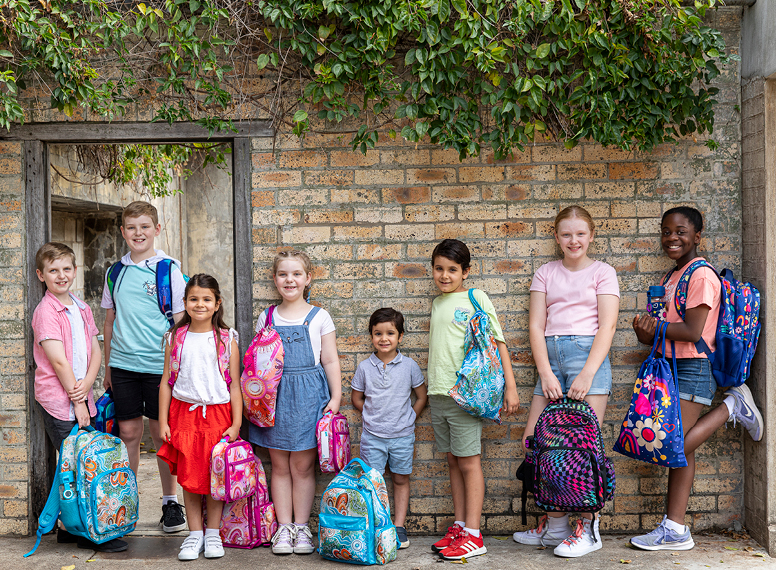
School bag capacity isn’t just about how much it can hold—it’s about finding the right balance between functionality and comfort.
Measured in liters (L) or cubic inches, the capacity determines how well a bag can carry books, supplies, and other essentials without putting unnecessary strain on a child’s back.
Explore PECBag’s complete range of school backpack solutions designed with age-appropriate ergonomics.
Choosing the right size is especially important for kids. A bag that’s too small won’t fit everything they need, while one that’s too large can lead to discomfort or even long-term posture issues.
That’s why understanding age-specific recommendations and ergonomic considerations is crucial.
This guide pulls insights from 10 reliable sources to provide a complete breakdown of what parents and caregivers need to know.
You’ll learn how to choose the best school bag capacity for kids of different ages, what factors to consider when shopping, and how to ensure the bag supports their health and daily needs.
Additionally, we’ll share practical tips to make your buying decision easier and more informed. Let’s dive in!
Key Factors Influencing Capacity Needs

A. Age and Physical Development
When it comes to school bag capacity, one size does not fit all. A child’s age and physical development play a major role in determining the right bag size:
- Younger Children (5–8 years):
Kids in this age group have smaller frames and limited tolerance for heavy loads. A bag with a capacity of 10–15 liters is typically enough for their needs, such as carrying a lunchbox, a water bottle, and a few notebooks. Overloading can cause discomfort or even long-term posture issues, so keeping it light is key.
- Elementary School (Ages 6–10)
Recommended: 10–18L
Key Features: Compact designs with padded straps and lightweight frames.
Manufacturer Tip: For customizable elementary backpacks, see PECBag’s backpack manufacturing capabilities for compartment optimization and weight distribution tech.
- Older Children (12+ years):
As children grow, so do their needs. Middle and high school students often carry textbooks, laptops, and gear for extracurricular activities. For them, a larger bag with a capacity of 20–30 liters works best. However, the weight should still stay within the safe limit of 10–15% of their body weight to avoid strain.
High School (Ages 14–18)
Recommended: 25–35L
- Ideal for: Laptops, textbooks, and sports gear.
- Structural Solution: Bags with modular compartments (like these customizable designs) prevent overpacking while organizing heavy loads.
B. Daily School Requirements
The type of items a child needs to carry also influences the ideal capacity.
- Elementary School: For younger students, the essentials are minimal—think worksheets, a lunchbox, crayons, and a couple of notebooks. A small, compact bag is sufficient, typically ranging from 10–15 liters.
- Middle/High School: Older students need bags that can handle more. Textbooks, binders, laptops, and sometimes sports or art supplies require a more structured design. A capacity of 20–30 liters ensures they have enough space without overloading themselves.
C. Ergonomic Guidelines
Carrying a bag that’s too heavy can have serious consequences for a child’s health. That’s where ergonomic principles come in:
- The American Academy of Pediatrics (AAP) advises that a child’s backpack should weigh no more than 10–15% of their body weight. For example, a 50-pound child should carry no more than 5–7.5 pounds.
- To support safe weight distribution, look for bags with padded shoulder straps, adjustable chest straps, and a padded back panel. These features ensure the load is evenly distributed, reducing strain on the back and shoulders.
By keeping these factors in mind, you’ll be able to choose a bag that not only fits your child’s needs but also protects their health.
Age-Specific Capacity Recommendations

Choosing the right bag size isn’t one-size-fits-all. Kids of different ages have different needs, and picking the wrong capacity can lead to discomfort or even injuries. Here’s a breakdown of ideal bag sizes for each age group, along with what to look for.
A. Preschool (Ages 3–5)
Recommended Capacity: 5–10 liters
Key Features: Small, lightweight backpacks with fun designs, like cartoon characters or bright colors. These bags should fit essentials like:
- A snack.
- A small toy.
- A change of clothes.
Why This Works: Preschoolers don’t need to carry much. Their bags should be small enough to prevent tripping or back strain. Oversized backpacks not only look awkward but can also make it harder for them to move around safely.
B. Elementary School (Ages 6–10)
Recommended Capacity: 10–18 liters
Typical Contents:
- 1–2 textbooks.
- A notebook.
- A pencil case.
- A lunchbox.
- A water bottle.
Notes:
- For younger elementary kids (ages 6–8), stick to smaller sizes (10–14L).
- Older elementary kids (ages 9–10) often need larger bags (15–18L) as their homework and supplies increase.
The key here is finding a balance. A bag should hold everything they need for school without being so big that it overwhelms their frame.
C. Middle School (Ages 11–13)
Recommended Capacity: 18–25 liters
Typical Contents:
- Multiple textbooks.
- Binders.
- A laptop (11–13 inches).
- A calculator.
- Gym clothes or shoes.
Ergonomic Focus: Middle schoolers start carrying heavier loads, so it’s essential to choose structured backpacks. Look for:
- Padded shoulder straps to reduce pressure.
- A waist belt to help distribute weight evenly.
- A breathable back panel for added comfort.
This age group benefits from bags that combine capacity with support, as daily loads can quickly add up.
D. High School (Ages 14–18)
Recommended Capacity: 25–35 liters
Typical Contents:
- Heavy textbooks.
- A 13–15-inch laptop.
- Notebooks and binders.
- A water bottle.
- Extracurricular items, like sports gear or art supplies.
Variations:
- For students with more demanding schedules (e.g., AP classes or sports), larger bags (30–35L) work best.What Is the Best Capacity of a School Bag for All Ages Kids
- Digitally focused students with fewer physical textbooks may only need 25–30L.
Why Size Matters: At this stage, students are more independent, and their bags often serve multiple purposes—school, extracurriculars, and even weekend trips. A well-designed, spacious bag ensures they stay organized without sacrificing comfort.
Final Tip
Matching the bag size to your child’s age and needs isn’t just about convenience—it’s about protecting their health. A bag that’s too big or too heavy can strain their shoulders and back. Always aim for a capacity that fits their daily routine while keeping weight manageable.
Capacity vs. Bag Design

A. Structural Features Supporting Capacity
The design of a bag plays a critical role in how well it manages capacity. A well-thought-out structure can make even a smaller bag feel spacious and functional:
- Compartments and Organization:
- Bags with multiple pockets help organize items efficiently. For example, a dedicated pocket for pencils, snacks, or a phone eliminates the need to dig through a single large compartment.
- Laptop sleeves are essential for older students. These keep devices secure without requiring a larger bag, saving space and providing added protection.
- Weight Distribution:
- Padded shoulder straps are a must for comfort, especially when carrying heavier loads. For larger bags (25+ liters), features like waist belts distribute the weight evenly, reducing strain on the shoulders.
- A firm back panel ensures that items inside the bag don’t press against a child’s back. This is especially important for fully loaded bags, as it maintains comfort during long walks or bus rides.
- Waist belts & padded straps: Distribute weight safely for 25L+ bags.
- Weatherproofing: Essential for all capacities. Partner with a specialized waterproof bag factory for laminated fabrics and taped seams.
B. Avoiding Over-Capacity Pitfalls
While large bags might seem convenient, they can lead to problems if not used wisely:
- Oversized Bags for High Schoolers:
- Bags with a capacity of 40+ liters might tempt students to overpack. This often leads to exceeding the recommended 15% body weight limit, which can strain the shoulders and back over time.
- Instead, focus on bags that balance size with smart organization—this prevents unnecessary packing while still accommodating essentials.
- Large Bags for Younger Children:
- Giving a large bag to a younger child often backfires. Kids tend to fill extra space with non-essential items like toys, snacks, or even unnecessary school supplies. This not only increases the bag’s weight but also puts their developing bodies at risk of injury.
By combining the right capacity with thoughtful design features, you can ensure the bag is both practical and safe for daily use. Always prioritize ergonomics and organization over size alone!
“A 40L bag tempts teens to overload. Opt for smart compartmentalization instead of raw volume.”
– PECBag Design Team, Backpack Manufacturer Experts
Safety and Ergonomic Considerations

Choosing the right school bag isn’t just about capacity—it’s also about safety and comfort. Overloading a bag or picking one that doesn’t fit well can lead to long-term health problems. Here’s a closer look at how to ensure you’re making the safest choice.
A. Weight Limits by Age
The weight a child should carry varies by age and size. Staying within these limits helps prevent strain on their growing bodies.
| Age Group | Max Recommended Weight | Corresponding Capacity (Approx.) |
| Preschool (3–5) | 3–5 lbs (1.4–2.3 kg) | 5–10L |
| Elementary (6–10) | 5–10 lbs (2.3–4.5 kg) | 10–18L |
| Middle School (11–13) | 10–15 lbs (4.5–6.8 kg) | 18–25L |
| High School (14–18) | 15–20 lbs (6.8–9.1 kg) | 25–35L |
Sticking to these weight limits ensures the bag remains manageable and minimizes the risk of back pain or posture issues.
B. Signs of Poor Capacity Fit
Sometimes, it’s easy to spot when a bag isn’t working. Here are some common warning signs:
- Physical Symptoms: If you notice redness on your child’s shoulders from the straps, complaints of back pain, or if they’re leaning forward to balance the weight, it’s a clear sign the bag is too heavy or poorly fitted.
- Behavioral Clues: Kids often avoid carrying uncomfortable bags. If your child is reluctant to bring their backpack, complains about the weight, or starts leaving necessary items at home, the bag might not be the right size or capacity.
Practical Tip
Make it a habit to check your child’s bag weekly. Remove unnecessary items to lighten the load and ensure they’re only carrying what they truly need. This small step can go a long way in protecting their health and comfort!
Practical Tips for Choosing the Right Capacity

Selecting the perfect school bag doesn’t have to be overwhelming. By focusing on your child’s daily needs and keeping practicality in mind, you can make a smart decision that works for years to come. Here are some actionable tips to guide you:
A. Assess Daily Needs
Start by understanding what your child carries every day.
- Make a List: Include essentials like textbooks, notebooks, a lunchbox, a water bottle, and devices. Add any unique items, like gym clothes or art supplies.
- Estimate Capacity: Once you’ve listed everything, calculate the combined volume (or approximate it). For example, a standard textbook takes up about 1–2 liters, while a lunchbox might take 3–4 liters.
- Add Extra Space: Choose a bag that’s 1–2 liters larger than your estimate. This extra space can come in handy for unexpected items, like a library book, jacket, or field trip supplies.
B. Prioritize Adjustability
Kids grow quickly, and their bags should grow with them.
- Adjustable Straps: Look for bags with padded, adjustable shoulder straps to ensure a snug and comfortable fit, even as your child gets taller.
- Expandable Features: Some bags come with expandable compartments, making them more versatile. For example, an 18L bag for a 9-year-old can easily fit an 11-year-old with the right strap adjustments.
- Long-Term Use: Investing in a bag with adjustable features means you won’t need to replace it every year, saving money in the long run.
C. Consult School Guidelines
Every school has its own rules, and they can directly impact your choice.
- Bag Size Restrictions: Some schools limit bag sizes, especially in elementary grades, where rolling backpacks or oversized bags may not be allowed. Check your school’s handbook to ensure your choice aligns with their policies.
- Special Requirements: Schools may also require specific bag features, like laptop compartments or clear bags for certain events.
D. Consider Material Durability and Weather Resistance
A durable bag pays off over time, especially when it’s exposed to daily wear and tear.
- Water-Resistant Fabrics: Choose materials like nylon or polyester with a water-resistant coating to protect items from rain or accidental spills.
- Reinforced Stitching: Look for double-stitched seams and heavy-duty zippers to ensure the bag withstands years of use.
- Easy Maintenance: Opt for bags with wipeable surfaces or machine-washable liners for easy cleaning.
By focusing on these practical tips, you’ll not only find a bag with the right capacity but also one that’s durable, adjustable, and perfectly suited for your child’s needs—both now and in the future.
Why Partner with Pecbag for OEM/ODM Custom Belt Bags and Pouches?

Choosing the right partner for OEM/ODM manufacturing can make all the difference when it comes to quality, customization, and value.
Here’s why Pecbag is the ideal choice for bulk buyers looking for custom belt bags, school bags, and pouches:
A. Tailored Solutions for Bulk Buyers
At Pecbag, customization is at the heart of what we do. Whether you’re a brand owner, a wholesaler, or an online seller, we offer fully customizable designs to match your specific needs.
From size and compartments to branding details like logos and color schemes, every product is tailored to your requirements. No matter your target audience, we’ll help you create bags that stand out.
B. High-Quality Manufacturing
Quality is non-negotiable at Pecbag. Our advanced production facilities and strict quality control processes ensure that every product is durable, ergonomic, and built to last.
From reinforced seams to comfortable straps, every detail is designed for functionality and long-term use. Your customers will appreciate the difference in craftsmanship.
C. Competitive Pricing and Scalability
Whether you’re ordering a few hundred units or scaling up to thousands, Pecbag provides cost-effective solutions for every production size.
Our flexible manufacturing capacity ensures that we can cater to businesses of all sizes—from small startups to large-scale enterprises—without compromising on quality or delivery timelines.
D. Innovation and Sustainability
Modern buyers care about style and the planet. Pecbag combines eco-friendly materials with contemporary designs to create products that are both stylish and environmentally responsible.
By partnering with us, you’re not just offering functional bags—you’re contributing to a more sustainable future.
Partnering with Pecbag means you’re choosing a trusted expert in bag manufacturing. From tailored solutions to high-quality production, we’re here to help you succeed in your market.
Let’s create something amazing together! Contact us today to start your custom bag project!
Why Partner with PECBag?
For bulk buyers, PECBag delivers:
- Age-Tailored Capacity: Customizable 5-35L designs with MOQs from 100 units.
- Ergonomic Engineering: ISO-certified features like airflow back panels and weight-balancing frames.
- Durability Guarantees: Weather-resistant fabrics tested to IPX6 standards (see waterproof range).
- End-to-End OEM: From prototyping to branding (full service details).
→ Explore Backpack Manufacturing Options
Conclusion
A. Key Takeaways
Choosing the right school bag capacity is about more than just size—it’s about health, functionality, and long-term comfort. Here are the main points to remember:
- Capacity by Age:
- Preschoolers (3–5 years): 5–10L.
- Elementary Students (6–10 years): 10–18L.
- Middle Schoolers (11–13 years): 18–25L.
- High Schoolers (14–18 years): 25–35L.
- Ergonomics Over Size: The bag should weigh no more than 10–15% of your child’s body weight. Prioritizing comfort features like padded straps and compartments ensures safety and support.
B. Final Recommendation
Before buying, take a few simple steps to ensure the bag is the right fit:
- Evaluate Daily Needs: List the items your child carries each day—books, lunch, sports gear, etc.
- Measure Body Weight: Use this to calculate the safe load limit (10–15%).
- Choose Organized Designs: Bags with multiple compartments help maximize storage efficiency, reducing the need for unnecessarily large capacities.
The right capacity strikes a balance between functionality and safety, ensuring your child can carry everything they need without risking their health.
C. Long-Term Impact
Investing in the correct school bag early on has lasting benefits:
- Health Benefits: It reduces the risk of chronic back pain or posture issues, helping children build healthy habits.
- Cost Savings: Durable, ergonomic bags can last through multiple school years, making them a smart financial choice.
By choosing a bag that matches your child’s age and needs, you’re setting them up for a safer, more comfortable, and productive school experience!
Choosing capacity requires balancing:
- 📐 Child’s frame size
- 📚 Daily load requirements
- ⚖️ Weight distribution tech
Action Step:
- Audit student needs using our age chart.
- Request ergonomic samples from a certified backpack manufacturer.
- Prioritize adjustable designs for long-term use.
For brands: Launch custom school lines with PECBag’s OEM solutions – featuring 72H prototyping and BSCI-certified production.


 English
  Spanish
  German
  French
  Russian
  Portuguese
  Italian
  Polish
  Swedish
  Finnish
  Danish
  Greek
Greek