
Key Takeaways
- Critical Role: Bulk bag manufacturers provide essential flexible containers (FIBCs) for various industries, facilitating efficient storage and transportation of materials.
- Material Options: Woven polypropylene is commonly used for its strength and UV treatment, ensuring durability in diverse environments.
- Customization Matters: Many manufacturers offer tailored solutions, allowing businesses to customize sizes, materials, and designs to enhance functionality and brand identity.
- Types of Bulk Bags: Different types of bulk bags, such as Type A, B, C, and ventilated bags, cater to specific applications and safety requirements, ensuring optimal use based on materials handled.
- Quality Assurance: Selecting a reliable manufacturer involves evaluating their quality control processes and certifications, which guarantee compliance with industry standards.
- Cost and Efficiency: Choosing a trustworthy bulk bag manufacturer can lead to significant cost savings and enhanced supply chain efficiency due to reduced handling times and increased reusability.
Imagine standing in a bustling warehouse, surrounded by towering stacks of durable bulk bags, each one ready to transport everything from grains to chemicals.
As a bulk bag manufacturer, I’ve witnessed firsthand how these versatile sacks play a crucial role in various industries, streamlining logistics and ensuring safe storage.
Overview Of Bulk Bag Manufacturers
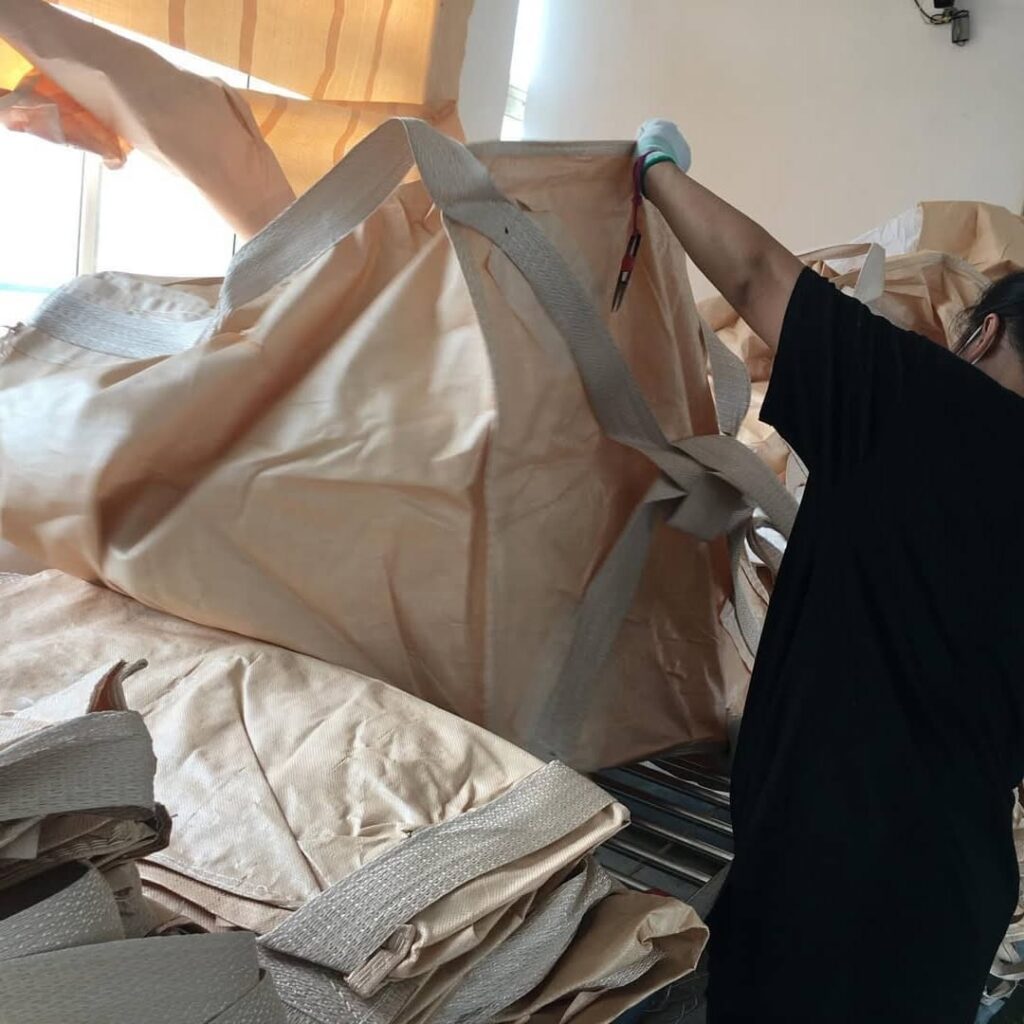
Bulk bag manufacturers play a crucial role in meeting the demands of various industries. These companies specialize in creating large, flexible containers known as bulk bags, or FIBC (Flexible Intermediate Bulk Containers).
These bags accommodate diverse materials such as grains, chemicals, and construction aggregates, providing efficient solutions for storage and transportation.
Bulk bag manufacturers utilize different materials tailored to specific needs. Companies often use woven polypropylene for its strength and durability, while some provide options that are UV-treated for outdoor use. This material choice enhances the longevity of bulk bags in various environments.
Leading bulk bag manufacturers specialize in creating FIBCs tailored for industries such as agriculture, chemicals, and construction. These FIBC manufacturers ensure durability and efficiency through advanced materials and innovative designs.
Manufacturing Process
The manufacturing process of bulk bags includes several key steps:
- Material Selection: Bulk bag manufacturers choose high-quality raw materials to ensure product durability.
- Weaving: Machines weave the polypropylene into fabric, creating a strong, yet lightweight, structure.
- Sewing: Skilled workers sew the bags, reinforcing seams for added strength.
- Quality Control: Regular inspections ensure that each bag meets industry standards for safety and effectiveness.
Applications of Bulk Bags
Bulk bags find applications across numerous sectors. Below is a summary of industries relying on these versatile containers:
| Industry | Typical Use |
| Agriculture | Transporting grains, fertilizers |
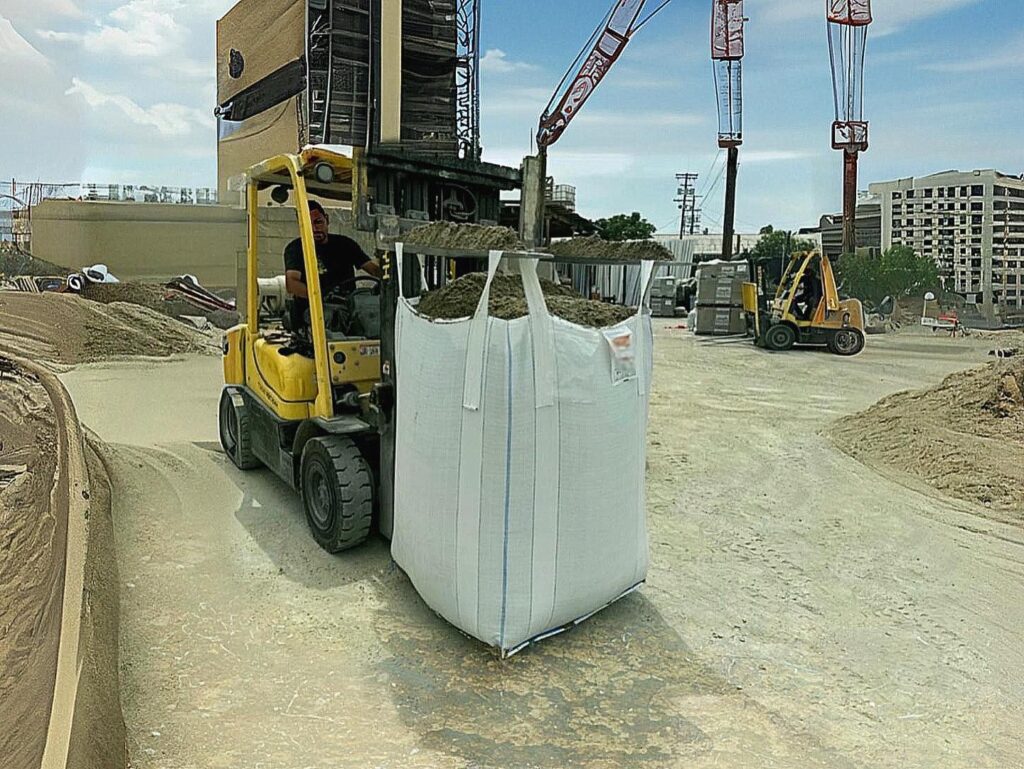
| Construction | Handling sand, gravel, and aggregates |
| Food and Beverage | Storing bulk ingredients, such as sugar |
| Chemicals | Containing hazardous substances safely |
This table highlights how bulk bag manufacturers cater to specific industry needs, ensuring optimal performance and safety.
Importance of Customization
Many bulk bag manufacturers offer customization options to meet unique requirements. Custom features can include specific sizes, printing, and closures. This flexibility enhances functionality and allows companies to build brand identity through personalized packaging solutions.
Our factory stands out for its advanced weaving technology, enabling faster production times without compromising quality. Additionally, we offer eco-friendly materials certified by ISO 14001, ensuring sustainability in every bag we produce.
To explore more products and learn about bulk bag manufacturing, visit Pecbag. Understanding the nuances of this industry evokes interest in how these bags profoundly impact logistics and storage solutions.
Types Of Bulk Bags
Bulk bags, also known as Flexible Intermediate Bulk Containers (FIBCs), come in various types tailored to specific applications and handling requirements. Here’s a detailed overview of their distinct categories.
Type A Bulk Bags
Type A bulk bags are basic, all-purpose options made from plain-woven polypropylene. These bags are designed exclusively for non-flammable products. It’s vital to avoid storing flammable solvents or gases nearby, as Type A bags provide no static protection. Their simplicity makes them suitable for handling dry materials across different industries, ensuring safe transportation and storage.
Type B Bulk Bags
Type B bulk bags feature non-conductive materials, making them ideal for situations with combustible dusts that have a Minimum Ignition Energy (MIE) greater than 3 mj. Care must be taken not to use them around flammable vapors. These bags effectively manage the safe storage and transport of dry, flammable powders, minimizing the risk associated with static electricity.
Type C Bulk Bags (Conductive Bulk Bags)
Type C bulk bags, or conductive bulk bags, integrate conductive threads woven throughout the fabric. This design dissipates static energy safely from the bag’s surface. To maintain effectiveness, it’s crucial to ground these bags during filling and discharge processes, ensuring a secure discharge of static. Suitable for hazardous materials, these bags cater to industries requiring enhanced safety measures.
Ventilated Bulk Bags
Ventilated bulk bags offer a unique structure with built-in ventilation panels. This feature allows airflow, preventing moisture buildup and spoilage of bulk materials sensitive to humidity. Ideal for agricultural products such as grains and seeds, these bags ensure product quality is maintained during storage and transportation.
| Type of Bag | Material | Static Protection | Usage Examples |
| Type A | Plain-woven polypropylene | None | Non-flammable products |
| Type B | Non-conductive materials | Limited, for specific dusts | Dry, flammable powders |
| Type C | Conductive threads | Yes, requires grounding | Hazardous materials |
| Ventilated | Woven polypropylene with vents | None | Agricultural products |
For more insights on bulk bag manufacturing and its applications, explore Pecbag.
Key Considerations When Choosing A Bulk Bag Manufacturer
Choosing a bulk bag manufacturer involves crucial considerations that ensure quality and suitability for specific applications. Focusing on quality assurance standards and customization options promotes better decision-making.
Quality Assurance Standards
Quality assurance standards hold significant importance in the selection of a bulk bag manufacturer. Key elements to evaluate include:
- Meticulous Inspections: Reputable manufacturers conduct various inspections, such as in-process inspections and final inspections. These steps ensure consistency and strength while eliminating the presence of debris or impurities. Quality control measures should align with industry standards [1][4].
- Certifications and Compliance: Look for manufacturers that possess essential certifications. Relevant certifications include AIB Food Grade Certification, European Standard 1898/2000, UN Certification, British Standard 6382/1983, Canadian Food Inspection Agency (CFIA), ISO 9001, and HACCP. These certifications reflect compliance with industry-specific regulations and safety standards [1][4].
Success Stories
- “We partnered with a European agricultural company to produce 100,000 UV-treated ventilated FIBCs, reducing product spoilage by 20%.”
- “Our custom-designed Type C conductive bulk bags helped a US-based chemical company improve safety compliance, achieving a 30% reduction in static-related incidents.”
Customization Options
Reliable bulk container suppliers offer extensive customization options, including size, material, and closure designs. These tailored solutions enhance functionality and align with specific industry needs.
Customization options play a vital role in enhancing functionality and aligning with specific operational requirements. Important aspects to consider include:
- Tailored Solutions: Many manufacturers provide tailored bulk bag solutions to meet unique needs. Customization may include size adjustments, specific materials, and distinctive designs that facilitate brand identity.
- Material Selection: Choosing appropriate materials for customization enhances performance characteristics. Consider factors such as UV treatment for outdoor durability and woven polypropylene’s strength, ensuring bags handle diverse applications efficiently.
- Functionality Features: Assess the inclusion of functionality features such as ventilation panels or conductive properties. These features cater to particular materials, enhancing storage and transportation processes.
For more insights into bulk bag manufacturing and to explore various options, visit Pecbag.
Benefits Of Working With A Reliable Bulk Bag Manufacturer
Working with a reliable bulk bag manufacturer offers numerous advantages, particularly in enhancing supply chain efficiency and delivering cost-effective solutions.
Enhanced Supply Chain Efficiency
Bulk bags, or Flexible Intermediate Bulk Containers (FIBCs), significantly improve supply chain operations. These bags handle large volumes of materials, streamlining the transportation process. Efficient bulk handling cuts loading and unloading times, allowing businesses to manage heavy loads swiftly. For instance, using bulk bags can lead to labor cost reductions by minimizing the workforce needed for handling.
| Benefit | Impact |
| Efficient Loading | Reduces time in transport by 30% |
| Fewer Changeovers | Lowers interruptions during operations |
| Quick Unloading | Increases overall operational efficiency |
The elimination of multiple smaller containers means fewer interruptions during operations. The large capacity of bulk bags simplifies the filling and emptying processes, resulting in faster turnaround times. By adopting this approach, I can ensure smoother logistics and minimize operational disruptions.
Cost-Effective Solutions
Selecting a reliable bulk bag manufacturer contributes to cost savings in various ways. Bulk bags often require a lower upfront investment compared to traditional containers when considering their capacity and durability. Their robust design allows multiple uses, further enhancing cost efficiency.
| Cost Element | Traditional Containers | Bulk Bags |
| Initial Cost | Higher | Lower |
| Reusability | Limited | Multiple uses |
| Maintenance | Frequent | Minimal |
Also, the reduced need for storage space and handling requirements translates into lower operational costs. Investing in a high-quality bulk bag manufacturer, like Pecbag, provides tailored solutions that align with specific needs, promoting modularity and efficiency.
Exploring how a reliable bulk bag manufacturer can transform operations is worthwhile. For more information about bulk bags and their advantages, visit Pecbag.
Conclusion
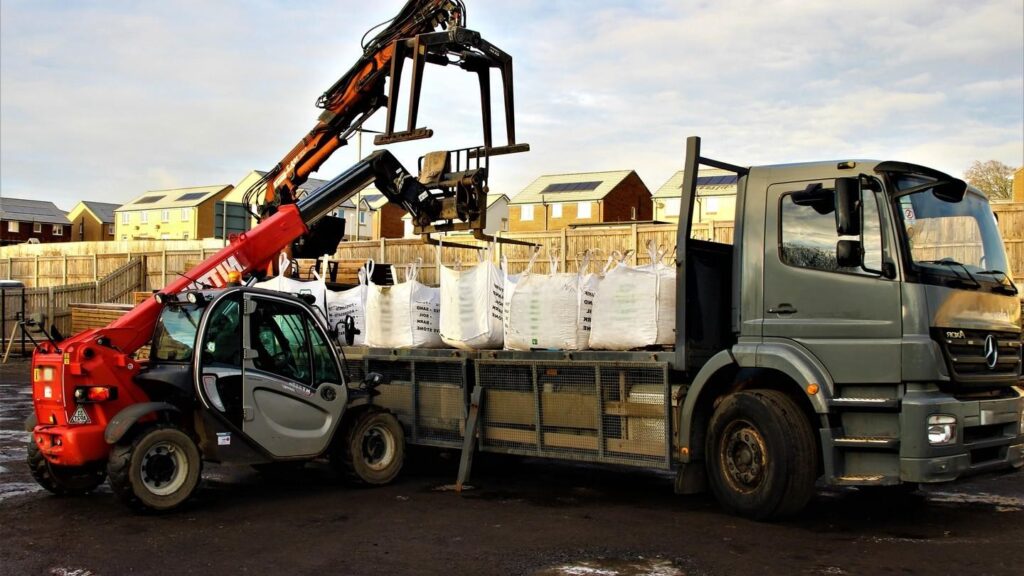
Choosing the right bulk bag manufacturer can truly elevate your operations. With their expertise in producing durable and versatile bags tailored to specific needs, manufacturers like Pecbag stand out. The benefits of bulk bags are undeniable—they streamline logistics, enhance efficiency, and offer cost-effective solutions.
By investing in quality bulk bags, you’re not just improving material handling; you’re also ensuring safety and compliance with industry standards. I encourage you to explore how customized bulk bag solutions can make a difference in your business. Visit PEC PETS to discover the wide range of options available and see how they can transform your supply chain.
Ready to Elevate Your Supply Chain Efficiency?
- Contact us today to discuss your bulk bag requirements and request free samples tailored to your business.
- Limited Offer: Enjoy a 10% discount on your first order if you contact us within the next 7 days!
- Email: [email protected]
- Phone: +86 13459596692
- Website: pecbags.com




 English
  Spanish
  German
  French
  Russian
  Portuguese
  Italian
  Polish
  Swedish
  Finnish
  Danish
  Greek
Greek