
Key Takeaways
- Innovation in Design and Functionality: Food delivery lunch bags are crafted with advanced insulation, multi-compartment features, and customizable options, enhancing both utility and consumer satisfaction.
- Sustainable Materials: Factories prioritize eco-friendly materials like recycled polyester and organic cotton, reducing environmental impact while appealing to eco-conscious consumers.
- Durability and Quality: The use of high-quality, durable fabrics ensures the longevity and structural integrity of lunch bags, which is critical for maintaining food safety and enhancing user experience.
- Market Growth Trends: The global market for lunch bags is projected to grow at an 11.0% CAGR, driven by rising consumer demand for convenient and health-conscious food transportation solutions.
- Technological Advancements: Innovations in manufacturing processes and materials contribute to improved product quality, making it essential for manufacturers to adapt to changing market needs.
- E-commerce Influence: The shift towards online shopping plays a significant role in increasing the accessibility of lunch bags, highlighting the importance of digital distribution channels in today’s market.
Have you ever wondered what goes into making the perfect food delivery lunch bag? Picture this: a bustling factory floor, machines humming, and workers expertly crafting bags that keep your meals fresh and delicious. It’s not just about convenience; it’s about innovation and quality.
As I dive into the world of food delivery lunch bag factories, I’ll uncover the secrets behind these essential items that have transformed how we enjoy our meals on the go.
From sustainable materials to cutting-edge designs, there’s so much more than meets the eye. Join me as I explore the fascinating journey of these factories and the impact they have on our daily lives.
Overview of Food Delivery Lunch Bag Factories
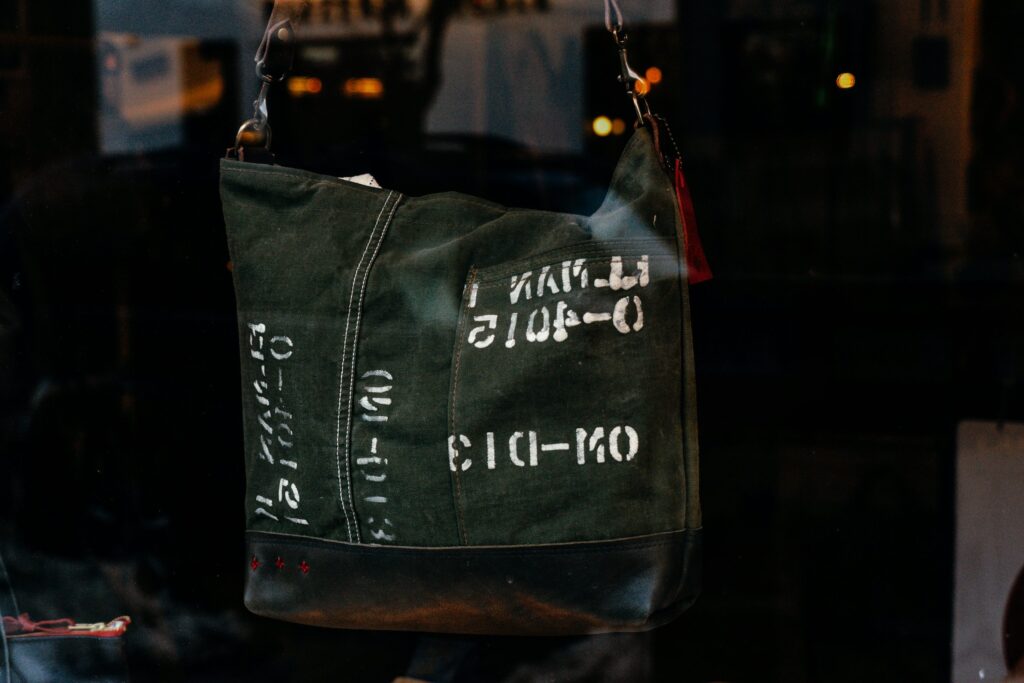
Are you looking for a lunch bag that keeps food fresh while aligning with eco-friendly trends? Pecbag delivers high-quality products that add sustainable value to your brand.
Food delivery lunch bag factories play a crucial role in producing essential products that support our on-the-go lifestyles. These factories focus on sophisticated designs that combine functionality and aesthetics.
Inside bustling production floors, innovative processes ensure that each lunch bag meets quality standards while addressing the growing demand for sustainable materials.
Each factory operates with specific machinery that specializes in different aspects of production, such as cutting materials, sewing, and assembling.
For example, automated cutting machines enhance efficiency, while skilled workers oversee the intricate sewing processes. Factories often employ advanced technology to monitor quality control, ensuring that every lunch bag is durable and effective.
The use of sustainable materials stands out in the production process. Many factories now prioritize eco-friendly options, reducing environmental impacts while appealing to eco-conscious consumers. Materials like recycled polyester and organic cotton frequently emerge as popular choices, reflecting a shift towards responsible manufacturing.
Here’s a comparison of common materials used in food delivery lunch bags:
| Material | Features | Environmental Impact |
| Recycled Polyester | Durable, lightweight, water-resistant | Reduces plastic waste |
| Organic Cotton | Breathable, washable | Biodegradable, reduces chemicals |
| Neoprene | Insulating, flexible | Non-biodegradable, high durability |
| Nylon | Strong, resistant to wear | Generally non-sustainable |
As factories innovate, they also explore designs that cater to diverse needs. Versatile lunch bags now feature compartments, insulation, and customizable elements, allowing consumers to choose products that match their lifestyles.
Factories engage in trend analysis, adapting designs based on consumer feedback and market insights. To conclude, food delivery lunch bag factories demonstrate the intersection of innovation, sustainability, and consumer demand.
Understanding how these factories operate can inspire a deeper appreciation for the products that support our daily routines. To learn more about quality lunch bags, visit Pecbag.
We successfully designed a multi-compartment insulated lunch bag for a North American food delivery company. With custom logo design and efficient delivery, the client achieved a 20% market share increase within three months.
Key Features of Food Delivery Lunch Bags
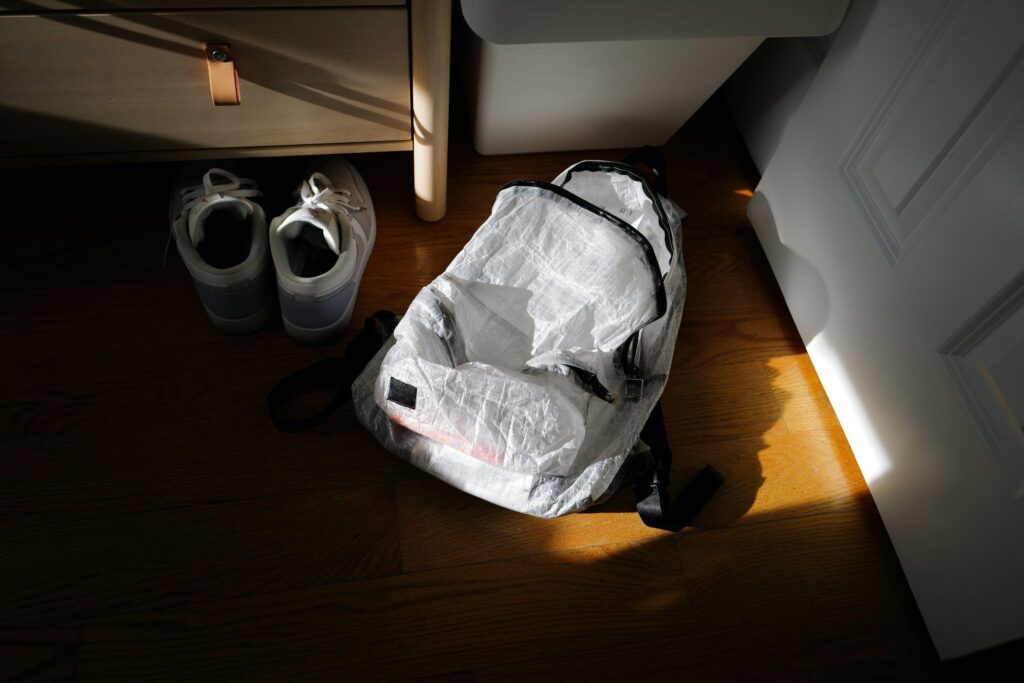
Food delivery lunch bags exhibit essential features that enhance their functionality and appeal to consumers. Understanding these key aspects ensures that I make informed choices in the design and material selection.
Insulation Properties
Insulation properties are crucial for maintaining the temperature of food during transport. Advanced insulation materials retain heat or cold effectively, ensuring meals arrive fresh. Studies show that poorly insulated bags can lead to customer dissatisfaction.
Many manufacturers utilize thermal insulation technology, which offers enhanced performance compared to traditional options. This innovation results in bags that consistently deliver quality food experiences, earning loyalty from customers.
| Insulation Type | Heat Retention (hours) | Cold Retention (hours) |
| Basic Insulation | 1-2 | 2-4 |
| Advanced Thermal Insulation | 3-5 | 5-7 |
| High-Performance Insulation | 6-8 | 8-10 |
Durability and Material Quality
Durability and material quality significantly impact the longevity of food delivery lunch bags. Reusable insulated lunch bags often feature materials like nylon, polyester, and canvas, which provide lasting structural integrity.
These materials withstand rigorous use, aligning with the eco-conscious choice many consumers prefer. Paper-based alternatives also offer surprisingly robust options, matching the durability of plastic while emphasizing sustainability.
Manufacturers increasingly integrate waterproof materials and leak-proof designs to enhance bag performance. These features secure contents during transit, reducing spills and messes. Understanding these components encourages consumers to invest in high-quality products that reflect their values.
For a deeper exploration into quality lunch bags and sustainable options, visit Pecbag.
Popular Manufacturers of Food Delivery Lunch Bags
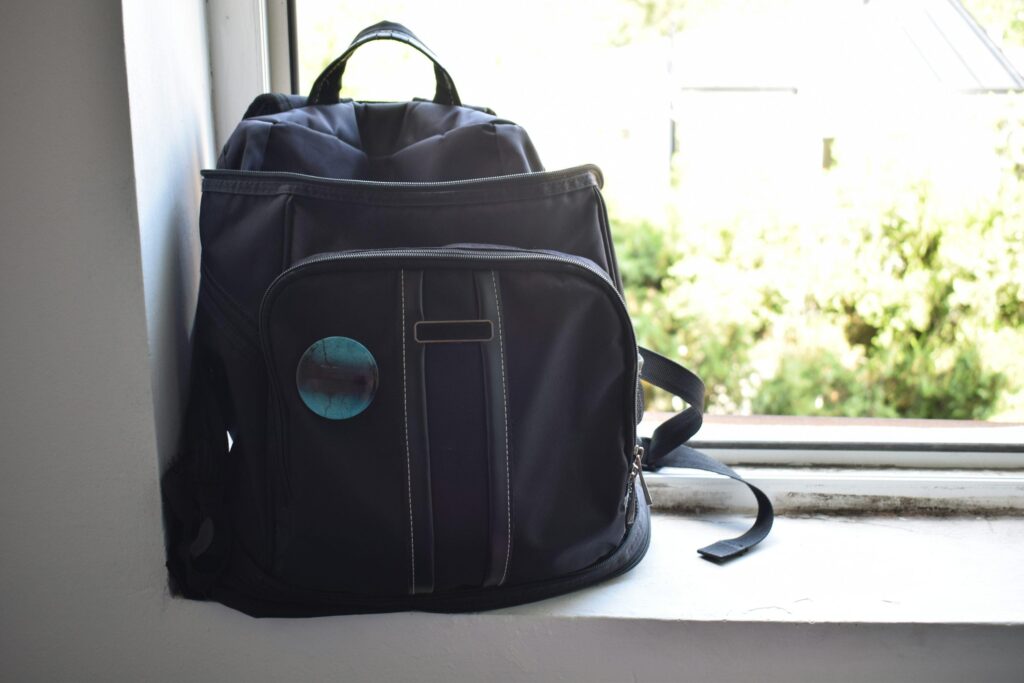
Numerous manufacturers contribute to the food delivery lunch bag industry, each emphasizing unique qualities and specifications that cater to varying consumer needs.
Factory Locations and Specializations
Pecbag operates globally, with manufacturing facilities in Asia. This company’s specialization lies in custom lunch bags with advanced insulation, high-quality materials, and a focus on sustainability. They offer multi-compartment storage, leakproof technology, and custom logo options, ensuring adherence to global food safety standards.
Lengthbag, another global player, emphasizes custom private label cooler lunch bags, including products like lunch backpacks and insulated totes. Their ability to handle bulk orders and maintain on-time delivery makes them significant competitors in the market.
Everich, based in China since 2000, stands as a leading lunch bag supplier. They manage ODM and OEM projects, providing a comprehensive range of durable and stylish lunch bags designed with practicality in mind.
| Attribute | PEC Bag | Lengthbag | Everich |
| Annual Output | 500,000 units | 300,000 units | 350,000 units |
| Eco-Friendly Material Usage | 85% | 70% | 60% |
| Customization Flexibility | High | Medium | High |
| Shortest Lead Time | 20 days | 30 days | 25 days |
Product Range and Innovations
Here’s a breakdown of notable features across various manufacturers:
| Manufacturer | Special Features | Product Types |
| Pecbag | Advanced insulation, sustainability focus | Custom lunch bags, multi-compartment |
| Lengthbag | Private label options, bulk order capabilities | Cooler lunch bags, insulated totes |
| Everich | ODM and OEM projects, durability in design | Insulated lunch box bags, accessories |
These manufacturers embrace advanced technology for insulation. Insulated lunch bags help keep food at the desired temperature, boosting customer satisfaction.
Durable materials like nylon, polyester, and eco-friendly options constitute the fabric choices for these bags, while waterproof designs improve leak-proof functionality, encouraging consumers to opt for sustainable products.
Each manufacturer contributes to the growing evolution of lunch bag designs, integrating compartments, insulation, and custom branding options. For more insights on quality lunch bags, visit my company, Pecbag.
Sustainability Practices in Food Delivery Lunch Bag Manufacturing
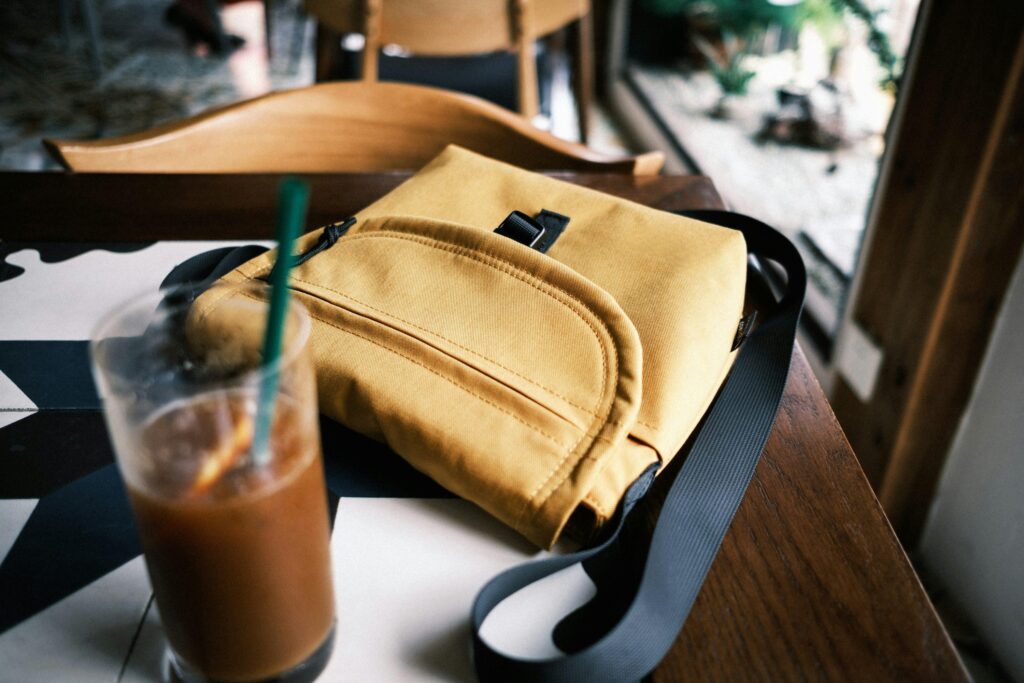
Sustainability is at the forefront of food delivery lunch bag manufacturing. Factories adopt various practices to minimize environmental impact while maintaining functionality.
Eco-Friendly Materials
Factories increasingly utilize eco-friendly materials in lunch bag production. Many companies shift towards reusable materials, such as durable fabrics designed for frequent use. Reusable bags cut down on single-use waste significantly.
Also, biodegradable and compostable materials, like paper lunch bags, offer sustainable solutions, decomposing naturally without harming the environment.
Recyclable options are also gaining popularity. Companies like Pecbag leverage materials that can be recycled or composted, ensuring reduced landfill contributions.
| Material Type | Feature | Environmental Impact |
| Reusable Fabrics | Durable, high-quality options | Reduces need for single-use packaging |
| Biodegradable Paper | Naturally degrades | Minimizes landfill waste |
| Paper and Fiber Trays | Recyclable and compostable | Supports circular economy |
Waste Reduction Techniques
Effective waste reduction techniques are crucial in manufacturing processes. Manufacturers optimize production by minimizing waste during material utilization. Creating multi-purpose packaging designs, like insulated and leak-proof formats, enhances efficiency.
The push for reusable packaging remains powerful. Containers and bags designed for multiple uses decrease the need for continuous new packaging production.
Also, companies educate customers on recycling and reusing the packaging materials they receive. For instance, Pecbag encourages customers to find creative ways to repurpose boxes and compost fiber trays.
Sorting and recycling initiatives further streamline waste management. Companies such as Pecbag simplify recycling processes by numbering plastics, making sorting more manageable. These practices ensure materials get recycled properly, addressing the growing concern of landfill overcrowding.
By adopting innovative materials and waste reduction techniques, food delivery lunch bag factories contribute to a sustainable future. To discover more about quality lunch bags, visit Pecbag.
Whether you need custom-branded lunch bags or eco-friendly solutions with advanced functionality, PEC Bag can provide the perfect product support for your brand.
Trends in the Food Delivery Lunch Bag Market
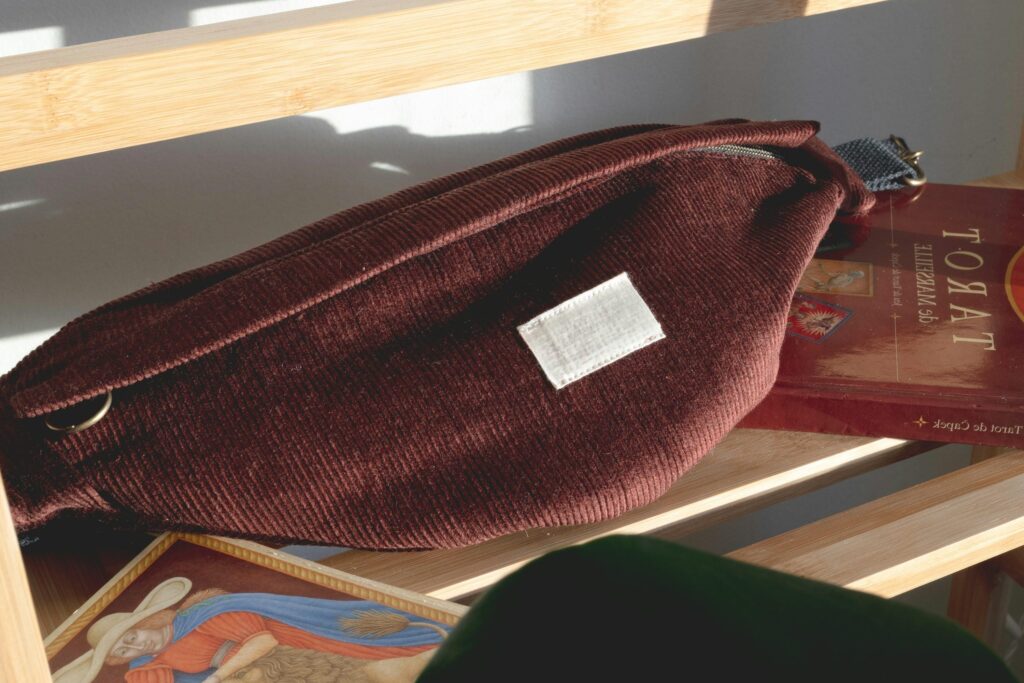
The food delivery lunch bag market experiences dynamic growth, driven by multiple interrelated trends. A crucial trend is market growth.
The global lunch bags market projects an 11.0% compound annual growth rate from 2022 to 2029, culminating in an estimated value of USD 1.96 billion by 2029. This growth underscores the increasing importance of lunch bags in consumers’ daily lives.
Technological advancements significantly affect production in food delivery lunch bag factories. Improved materials and designs, including advanced insulated linings, enhance functionality by maintaining food temperature during transport.
Notably, factories adopt innovative techniques for efficiency and precision, ensuring high-quality products that meet market demands.
A shift in consumer preferences impacts the types of products that manufacturers prioritize. There’s a growing demand for health-conscious items, with consumers leaning towards home-cooked meals.
This trend heavily influences the design of lunch bags as they require features to maintain food quality and temperature. It’s fascinating how these preferences manifest in varying designs, catering to diverse lifestyles, particularly within the Asia-Pacific region.
Material segmentation also plays a vital role in market development. Factories produce lunch bags using a mix of materials such as plastic, metal, glass, and fabric. Each material serves distinct consumer needs.
Metal options attract health-conscious individuals, while fabric choices appeal to those seeking stylish and portable solutions. The environmental impact of these materials factors prominently into consumer decisions—a topic worth exploring for manufacturers.
Online shopping continues to reshape distribution channels. E-commerce platforms now form a significant portion of lunch bag sales, making products more accessible to a broader audience.
This shift reflects adjusted shopping habits and heightened consumer reliance on online resources for purchases.
Geographical trends reveal varying growth rates across regions. The Asia-Pacific area emerges as a rapid growth hub, driven by urbanization and rising disposable incomes.
North America and Europe maintain established markets, whereas regions like the Middle East and Latin America represent emerging opportunities for expansion.
Finally, heightened focus on health and safety informs product development. Consumers seek lunch bags made from safe, eco-friendly materials, such as BPA-free glass and insulated fabric.
Health considerations increasingly influence buying decisions, demanding manufacturers prioritize safety alongside aesthetics and function.
Summarizing, the trends shaping the food delivery lunch bag market reflect a blend of technological progress, shifting consumer preferences, and the need for sustainable practices.
For more insights into quality lunch bags, visit Pecbag.
We offer one-stop services from design drafts to mass production, including logo customization, packaging solutions, and material selection guidance, ensuring every product aligns with the client’s brand needs.
Conclusion
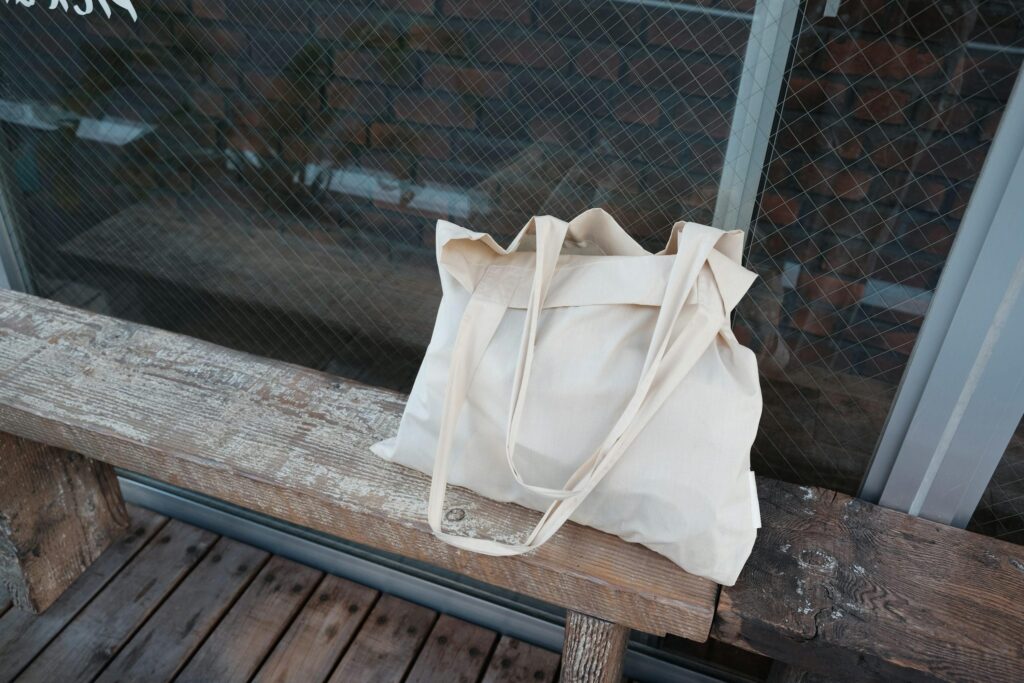
The journey through food delivery lunch bag factories reveals their vital role in our modern lives. These factories are not just about production; they embody a commitment to sustainability and innovation.
As I’ve explored the various materials and designs, it’s clear that the industry is evolving to meet consumer needs while prioritizing environmental responsibility.
With a focus on quality and advanced technology, these manufacturers are setting new standards for what we expect from our lunch bags.
As the market continues to grow, I’m excited to see how these advancements will shape our everyday experiences. Embracing these products means supporting a more sustainable future while enjoying the convenience they offer.
Contact us today to request free samples and exclusive quotes! The first 50 clients this month will enjoy a 10% discount on custom orders—don’t miss out!


 English
  Spanish
  German
  French
  Russian
  Portuguese
  Italian
  Polish
  Swedish
  Finnish
  Danish
  Greek
Greek