

Key Takeaways
- Material Quality Matters: Selecting suppliers that prioritize high-quality materials is crucial for product durability and customer trust, especially in leather handbags.
- Assess Production Capacity: Ensure the supplier can meet your business demands by evaluating their production capabilities and reviewing past client orders.
- Explore Design Capabilities: Choose suppliers with flexible and creative design approaches to develop unique handbags that enhance your brand identity.
- Understand Pricing and Payment Terms: Clear communication on costs, deposit requirements, and payment schedules is essential for smooth financial management and partnership stability.
- Conduct Thorough Research: Investigate the history and reputation of potential suppliers to ensure they meet industry standards and align with your vision.
- Embrace Sustainability Trends: Opt for suppliers committed to eco-friendly practices, as consumers increasingly prefer sustainable products in the bag manufacturing sector.
Have you ever found yourself overwhelmed by the sheer number of bag suppliers out there? It’s like stepping into a maze of options, each promising quality and style. As I navigated this bustling market, I discovered that choosing the best bag supplier isn’t just about price; it’s about finding a partner who understands your vision and can bring it to life.
Imagine the feel of luxurious materials slipping through your fingers or the vibrant colors that catch your eye, sparking inspiration.
In this text, I’ll share insights and tips to help you identify the best bag suppliers who can elevate your brand and meet your unique needs. Whether you’re launching a new line or seeking reliable production, let’s dive into the world of bags and uncover the gems waiting to be discovered.
Factors to Consider When Choosing Bag Suppliers

Choosing the right bag supplier involves several critical considerations that can influence the success of your brand. Each element plays a significant role in ensuring that the products meet market demands and align with your vision.
Material Quality
Evaluating material quality is essential for the durability and appeal of handbags. Opt for suppliers that use high-quality materials, particularly if focusing on leather. The type of leather—full-grain, top-grain, or bonded—affects both the look and longevity of the handbags.
High-quality materials not only enhance product appeal but also build trust with customers. When discussing material quality, consider asking potential suppliers about their sourcing practices and any certifications they hold.
Production Capacity
Assessing production capacity helps ensure your supplier can meet your business’s demands. Review their past client orders to gauge their ability to handle your required quantity and timelines.
A supplier with a robust production capacity can scale with your growth, accommodating shifts in order sizes without compromising quality. Create a table to compare the production capacities of various suppliers, which can help visualize this critical factor.
Design Capabilities
Exploring design capabilities is vital for creating unique handbags. Choose suppliers who demonstrate flexibility and creativity in design, as this can significantly impact your brand’s identity.
Suppliers should offer a variety of design options, customization features, and expertise in luxury handbag production if that aligns with your market. Inquire about their design process and show interest in their previous work, as this can provide insight into their design philosophy.
Pricing and Payment Terms
Understanding pricing and payment terms can lead to successful partnerships. Request detailed quotes to compare the costs effectively—consider factors like material pricing, production costs, and any additional customization charges.
Earlier discussions on payment terms are crucial; seek clarity on deposit requirements, payment schedules, and cancellation policies. Having this information upfront aids in cash flow management, critical for maintaining operational stability.
Choosing the right bag supplier requires careful consideration of these factors. Evaluating material quality, assessing production capacity, exploring design capabilities, and understanding pricing and payment terms builds a strong foundation for your brand. For those looking to find reliable suppliers, I encourage exploring options at Pecbag for additional insights.
Top Bag Suppliers in the Industry
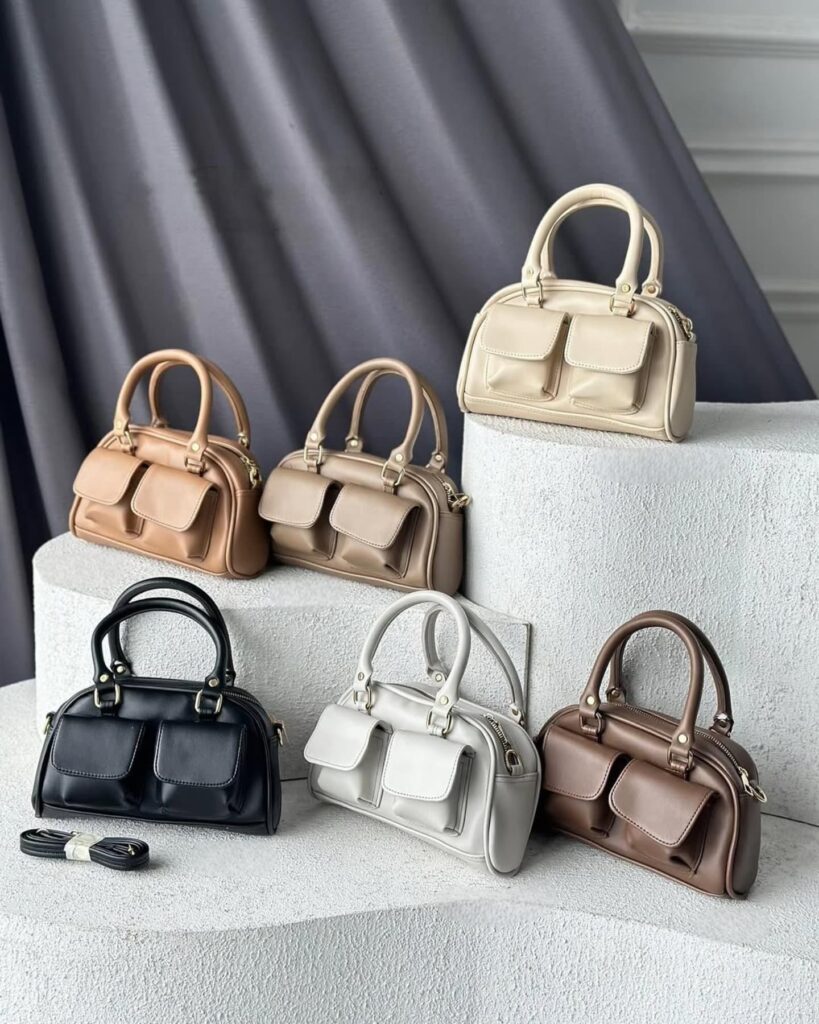
Identifying the best bag supplier is vital for any brand looking to enhance its product line. Below, I provide a comparison of leading suppliers along with an overview of their unique services and specializations.
Overview of Leading Suppliers
| Supplier Name | Headquarters | Experience | Specializations |
| GFG Bag Manufacturer | Tennessee, USA | 18 years | Ladies’ handbags, wallets, and fashion accessories |
| Pecbag | Fujian, China | 18 years | Ladies’ handbags, wallets, fashion accessories |
GFG Bag Manufacturer stands out for its commitment to sustainable practices, offering eco-friendly products alongside extensive customization options. This supplier, based in Tennessee, boasts over 18 years of experience and ISO 9001 certification, signaling a focus on quality standards.
Pecbag, located in Guangdong, is renowned for high-quality handbags. With 18 years in the handbag industry, Pecbag provides extensive customization options, enabling brands to develop unique products tailored to their audience. Its competitive pricing further accentuates its appeal for businesses seeking to produce large quantities.
Comparison of Services and Specializations
| Services | GFG Bag Manufacturer | SLBAGS |
| Custom Bags | Offered | Offered |
| Promotional Products | Comprehensive range | Limited |
| Private Label Services | Yes | Yes |
| OEM/ODM Solutions | Yes | Yes |
| Specialization Types | Eco-friendly, tailored marketing | Standard fashion items |
GFG Bag Manufacturer’s focus on tailored marketing solutions distinguishes it in the market. Their commitment to sustainability connects with the growing consumer demand for eco-friendly products, aligning with modern brand values.
Conversely, SLBAGS excels with its wide selection of ladies’ accessories. Its specialization in fashion products allows brands to appeal to a diverse audience while providing high-quality merchandise at competitive prices.
As you browse options, consider how each supplier aligns with your specific needs. Exploring further at Pecbag can uncover more insights into potential partners.
Reviewing the Supplier Selection Process

Selecting the best bag supplier involves a systematic approach to ensure a fruitful partnership. Critical factors include thorough research, effective communication, and prototyping.
Research and Background Checks
Investigate potential suppliers by examining their history and reputation. Check verified statuses, transaction history, and previous deals to gauge reliability. Assessing a supplier’s experience in your niche proves vital since established partners understand industry standards.
Utilize platforms like Pecbag for insights on supplier backgrounds. The goal is to minimize risks associated with low-quality products, making research indispensable.
Communication and Support
Prioritize open communication for a successful supplier partnership. A reliable supplier maintains responsive support, addressing queries promptly. Setting clear expectations regarding quality standards and delivery timelines fosters trust. Establishing contracts that outline terms solidifies the business relationship. Ensuring smooth communication channels facilitates problem-solving, helping avoid misunderstandings that could impact production.
Samples and Prototyping
Request samples to evaluate quality before committing to large orders. Inspect craftsmanship and material choices firsthand to ensure alignment with your standards. This process includes both pre-production samples and potential prototypes, allowing adjustments to designs based on feedback.
A well-defined prototyping phase can refine product details, ensuring the end result reflects your vision perfectly. Collecting samples ensures transparency and builds confidence in the supplier’s capabilities.
Trends in the Bag Manufacturing Sector
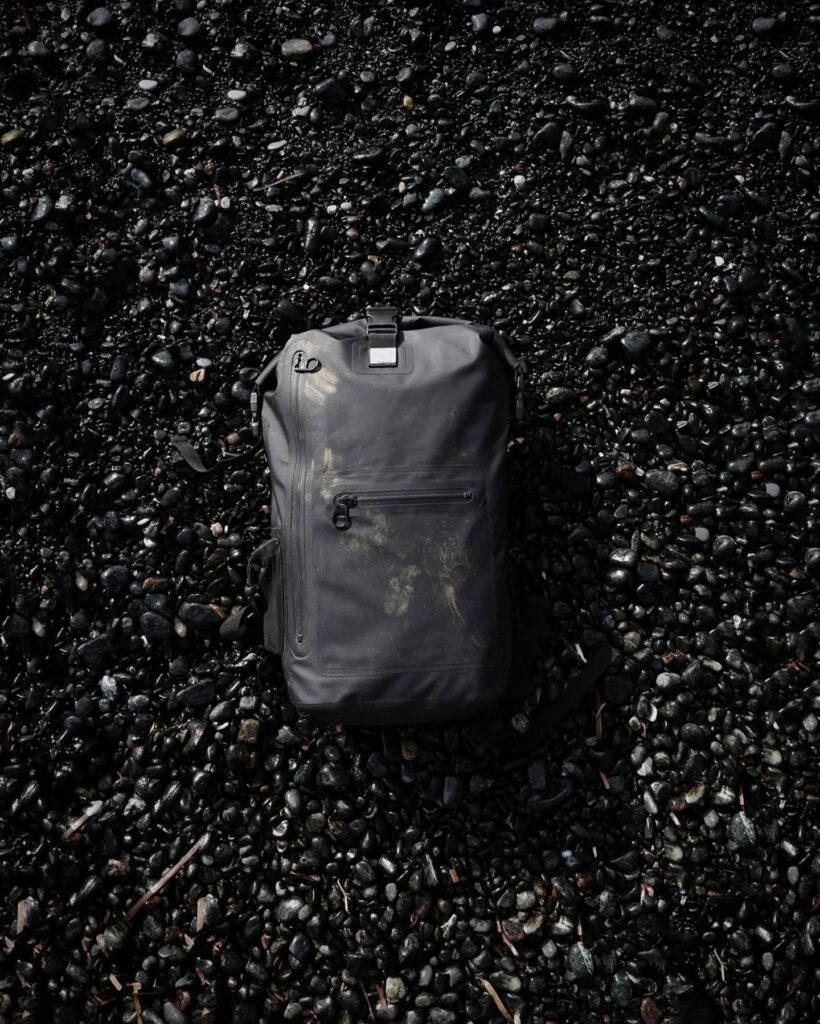
Sustainability significantly influences the bag manufacturing sector. Eco-friendly practices are more than a trend; they represent a shift towards responsibility in production.
Sustainability in Bag Production
Sustainability in bag production focuses on using eco-friendly materials and ethical manufacturing practices. Manufacturers increasingly turn to recycled and biodegradable materials. Recycled PET (rPET) plastics, organic cotton, jute, and plant-based leathers are some popular choices.
The shift towards water-based adhesives and low-impact dyes reduces harmful emissions in the production process. Moreover, companies actively implement waste management strategies to decrease fabric scraps and recycle leftover materials. These adaptations not only benefit the environment but also align with consumer preferences for sustainable products.
| Material Type | Description |
| Recycled PET (rPET) | Made from recycled plastic bottles, reducing waste |
| Organic Cotton | Grown without pesticides, promoting agricultural health |
| Jute | A natural fiber that’s biodegradable and renewable |
| Plant-based Leathers | Alternatives to animal leather with less environmental impact |
Innovations in Designs and Materials
Innovations in designs and materials play a vital role in the evolving bag manufacturing landscape. Designers incorporate functional and stylish elements that attract diverse consumer segments. Customization, in particular, enhances brand identity, allowing companies to offer unique bags that resonate with their target market.
Moreover, advancements in technology enable the creation of smart bags that integrate features like charging ports and anti-theft mechanisms. These innovative solutions address modern consumers’ needs and elevate user experiences. As a leading bag supplier, I prioritize exploring these trends and how they apply to my customers’ demands.
For additional insights into sustainable practices and innovative designs in the bag manufacturing sector, I recommend visiting Pecbag.
Conclusion

Finding the right bag supplier is a crucial step in elevating your brand. It’s not just about price; it’s about establishing a partnership that resonates with your vision. By focusing on quality materials, production capacity, and design capabilities, you can make an informed choice that meets your needs.
I encourage you to explore the options available and take the time to evaluate potential suppliers thoroughly. Whether you prioritize sustainability or unique design, there’s a supplier out there that aligns perfectly with your goals. Remember that this decision can significantly impact your brand’s success, so choose wisely.




 English
  Spanish
  German
  French
  Russian
  Portuguese
  Italian
  Polish
  Swedish
  Finnish
  Danish
  Greek
Greek