

Johdanto
A body bag isn’t just a simple container—it’s a specialized tool with a critical purpose. Designed to securely transport and store human remains, body bags are essential in fields like forensic science, emergency response, and funeral services.
But they serve more than just containment. Body bags help prevent contamination, maintain dignity, and ensure safe handling in challenging situations, whether it’s a disaster zone, a crime scene, or a hospital morgue.
For those procuring body bags in bulk, such as disaster response teams or funeral suppliers, it’s crucial to focus on the details.
Understanding the technical specifications, material durability, and expertise offered by specialized manufacturers like those producing waterproof industrial solutions.
Design and Construction

When it comes to body bags, their design and construction are crucial for functionality, durability, and safety. Let’s break it down into two key aspects: materials and structural features, and sizing and capacity.
A. Materials and Durability
Primary Fabrics
- Polyethylene (PE):
- Waterproof and tear-resistant – similar to waterproof bag factory standards for extreme conditions.
- Ideal for bulk procurement in mass-use scenarios, such as hospitals or disaster relief.
- Nylon/Polyester Blends:
- Reinforced durability meets reppu valmistaja construction techniques for high-stress handling.
- Commonly used in high-stress environments like disaster zones or forensic investigations.
- Specialized Materials:
- Anti-microbial fabrics: Prevent the spread of pathogens, ensuring safety in biohazard situations.
- Biodegradable options: Perfect for eco-friendly burials, meeting the needs of environmentally conscious clients.
Rakenteelliset ominaisuudet
- Seams:
- Heat-sealed or double-stitched to prevent leakage of bodily fluids.
- Essential for maintaining hygiene and preventing contamination.
- Sulkeminen:
- Heavy-duty zippers with storm flaps are standard for secure closure.
- Some bags include drawstrings or Velcro for additional protection.
- Handles:
- Reinforced webbing straps (4–6 per bag) allow for safe lifting by multiple personnel.
- Critical for scenarios requiring frequent transportation, such as during disaster recovery efforts.
B. Sizing and Capacity
Standard Dimensions
- Length: 84–96 inches.
- Leveys: 30–36 inches.
- Designed to accommodate adults weighing up to 300 lbs.
Specialized Sizes
- Pediatric Bags:
- Smaller sizes (48–60 inches) for infants and young children.
- Oversized Models:
- Extra-large bags (100+ inches) for larger individuals or to store multiple remains in mass-casualty events.
Mukautettavat vaihtoehdot
- For bulk buyers, customization is key. Options include tailored dimensions, branding, and additional features to meet specific needs.
- Tailored dimensions available – explore diverse sizing solutions erikoistarpeisiin.
Body bags aren’t one-size-fits-all. The materials, structural details, and sizing options are all designed to address diverse challenges, from preserving dignity to ensuring safety in any environment.
Functions and Applications

Body bags are more than just containers—they are essential tools tailored for specific scenarios. Understanding their uses and specialized variants helps ensure they meet the needs of various industries and situations.
A. Primary Uses
1. Forensic and Medical Transport
- Preserving Evidence: Body bags play a critical role in forensic investigations. They secure DNA, trace materials, and other evidence during transit from crime scenes to morgues.
- Preventing Cross-Contamination: In healthcare settings, especially during infectious disease outbreaks, body bags prevent the spread of pathogens and protect staff.
2. Disaster and Emergency Response
- Managing Remains in Crises: First responders rely on body bags to manage remains in large-scale events like earthquakes, floods, terror attacks, or pandemics. Their durability and efficiency are crucial in chaotic environments.
3. Funeral and Burial Processes
- Temporary Storage: Body bags provide a safe and dignified way to temporarily store remains before cremation or burial.
- Biohajoavat vaihtoehdot: Some body bags double as burial shrouds, offering an eco-friendly option for burials.
B. Specialized Variants
1. Biohazard-Resistant Bags
- Enhanced Safety: These bags use thick materials and sealed seams for handling highly contagious remains, such as those infected with Ebola or COVID-19.
- Sealed seams align with waterproof manufacturing expertise.
2. Refrigerated-Transport Compatible Bags
- Designed for Cold Storage: These bags are built to fit mortuary coolers and include insulation to slow decomposition, making them ideal for longer transport or temporary storage.
3. Forensic Bags
- Transparent Panels: Forensic body bags include clear panels that allow visual identification without opening the bag. This maintains evidence integrity while simplifying identification processes.
- Transparent panels require precision production, available through specialized OEM partners.
Recommendations for Bulk Buyers
If you’re purchasing body bags in bulk, focus on the specific needs of your organization:
- Biohazard-Resistant Bags: Ideal for hospitals, healthcare facilities, and pandemic preparedness.
- Biodegradable Models: A great choice for funeral homes or eco-conscious burial services.
- Forensic Variants: Perfect for crime scene investigations and forensic labs.
By selecting the right type, you ensure safety, efficiency, and the dignity of the process.
Color Coding and Symbolism
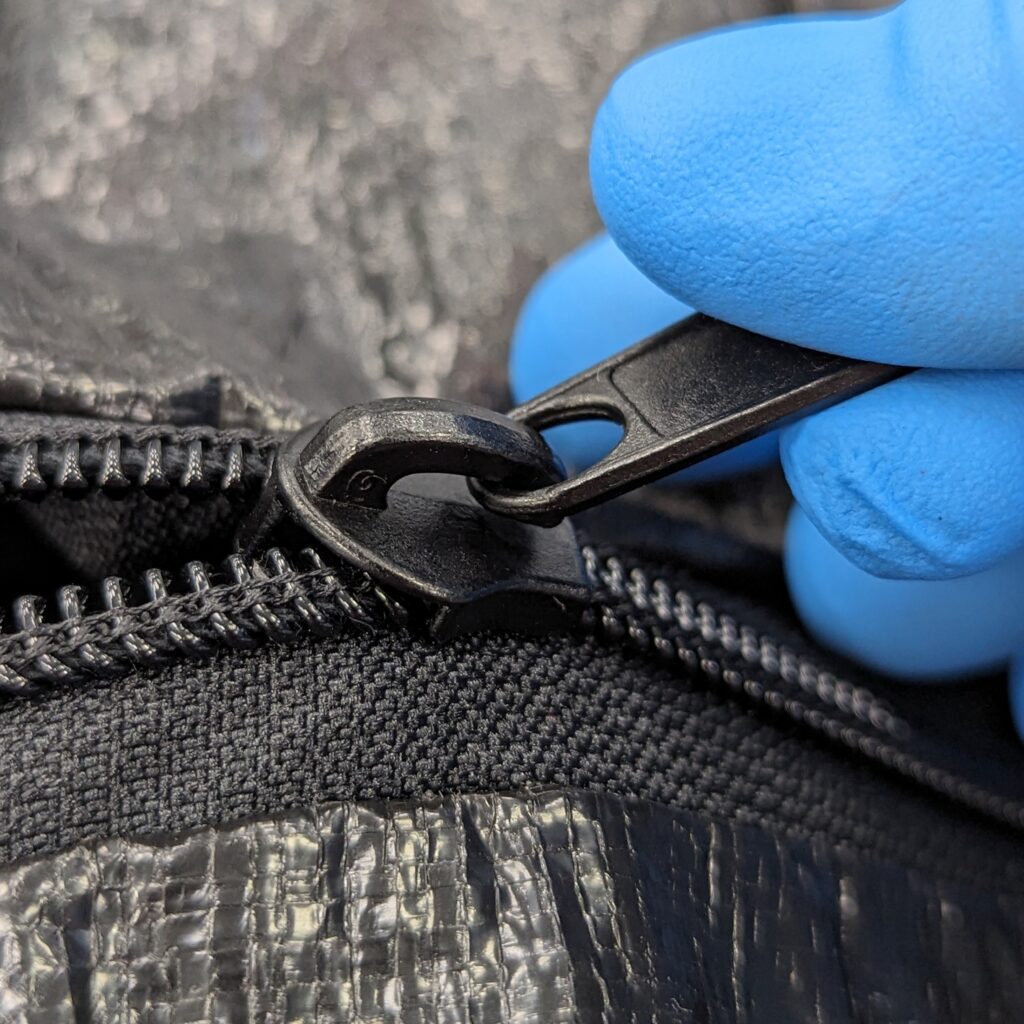
The color of a body bag is more than just an aesthetic choice—it serves practical, cultural, and symbolic purposes. Understanding the meaning behind color coding can help clients select the right options for their specific needs.
A. Color Meanings in Practical Use
| Väri | Typical Application | Käyttötarkoitus |
| Black | General use (morgues, hospitals) | Conceals stains and ensures universal dignity. |
| White | Pediatric cases or religious contexts | Symbolizes purity and aligns with cultural norms. |
| Orange/Red | Biohazard or infectious remains | High-visibility warning for hazardous pathogens. |
| Green | Environmental burials | Indicates biodegradable materials for eco-friendly burials. |
B. Cultural and Regional Variations
- Cultural Preferences:
- In many cultures, white or neutral tones are preferred as a sign of respect and to honor the deceased.
- These colors symbolize purity and peace, particularly in religious or ceremonial contexts.
- High-Visibility Needs:
- In disaster zones or emergency response efforts, bright colors like yellow or orange are often used.
- They ensure remains are easily identifiable, even in chaotic or low-visibility conditions.
- Regional Sensitivities:
- Choosing the right color requires understanding the cultural and regional norms of the area where the body bags will be used.
- For example, some clients may request specific colors to respect local traditions or religious practices. Mikä on vartalolaukku
Practical Tip for Bulk Buyers
When selecting body bags in bulk, consider both practical applications (e.g., biohazard safety, environmental needs) and cultural sensitivities. Offering a variety of color options can help meet diverse client demands while maintaining respect and functionality.
Handling and Safety Protocols
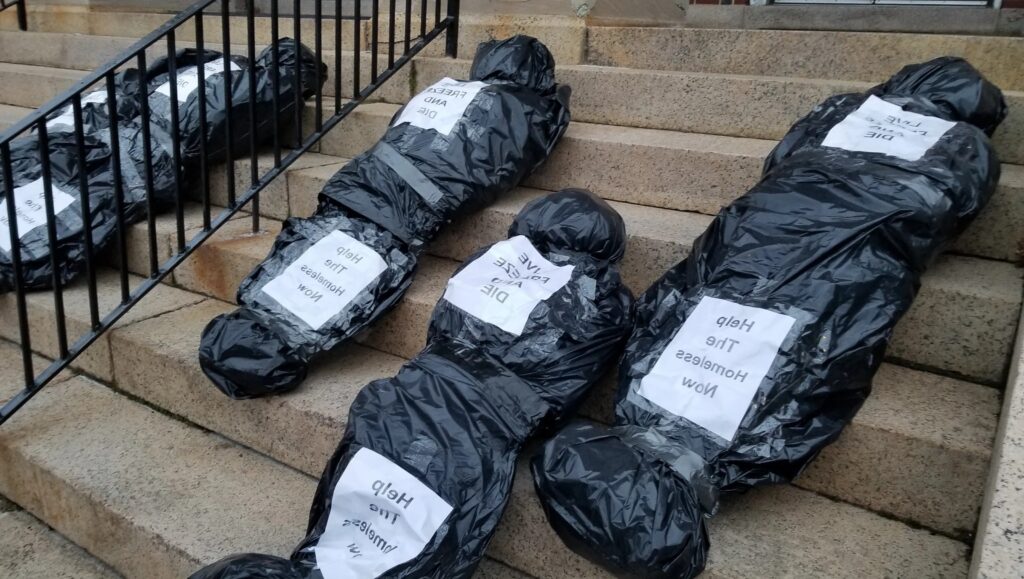
Body bags are essential in sensitive and high-stakes environments, which means proper handling and adherence to safety protocols are non-negotiable. Ensuring correct usage not only protects personnel but also preserves the dignity of the deceased.
A. Proper Usage Guidelines
1. Lifting and Transport
- Teamwork Required:
- A minimum of 2–4 personnel should handle the bag to evenly distribute weight and reduce the risk of tearing.
- Handles must be used properly, leveraging their reinforced design for safety.
- Avoid Dragging:
- Dragging a body bag can damage seams, leading to leaks or structural failure.
- Use stretchers, carts, or other transport equipment for mobility in morgues, hospitals, or disaster zones.
2. Decontamination
- Non-Disposable Bags:
- Must be sterilized with industrial-grade disinfectants, such as bleach solutions, between uses.
- Essential in healthcare and forensic applications to prevent cross-contamination.
- Disposable Models:
- Designed for single use.
- Should be incinerated or disposed of as medical waste following local regulations to prevent biohazard risks.
B. Regulatory Standards
1. OSHA (U.S.) Requirements
- The Occupational Safety and Health Administration (OSHA) mandates the use of puncture-resistant, fluid-impermeable body bags for handling biohazardous remains.
- These standards are critical in healthcare and emergency settings to protect against fluid leaks and pathogen exposure.
2. WHO Guidelines
- The World Health Organization (WHO) emphasizes the use of certified body bags in pandemic responses.
- These bags are specifically designed to limit pathogen transmission, especially for remains infected with highly contagious diseases like Ebola or COVID-19.
Practical Considerations for Bulk Buyers
- Compliance Matters: Buyers operating across multiple regions must ensure their products meet international standards, including OSHA and WHO guidelines.
- Safety First: Prioritize bags with reinforced seams, fluid-impermeable materials, and biohazard certifications for high-risk scenarios.
By following these handling and safety protocols, organizations can ensure the safety of their personnel, meet regulatory standards, and maintain the dignity and respect of the deceased.
Myths and Misconceptions
Body bags often carry a sense of mystery and stigma, leading to numerous misconceptions. Let’s debunk some of the most common myths and clarify their practical use and safety.
A. Common Misunderstandings
1. “Body Bags Are Only for the Deceased”
- Myth: Body bags are exclusively used for transporting deceased individuals.
- Fakta: While their primary purpose is for the deceased, body bags have occasionally been used in emergency medicine.
- For example, in war zones or disaster areas, severely injured individuals have been placed in body bags to stabilize their body temperature or protect them during transport. Though rare, this highlights the versatility of body bags in critical situations.
2. “All Body Bags Are Disposable”
- Myth: Everybody’s bag is intended for one-time use and then discarded.
- Fakta: Many morgues and hospitals use reusable models made from durable, nylon-reinforced materials.
- These bags undergo rigorous sterilization processes to ensure they are safe for repeated use.
- Reusable options are cost-effective and environmentally friendly, making them a preferred choice for bulk procurement in certain industries.
B. Cultural Stigma
1. Fear of Contamination
- Väärinkäsitys: Body bags are inherently “contaminated” and pose a risk to handlers.
- Reality: Proper handling and adherence to safety protocols ensure zero risk of pathogen transmission.
- High-quality body bags are designed with sealed seams and biohazard-resistant materials, providing a secure barrier.
- This misconception often arises from a lack of education about how body bags are manufactured and handled.
2. Addressing Misunderstandings
- Education is Key: Bulk buyers and handlers benefit from educational resources that explain the safe handling of body bags.
- Training programs can reduce fear and promote the correct use of biohazard-resistant or reusable models.
By addressing these myths, industries can improve safety practices, reduce stigma, and ensure the effective use of body bags in their intended applications.
Innovations and Future Developments

The body bag industry has evolved significantly, with emerging technologies and humanitarian efforts driving innovation.
These advancements aim to enhance functionality, sustainability, and accessibility, ensuring body bags meet the demands of modern challenges.
A. Technological Advances
1. Smart Body Bags
- RFID Integration:
- Body bags equipped with RFID tags enable efficient identification and tracking of remains, especially in mass casualty events or disaster zones.
- These tags streamline logistics, ensuring that remains are properly documented and accounted for.
- Temperature Sensors:
- Advanced models incorporate temperature sensors to monitor decomposition rates during transport or storage.
- This feature is valuable for forensic investigations and long-distance transfers, improving data accuracy for handling remains.
2. Sustainability
- Biohajoavat materiaalit:
- New body bags made from materials like hemp-PLA blends decompose naturally in soil within 6–12 months.
- These eco-friendly options cater to the rising demand for sustainable funeral practices and reduce the environmental impact of traditional materials.
B. Humanitarian Improvements
1. The “Better Body Bag” Initiative
- Launched by ELRHA (Enhancing Learning and Research for Humanitarian Assistance), this project focuses on creating:
- Kevyt ja affordable body bags for use in low-resource disaster zones.
- Designs that prioritize ease of use, ensuring remains are handled with dignity even in challenging conditions.
2. Accessibility for Disaster Response
- These innovations are particularly vital for humanitarian organizations operating in developing countries or during large-scale crises, where resources are limited.
Recommendations for Bulk Buyers
- Partner with Innovative Suppliers: Collaborating with manufacturers at the forefront of these advancements allows buyers to access cutting-edge designs.
- Invest in Sustainability: Eco-friendly options not only reduce environmental impact but also align with global trends toward greener practices.
- Consider Technological Features: RFID and temperature-monitoring capabilities are invaluable for organizations managing complex logistics or forensic investigations.
As technology and humanitarian needs evolve, these innovations will continue to enhance the functionality, sustainability, and dignity of body bags, shaping the future of their use.
Miksi kumppaniksi Pecbag OEM / ODM Custom Belt Laukut ja pussit?

When it comes to OEM/ODM manufacturing for belt bags, pouches, and other specialized products, Pecbag stands out as a trusted partner. Here’s why:
1. Tailored Solutions
- Pecbag specializes in fully customizable designs to meet diverse client requirements.
- Services include:
- Personalized branding: Add logos or unique identifiers for corporate or organizational use.
- Specialized sizes: Adaptable dimensions to suit specific applications.
- Material options: Choose from a wide range of durable and functional materials.
2. Quality Assurance
- All products are subjected to rigorous testing to ensure compliance with kansainväliset standardit, such as:
- OSHA (Occupational Safety and Health Administration) for safety and durability.
- WHO (World Health Organization) guidelines for biohazard and medical-grade applications.
- This commitment guarantees reliable performance in any scenario, from disaster relief to everyday use.
3. Sustainability Options
- Pecbag offers ympäristöystävälliset materiaalit, including biodegradable options, for clients focused on environmental responsibility.
- These sustainable solutions are ideal for organizations looking to reduce their carbon footprint while maintaining high-quality products.
4. Global Experience
- Osoitteessa years of expertise in large-scale manufacturing, Pecbag ensures:
- Efficient production timelines: Meeting deadlines without compromising quality.
- Kilpailukykyinen hinnoittelu: Offering cost-effective solutions for bulk buyers.
Why Partner with Pecbag for OEM/ODM Solutions?
Pecbag delivers specialized manufacturing capabilities relevant to protective containment:
- Material Mastery:
Expertise in waterproof polymers and reinforced textiles – see industrial material portfolio. - Custom Production:
Adaptable sizing/seam-sealing techniques – partner with our OEM backpack specialists. - Global Compliance:
Meets OSHA/WHO standards through certified waterproof manufacturing processes.
Päätelmä
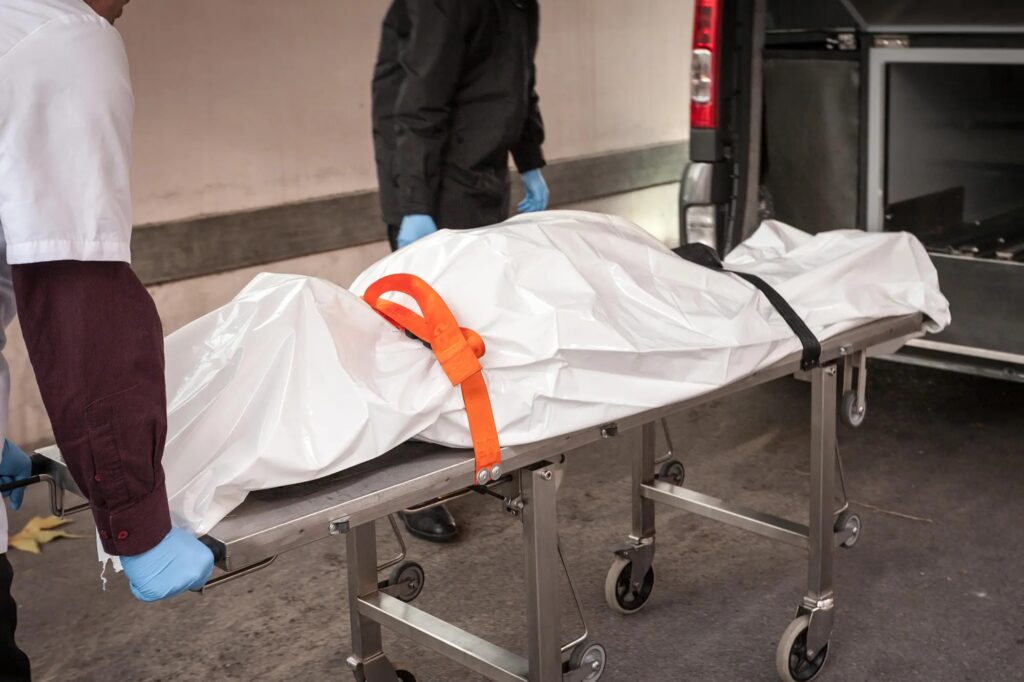
A. Keskeiset asiat
- Toiminnallinen suunnittelu:
- Body bags are meticulously engineered for kestävyys, turvallisuusja hygiene.
- Materials and features, such as biohazard resistance and reinforced seams, are tailored to meet diverse operational contexts.
- Ethical Role:
- Beyond practicality, body bags play an ethical role in balancing containment and safety with respect for the deceased.
- This makes them indispensable in healthcare, forensic science, and emergency response.
- Evolving Needs:
- Innovations in kestävyys (e.g., biodegradable materials) and technology (e.g., RFID tracking) are reshaping their application.
- These advancements cater to modern demands, from eco-friendly burials to smart logistics in disaster management.
B. Final Context
Body bags are more than just containers—they reflect societal values, prioritizing both public health and the dignity of individuals. Their design and use underscore the critical balance between practicality and compassion.
When procuring body bags in bulk:
- Prioritize partners with documented industrial manufacturing expertise
- Vipuvoima innovative vedenpitävät ratkaisut for material durability
- Explore muokattavissa production capabilities for specialized requirements
Every decision in procuring body bags is an investment in safety, dignity, and innovation, ensuring they continue to play a vital role in responding to humanity’s most sensitive challenges.



 English
  Spanish
  German
  French
  Russian
  Portuguese
  Italian
  Polish
  Swedish
  Finnish
  Danish
  Greek
Greek