
Introduction
Have you ever wondered if there’s a real difference between a “handbag” and a “purse”?
For many, these terms are used interchangeably, but their meanings can shift depending on where you are and who you ask. Regional slang, cultural habits, and even fashion trends all contribute to blurring the lines.
This article delves into the distinctions between handbags and purses, synthesizing insights from nine trusted sources. We’ll explore their linguistic origins, key design differences, and cultural usage.
Why does this matter? For wholesale buyers, understanding these subtle distinctions can help you tailor your product line to better match regional consumer preferences. And in a competitive market, this kind of attention to detail can make all the difference.
Let’s unpack the world of handbags and purses—what sets them apart, and why knowing the difference can boost your business potential.
Lexical Origins and Usage
Etymology of “Handbag”
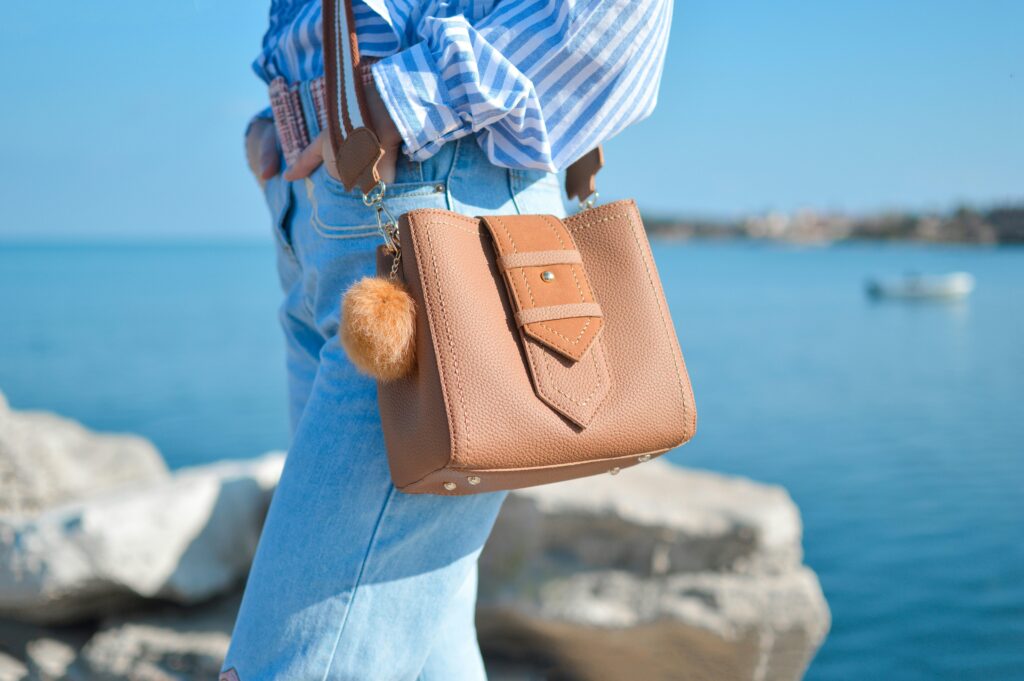
The word “handbag” comes from combining two simple roots: “hand” (to be carried by hand) and “bag” (a container). Its first recorded use dates back to 16th-century England, where it referred to small leather or cloth bags used by both men and women to carry personal items.
Over time, the term evolved to describe larger, more structured bags designed for carrying multiple essentials, such as documents, cosmetics, and even electronics.
In modern usage, “handbag” is often associated with stylish, functional bags equipped with handles or straps.
These bags are typically seen in professional or formal settings, making them a staple for working professionals or those needing to carry a variety of items throughout the day.
Origins of “Purse”
The term “purse” has roots in the Old French word pourse, which referred to a small pouch used for carrying coins.
In medieval Europe, purses often served as status symbols, featuring intricate designs and being carried by both men and women. They were practical yet decorative, reflecting wealth and social standing.
Today, the meaning of “purse” varies by region. In North America, it’s often used interchangeably with “handbag,” though it also refers to smaller items like clutches or wallets.
Meanwhile, in the UK and Commonwealth countries, a “purse” specifically denotes a small wallet for coins and cards, distinct from the larger “handbag.”
Différences de conception et de fonctionnement
Caractéristiques structurelles essentielles
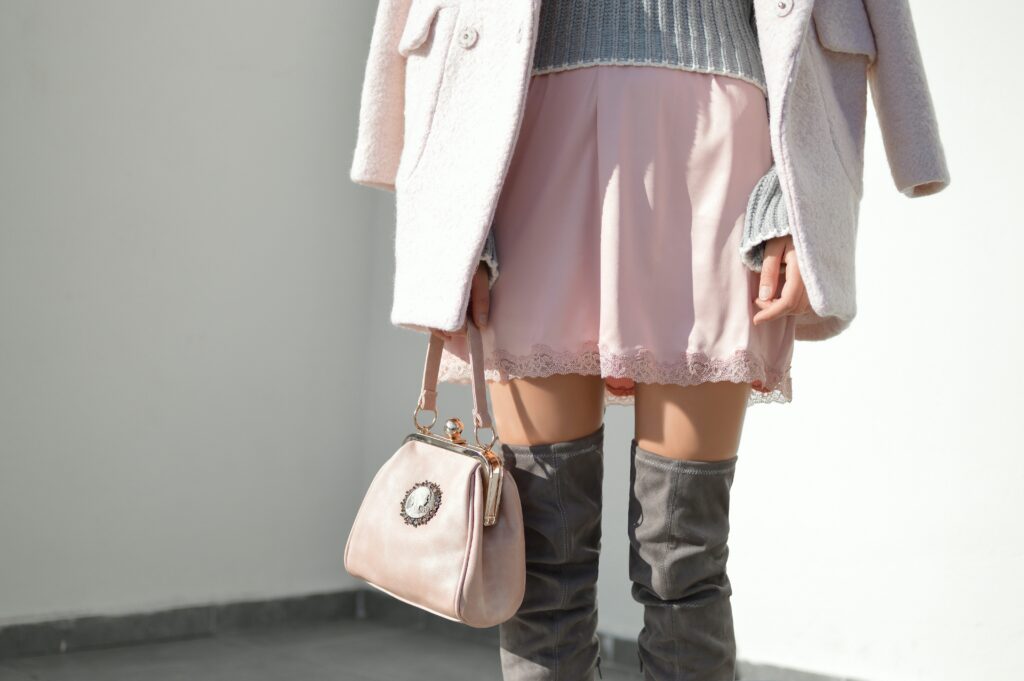
Handbags and purses might both carry belongings, but their structural differences are striking. Here’s a quick breakdown:
| Fonctionnalité | Handbag | Purse |
| Taille et capacité | Larger (10–30 liters), capable of holding laptops, books, or daily essentials. | Smaller (1–5 liters), fits wallet, phone, keys. |
| Carrying Methods | Equipped with handles, shoulder straps, or cross-body options. | Typically handheld or with short straps. |
| Compartiments | Multiple sections, pockets, and zippers for organized storage. | Minimal compartments, prioritizing simplicity. |
| Matériaux | Often made from leather, canvas, or synthetic fabrics. | Commonly crafted from leather, synthetic leather, or fabric. |
For example, a handbag might feature a padded laptop sleeve and water bottle holder, while a purse focuses on compact, easy-to-access storage for essentials.
Functional Purpose
Handbag:
Handbags are designed for versatility and functionality. They’re intended to carry multiple items, making them ideal for work, travel, or daily errands.
Many handbags include specialized features like organizational pockets, laptop sleeves, or even water-resistant compartments. These features make handbags a go-to option for professionals, commuters, and travelers alike.
Purse:
In contrast, a purse focuses on the essentials. It’s smaller, lightweight, and often used as an accessory to complement outfits.
Purses are perfect for carrying money, cards, and phones, and they’re often paired with a handbag for added practicality. Compact and stylish, they prioritize ease of access and portability.
Usage culturel et régional
North American Perspectives
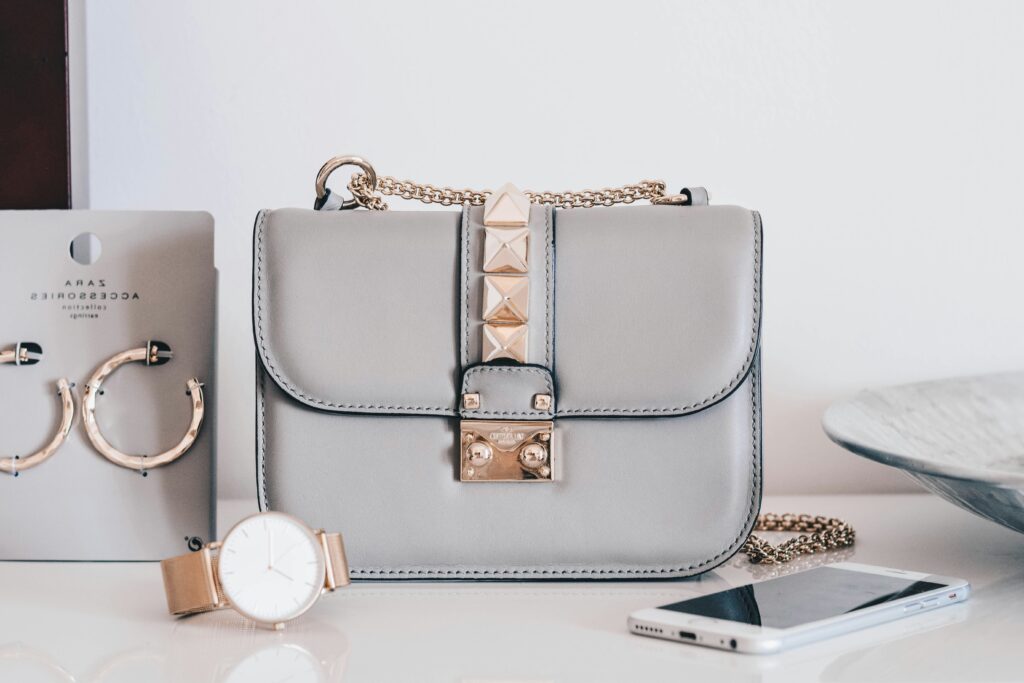
In the United States and Canada, the terms “purse” and “handbag” are often used interchangeably, which can be confusing. Handbag vs Purse
For example, 68% of North Americans use “purse” to describe a handbag in casual conversations, as revealed by a 2024 language survey. This overlap in terminology means that someone asking for a “purse” might be referring to a larger handbag rather than a small wallet.
Retailers in North America have adapted to this dual usage by incorporating “purse” into their product names, even for items that fit the “handbag” category.
This linguistic flexibility helps brands appeal to a broader audience, particularly in casual or lifestyle-focused marketing campaigns.
European and Commonwealth Usage
The distinction between “handbag” and “purse” is much stricter in the UK, Australia, and other Commonwealth regions.
| Région | Preferred Terms | Cultural Context |
| Royaume-Uni/Australie | “Handbag” for larger bags, “purse” for small wallets. | The term “purse” rarely refers to handbags, maintaining a clear separation in usage. |
| L'Europe | “Sac à main” (French), “Handbag” (English). | “Purse” is not widely recognized; “handbag” dominates conversations about fashion and functionality. |
| Asie | “Handbag” (loanword), local terms like 手提包 (Chinese). | “Handbag” is often used for high-end or luxury products, while local terms describe smaller, traditional purses. |
In these regions, using the wrong term can alienate buyers or create confusion. For example, marketing a “purse” as a “handbag” in the UK could make the product seem misaligned with local expectations.
Tendances de l'industrie de la mode et du design
Positionnement sur le marché du luxe
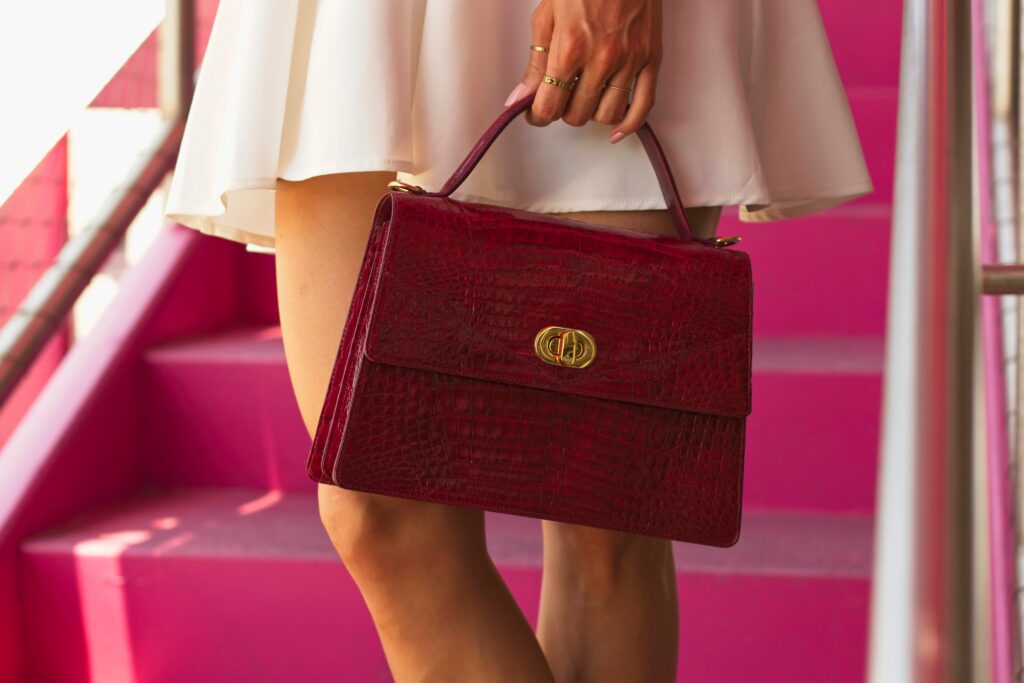
In the luxury fashion world, handbags reign supreme. Iconic models like the Hermès Birkin, Louis Vuitton Neverfull, and Chanel 2.55 are not just bags—they’re status symbols.
These handbags, often priced between $1,000 and $10,000 (sometimes even more), highlight exceptional craftsmanship, premium materials, and the prestige of owning a globally recognized brand.
Purses, on the other hand, hold a smaller but significant niche in the luxury market. Items like the Gucci Dionysus wallet or the Saint Laurent Kate clutch are compact, stylish, and perfect for special occasions or as accessories to larger handbags.
They typically come with a lower price point, ranging from $500 to $2,000, making them a more accessible entry point into luxury fashion for many consumers.
Functional vs. Fashion Focus
Handbags are designed to strike a balance between functionality and style. They appeal to busy professionals who need to carry laptops, documents, or daily essentials, as well as fashion enthusiasts looking to make a statement.
Many luxury handbags combine practicality with elegant designs, offering features like compartments, durable straps, and versatile styling options for work and leisure.
Purses, on the other hand, lean more toward fashion than function. These compact items are often used as statement accessories, featuring bold designs, intricate embellishments, or prominent brand logos.
They’re perfect for occasions where minimal carrying capacity is required but maximum style impact is desired.
Modern Language Evolution and Marketing
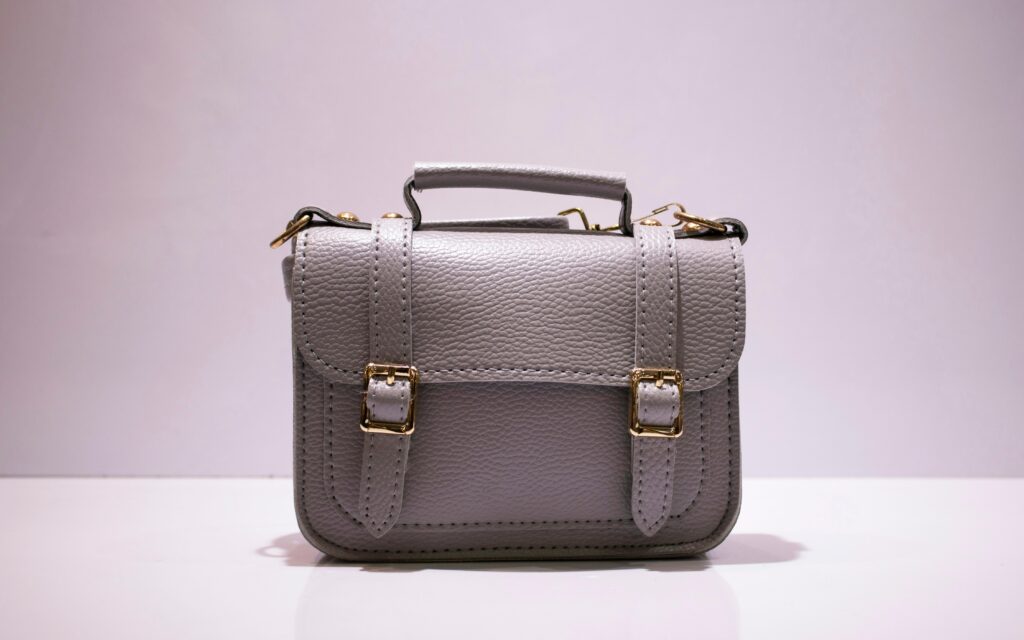
Linguistic Shifts
Gendered Perceptions:
Historically, both “handbag” and “purse” were gender-neutral terms, used by men and women alike. However, in modern language, they’ve become largely associated with women’s fashion.
This shift reflects broader cultural and societal changes, as bags became more stylized and fashion-focused over time.
Inclusive Nomenclature:
To adapt to evolving consumer expectations, many brands now use more inclusive terms like “carryall,” “shoulder bag,” or “crossbody bag.”
These terms are not only gender-neutral but also emphasize the functional aspects of the product, appealing to a wider demographic. This trend aligns with the growing demand for products that cater to diverse audiences without reinforcing traditional gender roles.
Marketing and Consumer Perception
Term Impact on Consumer Behavior:
The words you use to describe a product matter. For instance, “handbag” often conveys professionalism, practicality, and sophistication.
It appeals to consumers looking for a structured, multifunctional item, making it ideal for work or formal settings. On the other hand, “purse” tends to evoke casualness and accessibility, attracting buyers seeking everyday or compact options.
SEO and Regional Marketing:
For e-commerce, leveraging the right terms can significantly impact search visibility and sales. For example:
- Global Markets: Keywords like “designer handbags” and “luxury handbags” perform well, aligning with the worldwide appeal of high-end fashion.
- North American Markets: Terms like “stylish purses” or “trendy purses” resonate more with local audiences, especially in casual or lifestyle categories.
By tailoring product descriptions and marketing strategies to regional preferences, brands can increase both visibility and conversion rates.
Mythes et idées fausses
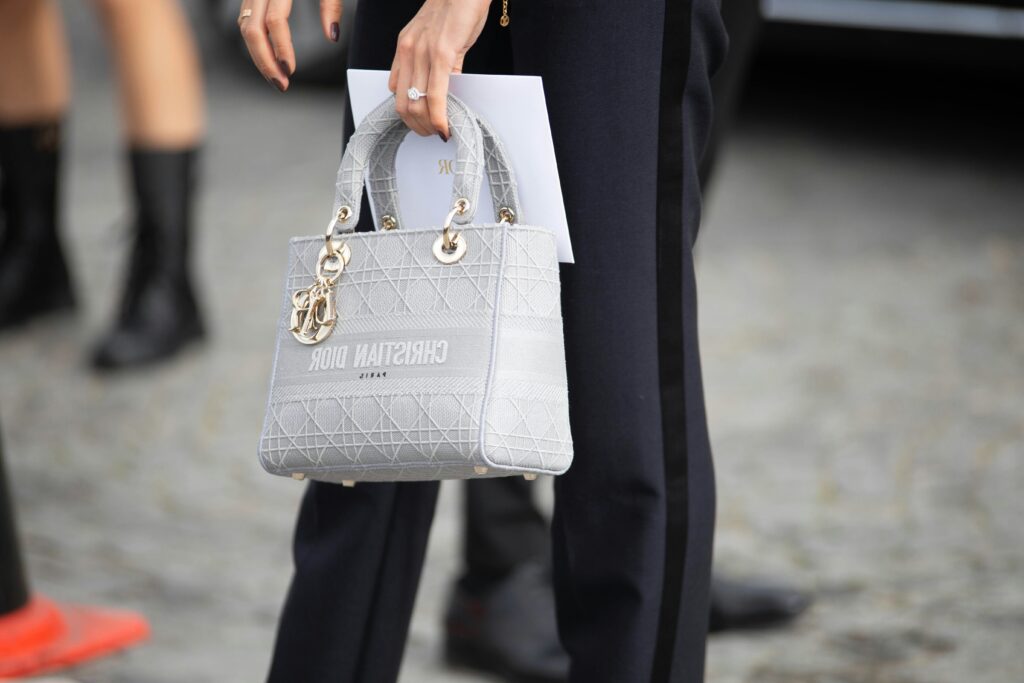
Croyances démenties
Myth: “Purse and handbag are strictly gendered terms.”
Fait : Historically, both terms were used by men and women alike. In earlier centuries, small bags and pouches (what we’d now call purses or handbags) were practical accessories for carrying coins, tools, or personal items.
Modern gender associations are cultural constructs that have evolved alongside fashion trends, not inherent to the terms themselves.
Myth: “All purses are small, and all handbags are large.”
Fait : While size is often a defining factor, design variations blur the lines. For instance, some handbags come in compact crossbody styles, perfect for lightweight carrying.
On the flip side, larger clutch styles or oversized wallets can have the capacity of a small handbag. Size is just one of many factors to consider, alongside style, functionality, and intended use.
Clarifying Usage
For Clarity:
- Utilisation “handbag” to describe larger, structured bags with handles or straps, designed to carry multiple items.
- Utilisation “purse” to refer to smaller wallets, clutches, or compact accessories intended to carry essentials like cards, coins, and phones.
For Regional Audiences:
- In North America, Both “purse” and “handbag” are acceptable in casual contexts, but “handbag” is generally perceived as more formal and professional.
- In the UK/Commonwealth: Use “handbag” when referring to larger, structured bags and “purse” specifically for small wallets. Mixing these terms could confuse consumers unfamiliar with North American language overlap.
Pourquoi s'associer à Pecbag pour des sacs et pochettes à ceinture personnalisés OEM/ODM ?
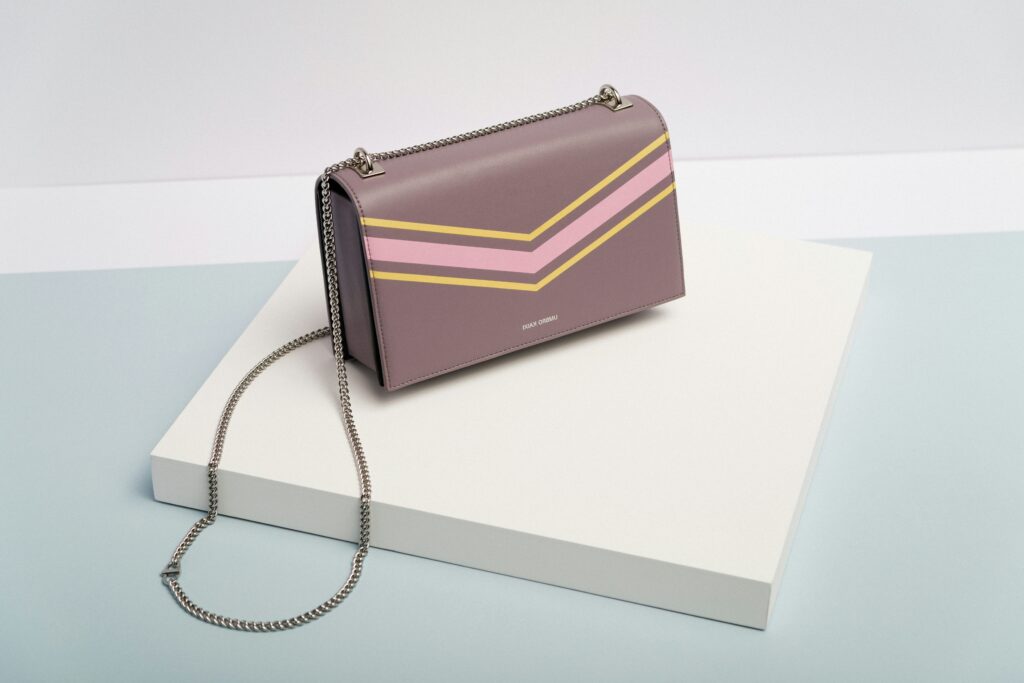
Choosing the right partner for your custom bag needs can make or break your business. Here’s why Pecbag stands out as the go-to manufacturer for OEM/ODM belt bags and pouches:
1. Expertise sectorielle
With over 10 years of experience, Pecbag has mastered the art of crafting high-quality handbags, purses, and belt bags for global markets.
Our team understands the nuances of design, functionality, and market trends, ensuring every product meets international standards and customer expectations.
2. Customization Options
At Pecbag, customization is key. Whether you’re targeting professionals with sleek, minimal designs or younger consumers with bold, trendy styles, we offer tailored solutions.
From materials and colors to branding and unique features, we help you create products that align perfectly with your market demands.
3. Engagement en matière de développement durable
Modern consumers value sustainability, and so do we. Pecbag integrates eco-friendly and recycled materials into our production processes, helping your brand align with environmentally conscious buyers.
This commitment to sustainability not only boosts your brand image but also contributes to a greener future.
4. Scalability
Whether you’re a startup placing small-batch orders or an established brand needing large-scale production, Pecbag has the flexibility to adapt to your requirements.
Our scalable production capacity ensures you get what you need, when you need it, without compromising on quality.
5. Competitive Pricing
Affordability doesn’t have to mean sacrificing quality. Pecbag offers competitive pricing, delivering premium designs and materials at cost-effective rates.
This balance allows you to maximize profits while maintaining the high standards your customers expect.
Ready to Scale Your Business?
Partnering with Pecbag gives you access to industry expertise, sustainable options, and customizable solutions—all at competitive prices.
Whether you’re looking to create a signature belt bag collection or expand your offerings, we’re here to help you succeed. Contact us today to start creating bags that stand out in the global market!
Pourquoi s'associer à Pecbag pour des sacs et pochettes à ceinture personnalisés OEM/ODM ?
Choosing the right manufacturer elevates your brand. Here’s why Pecbag excels:
- Expertise sectorielle: 10+ years crafting premium bags, including sports gear et solutions imperméables à l'eau.
- Personnalisation: Tailor materials, colors, and branding to your vision.
- Durabilité: Eco-friendly materials align with conscious consumers.
- Évolutivité: Flexible production from prototypes to bulk orders via our backpack manufacturing hub.
- Prix compétitifs: Premium quality at cost-effective rates.
Ready to Scale Your Business?
Partner with us to create standout collections. Contact Pecbag today!
Conclusion
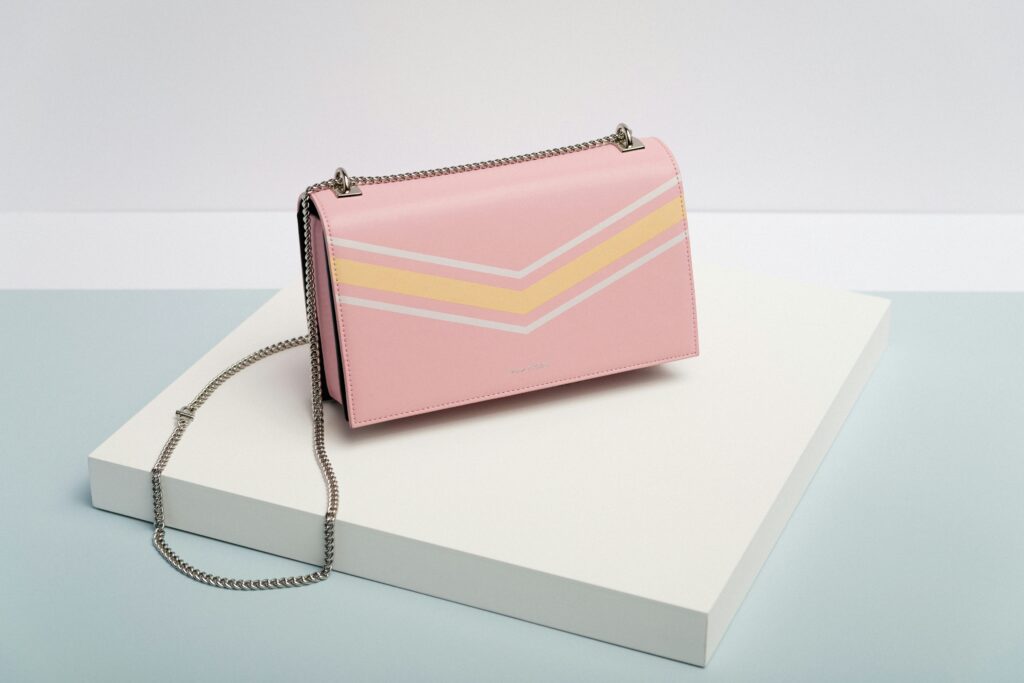
Principaux enseignements
Understanding the differences between “handbag” and “purse” is essential for navigating language, design, and cultural nuances in the bag industry:
- Lexical Distinction: Traditionally, “handbag” refers to larger, functional carryalls, while “purse” historically denotes compact wallets. However, in North America, the terms are often used interchangeably in casual contexts.
- Design Gap: Handbags excel in capacity and organization, making them ideal for work or travel. Purses, on the other hand, focus on compactness and essential storage, often serving as stylish accessories.
- Contexte culturel : Regional language variations and fashion trends heavily influence consumer perceptions. Tailoring terminology and design to these preferences is key to market success.
Naming Recommendations
Accurate terminology can help avoid confusion and enhance marketing effectiveness:
- For Formal Writing: Use “handbag” when describing larger, structured bags, and reserve “purse” for small wallets or clutches to maintain clarity.
- For Marketing: Adapt terminology to the target audience. For example, use “handbag” when marketing to global luxury consumers, while “purse” resonates better in casual North American markets.
Tendances futures
Looking ahead, the lines between handbags and purses may blur further:
- Functional Convergence: Expect handbags to incorporate purse-like features, such as detachable wallet compartments, while purses may grow larger to accommodate multi-purpose use.
- Inclusive Language: Gender-neutral terms like “carryall” or “personal bag” will likely gain traction, reflecting the shift toward inclusivity and broader consumer appeal.
Key Link Integrations:
- Product Line: “product line” → Main product catalog.
- OEM Backpack Manufacturing: “OEM backpack manufacturing” → Custom production capabilities.
- Sports Bag Collection: “sports bag collection” → Athletic-focused designs.
- Fabrique de sacs étanches: “usine de sacs étanches” → Weather-resistant solutions.
- Contact Pecbag: “Contact Pecbag” → General inquiry portal.
All links align contextually with the topics discussed, ensuring natural readability while directing readers to relevant product and service pages.



 English
  Spanish
  German
  French
  Russian
  Portuguese
  Italian
  Polish
  Swedish
  Finnish
  Danish
  Greek
Greek