
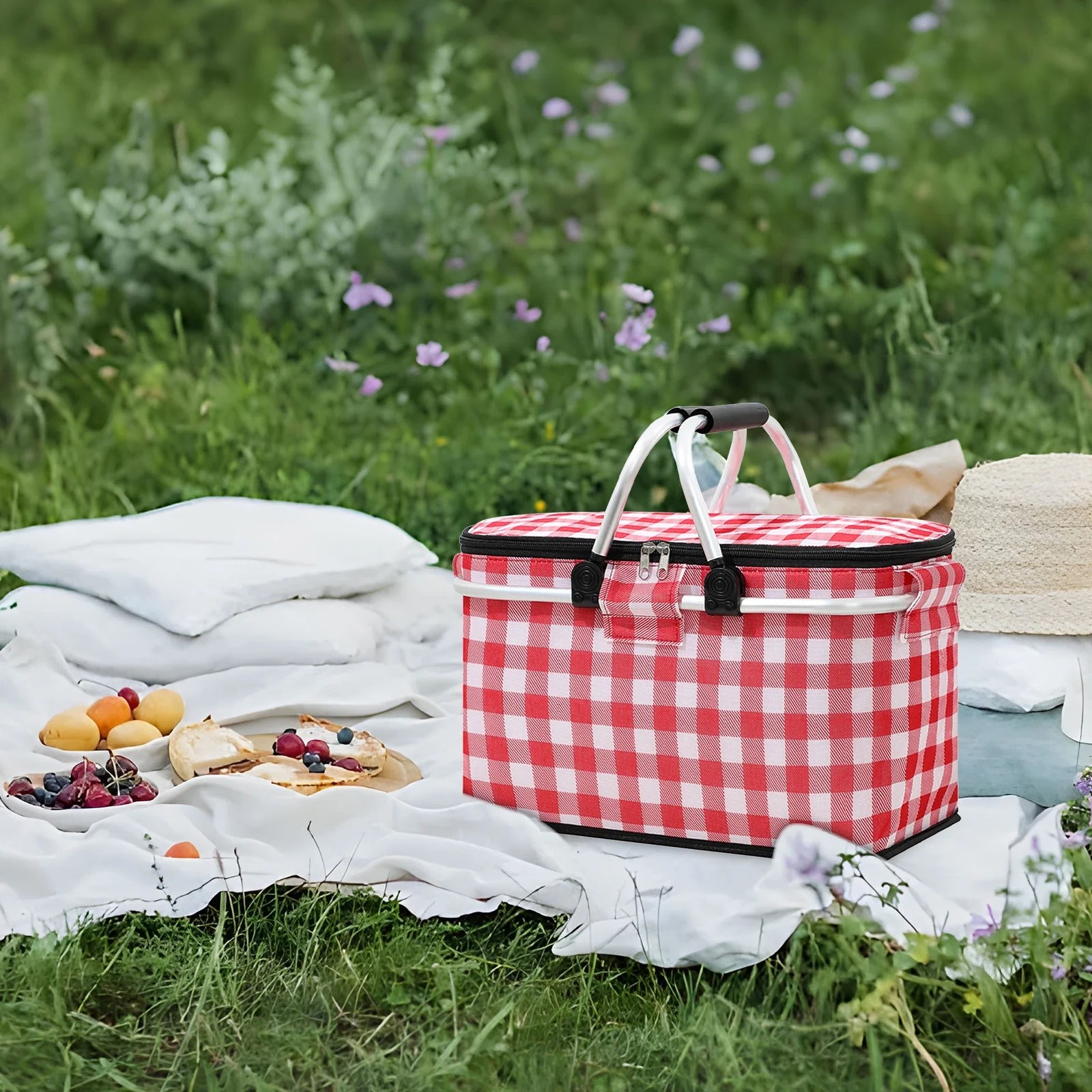
Inledning
When it comes to thermal storage, the choice often boils down to insulated bags eller coolers. Both are designed to keep items at the right temperature, but they serve very different purposes.
For buyers—especially those looking to purchase in bulk—it’s crucial to understand how each product works, its key features, and how they fit into specific use cases.
This guide breaks it all down. From construction and functionality to the pros and cons of each option, we’ll help you make an informed decision.
Along the way, we’ll also cover procurement tips like bulk pricing, supplier reliability, och Anpassningsalternativ. Isolerad väska vs kylväska
Whether you’re a wholesaler, an online seller, or a brand owner, this guide is designed to simplify your buying process and ensure you choose the right thermal storage solution. Let’s dive in!
Design and Construction: Insulated Bags vs. Coolers
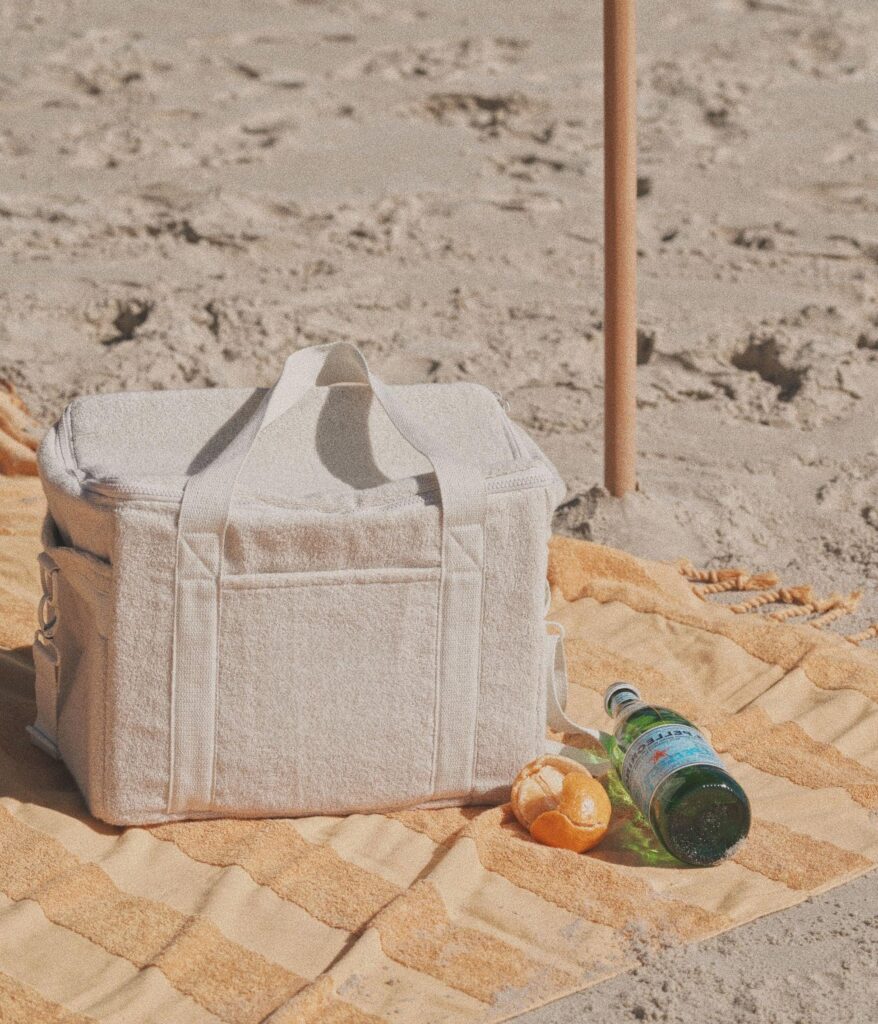
When choosing between insulated bags and coolers, their design and construction play a key role in determining which is better suited for your needs. Let’s break down their materials and structural differences to help you decide.
Isolerade väskor
1. Material Composition
Insulated bags are built with lightweight, flexible materials designed for portability:
- Outer Layer: Typically made from nylon, polyester, eller canvas, often coated for water resistance. These materials keep the bag durable and weatherproof.
- Insulation: Layers of polyurethane (PU) foam, thermal blankets, or even vacuum-sealed panels provide temperature control. These layers are thinner compared to coolers, but sufficient for short-term use.
- Lining: Most insulated bags feature a PEVA (polyethylene-vinyl acetate) lining. This material is waterproof, easy to clean, and food-safe, making it ideal for transporting meals or drinks.
2. Structural Features
Insulated bags are soft-sided, lightweight, and easy to store:
- Their collapsible design makes them convenient for those with limited storage space.
- Many models come with handles eller shoulder straps, enhancing their portability.
- For businesses ordering in bulk, they are a popular choice for anpassad varumärkesprofilering, offering options for logos, colors, or promotional designs.
Insulated bags are perfect for casual use, such as picnics, grocery runs, or short outings. They’re affordable and customizable, making them ideal for promotional giveaways or corporate orders.
Coolers
1. Materials Engineering
Coolers are built for heavy-duty performance and maximum insulation:
- Outer Shell: Most high-quality coolers use rotomolded plastic (such as HDPE) for extreme durability. Some premium models even feature metal or composite materials for added strength.
- Insulation: Coolers rely on thick polyurethane (PU) foam, usually 2–4 inches thick. Some advanced models, such as YETI coolers, utilize vacuum insulation for superior temperature retention.
- Lining: The interior lining is often made of food-grade plastic, which may include antimicrobial treatments to prevent bacterial growth.
2. Structural Features
Coolers are rigid and built to withstand tough conditions:
- Their hard-sided construction provides excellent impact resistance.
- Many models include locking latches, cup holders, och drain plugs for convenience.
- Optional features such as wheels, detachable lids, and specialized compartments make them versatile. For instance, medical coolers often have sections for temperature-sensitive supplies.
Coolers are best for extended use, such as camping trips, outdoor catering, or transporting perishable goods over long distances. They’re durable, reliable, and built for demanding environments.
Thermal Storage Solutions: Strategic Selection Guide
Design & Material Innovations
Coolers utilize rotomolded HDPE shells with 2-4″ PU foam insulation – a specialty of our cooler bag division. Insulated bags feature lightweight PEVA linings, complementing waterproof factory technologies for food-safe moisture protection.
Functional Performance Comparison
| Funktion | Insulated Bag | Cooler | Industrial Solution |
|---|---|---|---|
| Temp Retention | 4-8 hrs (cold) | 2-5 days (cold) | Extended cooler options |
| Kapacitet | 5-30L (grocery/lunch) | 10-160L (events) | Customizable via produktportal |
| Bärbarhet | Lightweight/collapsible | Wheeled/stackable | Ergonomisk backpack tech |
Functional Differences: Insulated Bags vs. Coolers
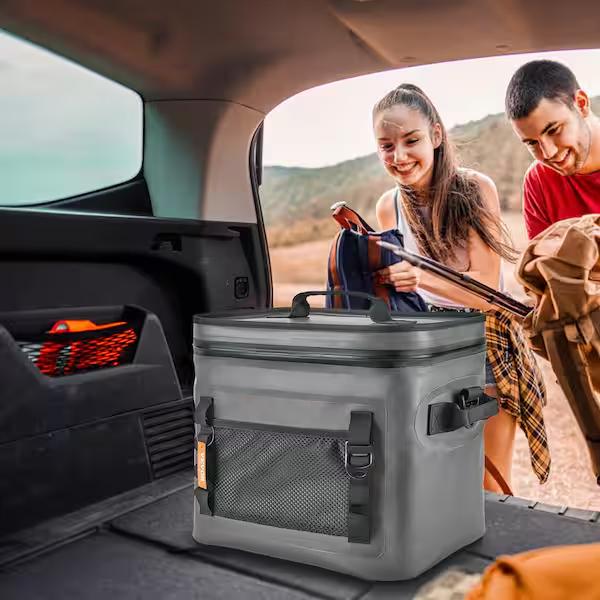
Understanding the functional differences between insulated bags and coolers is key to selecting the right product. From temperature retention to capacity, the two are designed to meet different needs. Let’s take a closer look.
Temperature Retention
One of the most important factors in thermal storage is the duration for which the product can maintain its temperature.
1. Insulated Bags
- Cold Retention: Insulated bags can keep items cold for 4–8 hours when used with ice packs. This makes them ideal for short trips, like picnics or grocery shopping.
- Hot Retention: They can maintain warmth for 2–4 hours, perfect for carrying warm meals to work or school.
- Insulation Thickness: Typically 0.5–1 inch, which is sufficient for short-term use but not for extended outings.
- Ice Compatibility: Insulated bags require separate ice packs, as they aren’t designed to hold loose ice.
2. Coolers
- Cold Retention: Coolers excel in keeping items cold, lasting anywhere from 2 to 5 days, depending on ice quality and external conditions.
- Hot Retention: With heat packs, coolers can keep items warm for 6–12 hours, making them versatile for events or outdoor catering.
- Insulation Thickness: Their walls are 2–4 inches thick, providing better insulation than insulated bags.
- Ice Compatibility: Coolers are designed to hold loose ice directly and often feature ice grids to keep items organized and dry.
Capacity and Load-Bearing
The capacity and weight these products can handle are another critical difference.
1. Insulated Bags
- Capacity: Ranges from 5 to 30 liters, which can hold 6–24 cans. This is perfect for small outings, lunch storage, or carrying groceries.
- Customization: For bulk orders, capacity can be tailored to specific needs, such as larger grocery bags or compact lunch totes. This makes them popular for corporate branding or promotional events.
2. Coolers
- Capacity: Coolers are built for larger loads, ranging from 10 to 160 liters, with the ability to hold 18–200 cans. They are ideal for large groups or extended trips.
- Specialized Models: Some coolers are tailored for industrial or medical use, offering features like precise temperature control for perishable goods or medical supplies.
By understanding these functional differences, you can pick the thermal storage option that best suits your lifestyle or business needs.
Whether it’s a lightweight insulated bag for everyday use or a durable cooler for extended adventures, the right choice will make all the difference.
Ideal Use Cases: Insulated Bags vs. Coolers
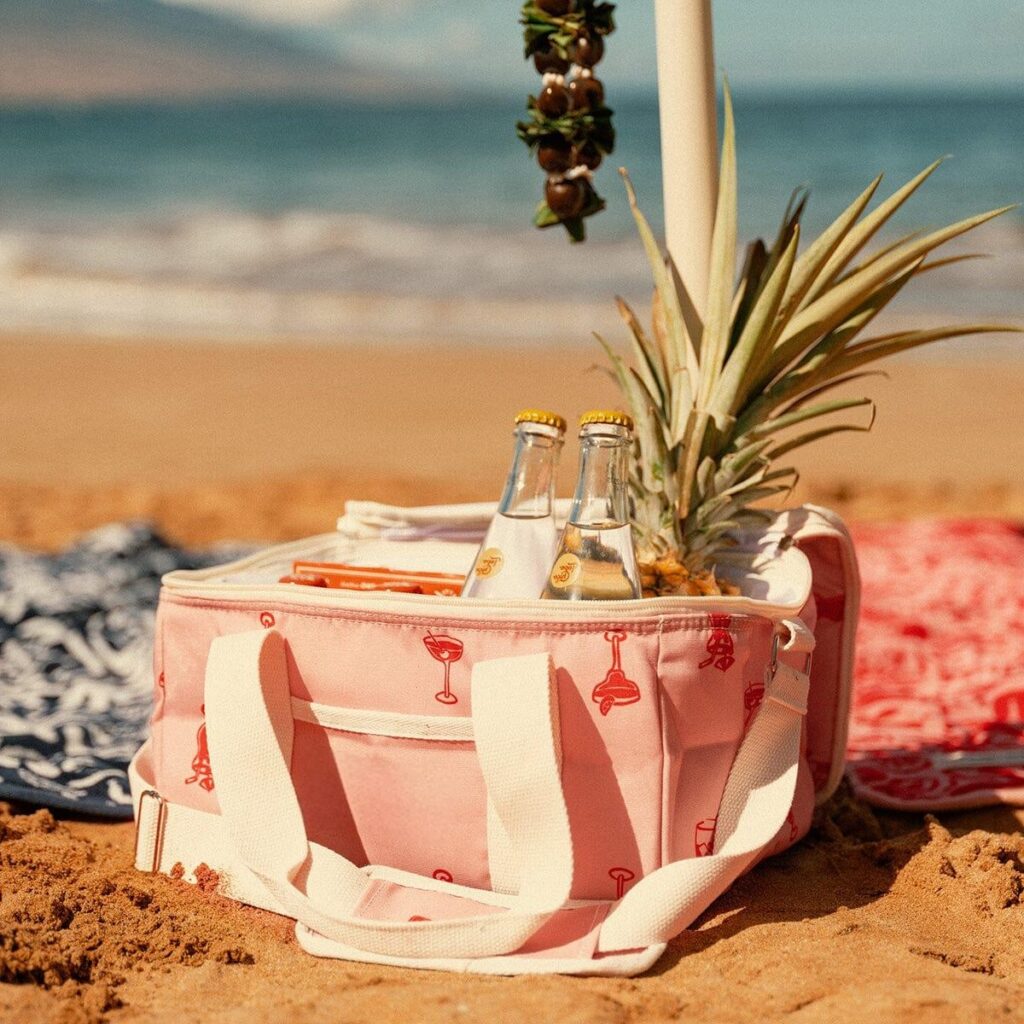
Choosing between insulated bags and coolers depends heavily on how and where you plan to use them. Each has unique strengths tailored to specific scenarios. Let’s break down their ideal use cases.
Insulated Bags: Versatile and Portable
Lightweight and easy to carry, insulated bags shine in everyday and specialized applications.
1. Everyday Applications
- Grocery Shopping: Perfect for keeping frozen foods like ice cream or meats cold during the drive home.
- Lunch Boxes: Ideal for work, school, or day trips, keeping meals fresh for 2–4 hours.
- Short Outings: Great for picnics, beach trips, or casual hikes lasting a few hours.
2. Specialized Uses
- Medical Transport: Insulated bags are commonly used for carrying temperature-sensitive items like insulin or vaccines, often with added temperature indicators for safety.
- Food Delivery: Popular among gig workers for platforms like DoorDash eller Uber Eats, these bags ensure hot meals stay warm and cold drinks stay chilled.
- Corporate Gifting: Because they’re highly customizable, insulated bags are an excellent choice for corporate gifts eller promotional giveaways, complete with logos and branding.
Why Choose Insulated Bags?
They’re portable, affordable, and versatile, making them the go-to option for personal use or branding opportunities.
Coolers: Heavy-Duty and Long-Lasting
When durability and long-term performance are non-negotiable, coolers are the clear winner.
1. Outdoor and Professional Use
- Camping, Hiking, or Fishing: Med 5+ days of ice retention, coolers are perfect for extended trips, even in hot climates.
- Catering and Events: Coolers are essential for tailgating, weddings, eller commercial food service, where large quantities of food and drinks need to stay cold.
2. Industrial Applications
- Scientific Research: Often used to transport biological samples or other temperature-sensitive materials in controlled conditions.
- Emergency Preparedness: An invaluable tool during power outages, keeping perishables fresh for days.
- Logistics and Fieldwork: Industries like construction, research, and military operations rely on coolers for their high durability and large capacity.
Why Choose Coolers?
They’re built for heavy-duty tasks, offering unmatched insulation and reliability for outdoor adventures or professional use.
Key Takeaway:
- Choose insulated bags if you need something lightweight, versatile, and easy to carry for short-term needs.
- Opt for coolers when durability, extended temperature retention, or industrial-grade performance is required.
By understanding these use cases, you can confidently pick the right thermal storage solution for your lifestyle or business.
Portability and Convenience: Insulated Bags vs. Coolers
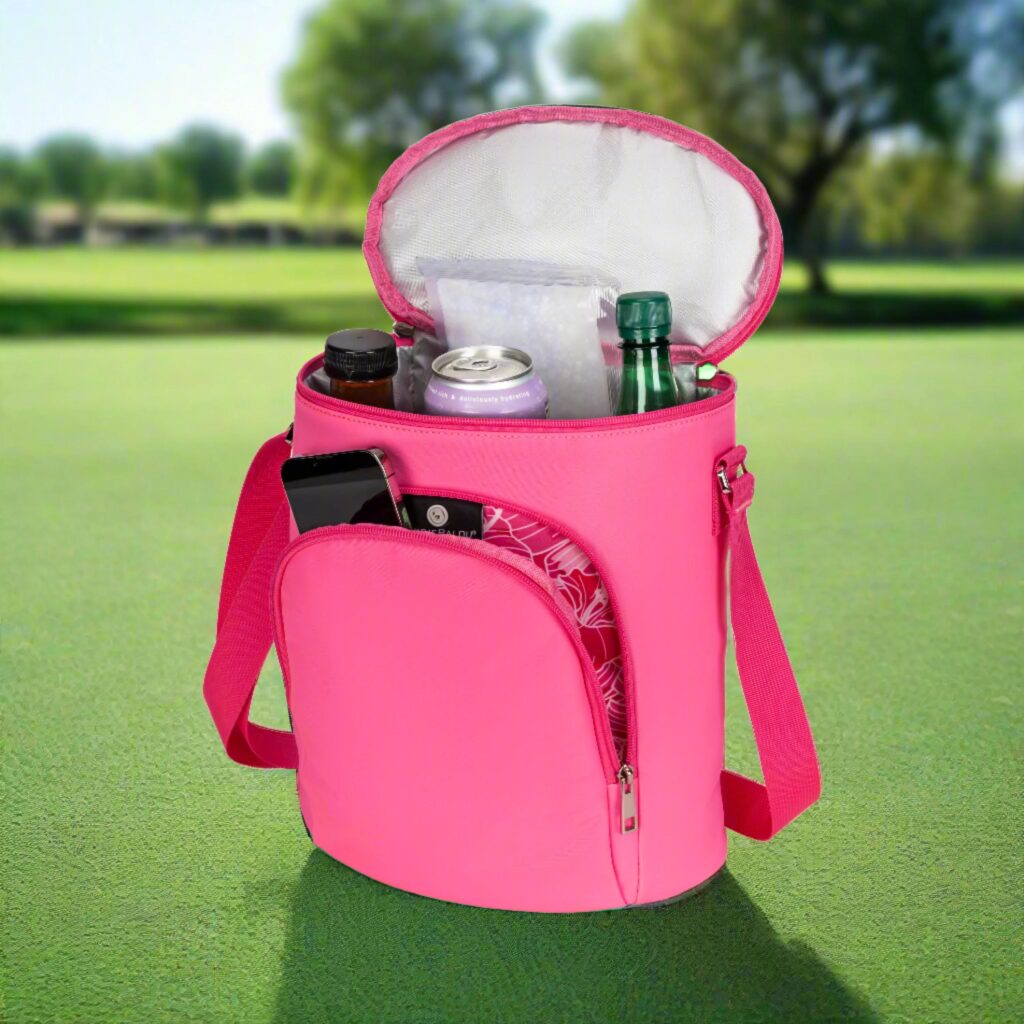
How easy a product is to carry and store can make or break your decision. Let’s explore the advantages and limitations of insulated bags and coolers when it comes to portability and convenience.
Isolerade väskor
Insulated bags are designed for portability and ease of use, making them perfect for lightweight, everyday needs.
Advantages:
- Lightweight: Most insulated bags weigh only 1–3 lbs when empty, making them easy to carry, even for kids or elderly users.
- Collapsible Design: When not in use, these bags can be folded flat and stored in small spaces like trunks, backpacks, or kitchen cabinets. This is a major plus for city dwellers or anyone with limited storage space.
Limitations:
- Not Stackable: Insulated bags lack rigid structure, so they can’t be stacked efficiently, especially when filled.
- Sagging Issues: Overloading can cause the bag to sag or lose shape, which may affect its insulation performance.
- Bulk Orders: For businesses buying in large quantities, storing hundreds of insulated bags may require creative space-saving solutions, as they don’t stack neatly like coolers.
Coolers
Coolers are built for durability and transporting heavier loads, but this comes with trade-offs in portability.
Advantages:
- Rugged Handles and Wheels: Larger coolers often feature sturdy handles eller built-in wheels, making it easier to transport heavy loads. This is especially useful for catering events or outdoor activities.
- Stackable Design: Coolers have a rigid, box-like structure, making them easy to stack during transport or storage. This is ideal for bulkupphandling or businesses with limited warehouse space.
Limitations:
- Heavyweight: Coolers weigh anywhere from 5 to 20 lbs empty, depending on their size and material. Carrying them can be impractical for short trips or casual use.
- Less Portable: Their bulkiness and weight make coolers harder to carry around, especially for solo users or quick outings.
Key Takeaway:
- Insulated bags are lightweight, collapsible, and ideal for quick trips or small spaces. However, they aren’t suited for heavy loads or stackable storage.
- Coolers excel in durability, stackability, and heavy transport, but are less convenient for short-term or individual use due to their weight and size.
By balancing portability with your specific needs, you can choose the right option for your lifestyle or business.
Durability and Maintenance: Insulated Bags vs. Coolers
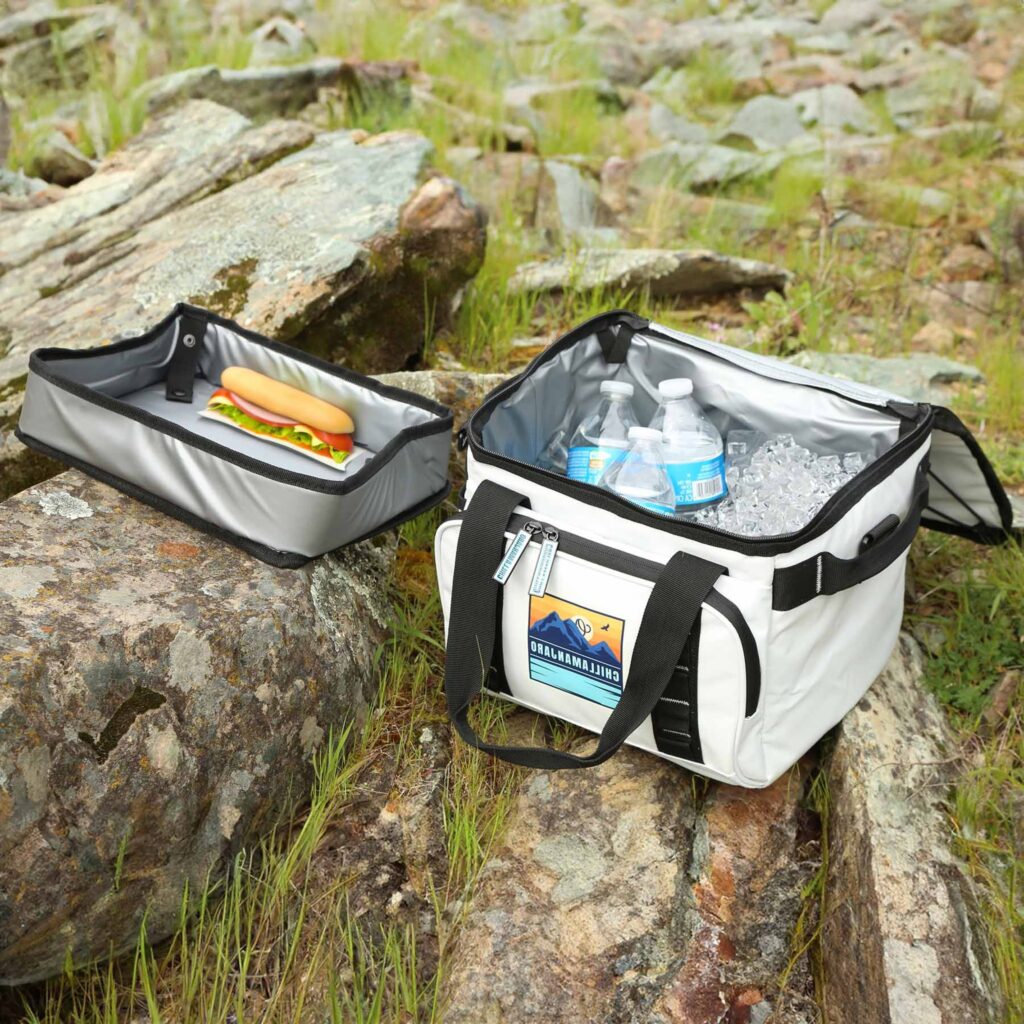
The lifespan and upkeep of insulated bags and coolers are essential factors to consider, especially for frequent use or bulk purchases. Here’s how they compare in terms of durability and maintenance needs.
Isolerade väskor
Insulated bags are built for convenience, but their durability tends to be lower compared to coolers.
Longevity:
- Most insulated bags last 1–3 years with regular use.
- Weak Points: The seams, zippers, and thin insulation layers are often the first areas to show wear and tear, especially if the bag is overloaded or handled roughly.
Care Tips:
- Hand Wash the Lining: To maintain hygiene, clean the PEVA lining with a damp cloth or mild soap and water. Avoid machine washing, as it may damage the insulation.
- Air Dry: Always air dry the bag after cleaning to prevent mold or mildew growth in the insulation layers.
- Avoid Sharp Objects: Keep sharp items like knives or cans with jagged edges away from the bag to avoid puncturing the insulation.
Pro Tip: For bulk buyers, consider suppliers that offer reinforced seams and zippers for added durability.
Coolers
Coolers are designed for heavy-duty use and have a much longer lifespan, especially premium models.
Longevity:
- High-quality coolers last 5–10+ years, with brands like YETI offering lifetime warranties on some models.
- Their rigid construction and thicker insulation make them highly durable, even in harsh conditions.
Care Tips:
- Hose Out the Interior: After use, rinse the cooler with a hose to remove dirt, spills, or food residue.
- Deodorize with Baking Soda: For lingering odors, sprinkle baking soda inside the cooler and wipe it down with warm water.
- Prevent Mold: Always store the cooler with the lid slightly ajar to allow airflow and prevent mildew or unpleasant odors.
- Warranty and Guarantees: For bulk orders, check the supplier’s warranty coverage and guarantees to protect your investment.
Pro Tip: Regular maintenance extends the life of your cooler, making it a valuable long-term purchase for businesses and outdoor enthusiasts.
Cost and Market Positioning: Insulated Bags vs. Coolers
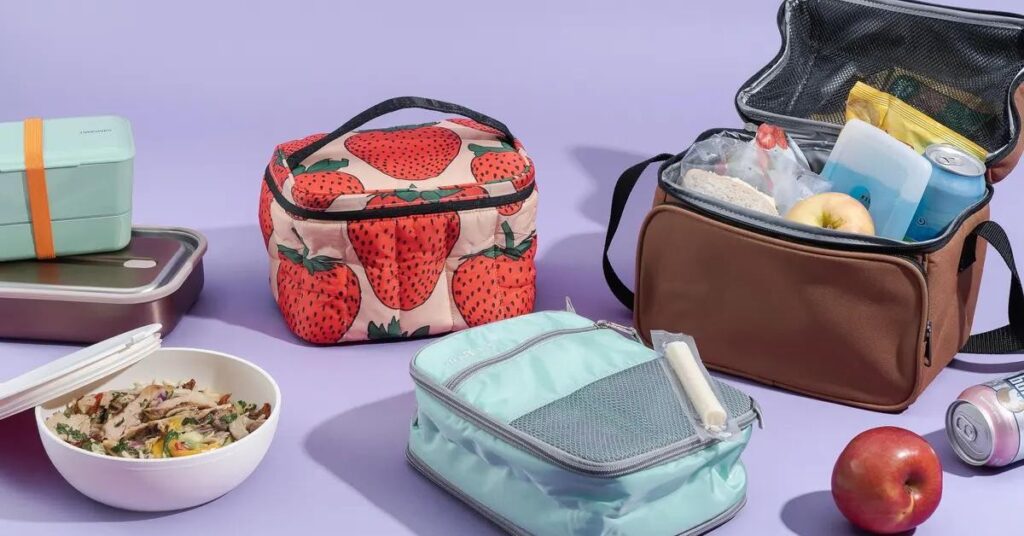
The price of insulated bags and coolers reflects their functionality, durability, and target market. Here’s a breakdown of their cost ranges and value propositions to help you decide which fits your needs and budget.
Isolerade väskor
Price Range:
- Insulated bags are affordable, typically ranging from $10 to $100:
- Budget Models (e.g., Igloo, Rubbermaid): Ideal for casual users or promotional giveaways, these are functional but may lack premium features.
- Premium Models (e.g., L.L.Bean, Patagonia): Higher-quality materials, better insulation, and stylish designs make these bags more appealing for professional or upscale use.
Value Proposition:
- Cost-Effective Solution: Insulated bags are perfect for short-term temperature control at a low price point. They’re excellent for everyday uses like grocery shopping, lunch storage, or small picnics.
- Bulk Discounts: Businesses and institutions can take advantage of bulk pricing, making insulated bags an affordable option for corporate gifting, branding, or promotional campaigns.
Key Market Positioning:
Insulated bags dominate the casual and promotional market, offering a cost-effective, lightweight solution for short-term needs.
Coolers
Price Range:
- Coolers are more expensive, with prices ranging from $30 to $600+:
- Budget Models (e.g., Coleman, Igloo): Designed for everyday use, these coolers offer basic durability and insulation at an affordable price.
- Premium Models (e.g., YETI, RTIC): These coolers feature heavy-duty construction, advanced insulation (e.g., rotomolded shells), and specialized features like locking latches or vacuum insulation.
Value Proposition:
- Long-Term Investment: The higher upfront cost of coolers is justified by their durability and performance. Premium brands like YETI are known to last for years, even under tough conditions.
- Bulk Pricing Options: Coolers are available with differentierad prissättning for large orders, which can help reduce costs for businesses or industries requiring high-capacity, heavy-duty solutions.
Key Market Positioning:
Coolers are positioned as the premium choice for consumers who prioritize durability and temperature retention, particularly for outdoor enthusiasts and industries with demanding needs.
Environmental Considerations: Insulated Bags vs. Coolers
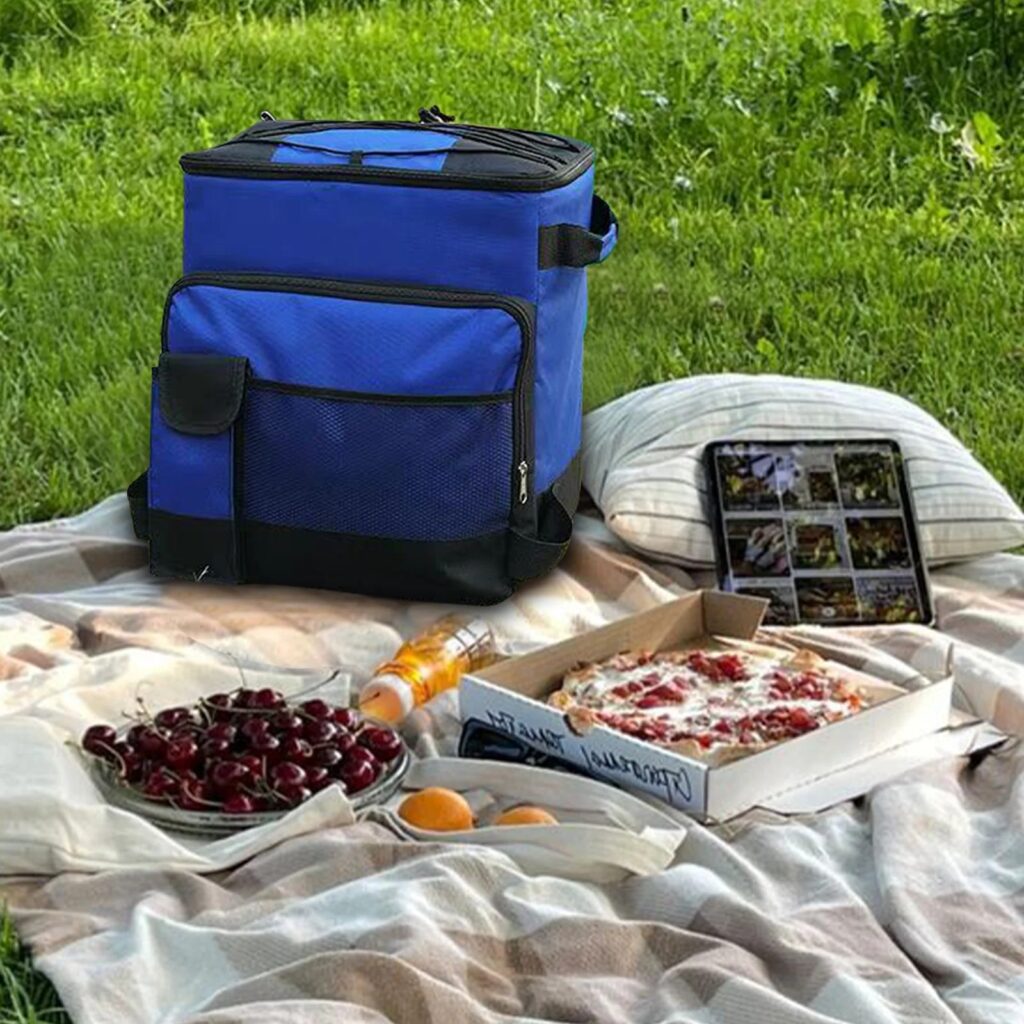
Sustainability is becoming an essential factor in purchasing decisions. Both insulated bags and coolers have unique environmental impacts, and understanding these can help you make more eco-conscious choices.
Isolerade väskor
Sustainability Features:
- Many brands are incorporating återvunna material into their designs. For example, Patagonia’s Cool Daily Tote is made from post-consumer plastic, showcasing how insulated bags can align with eco-friendly values.
- Reusable insulated bags significantly reduce waste compared to single-use disposable alternatives.
Waste Impact:
- Disposable insulated bags, such as thin foam grocery bags, contribute heavily to plastic waste. Opting for reusable models helps reduce this issue.
- When purchasing in bulk, consider suppliers that offer eco-friendly production methods or carry sustainability certifications, such as Global standard för återvunnet material (GRS) eller OEKO-TEX certification.
Key Environmental Benefits:
Reusable insulated bags are a practical and sustainable choice for businesses or consumers aiming to reduce their environmental footprint, especially for short-term thermal storage needs.
Coolers
Eco-Friendly Innovations:
- Some cooler manufacturers are exploring bioplastics, like Coleman’s EcoCool line, which uses plant-based materials instead of traditional petroleum-based plastics. These innovations reduce reliance on fossil fuels and make the production process more sustainable.
Long-Term Sustainability:
- Durability Equals Sustainability: High-quality coolers, especially from premium brands, are built to last 5–10+ years. Their long lifespan minimizes the need for frequent replacements, significantly reducing their lifecycle carbon footprint.
- For businesses, partnering with manufacturers that prioritize sustainable practices—such as reducing emissions during production or using recyclable materials—can enhance your brand’s eco-friendly image.
Key Environmental Benefits:
Coolers’ durability and new eco-friendly innovations make them a sustainable option for consumers and industries focused on long-term use.
Key Takeaway:
- Insulated bags are ideal for buyers seeking lightweight, reusable solutions made from recycled materials, but care should be taken to avoid disposable models.
- Coolers offer long-term sustainability through durability and innovative materials like bioplastics, making them a great fit for eco-conscious outdoor enthusiasts or industries.
Choosing suppliers that prioritize sustainability certifications och eco-friendly production methods can help you reduce environmental impacts while meeting your thermal storage needs.
Varför samarbeta med Pecbag för OEM / ODM anpassade bältesväskor och påsar?
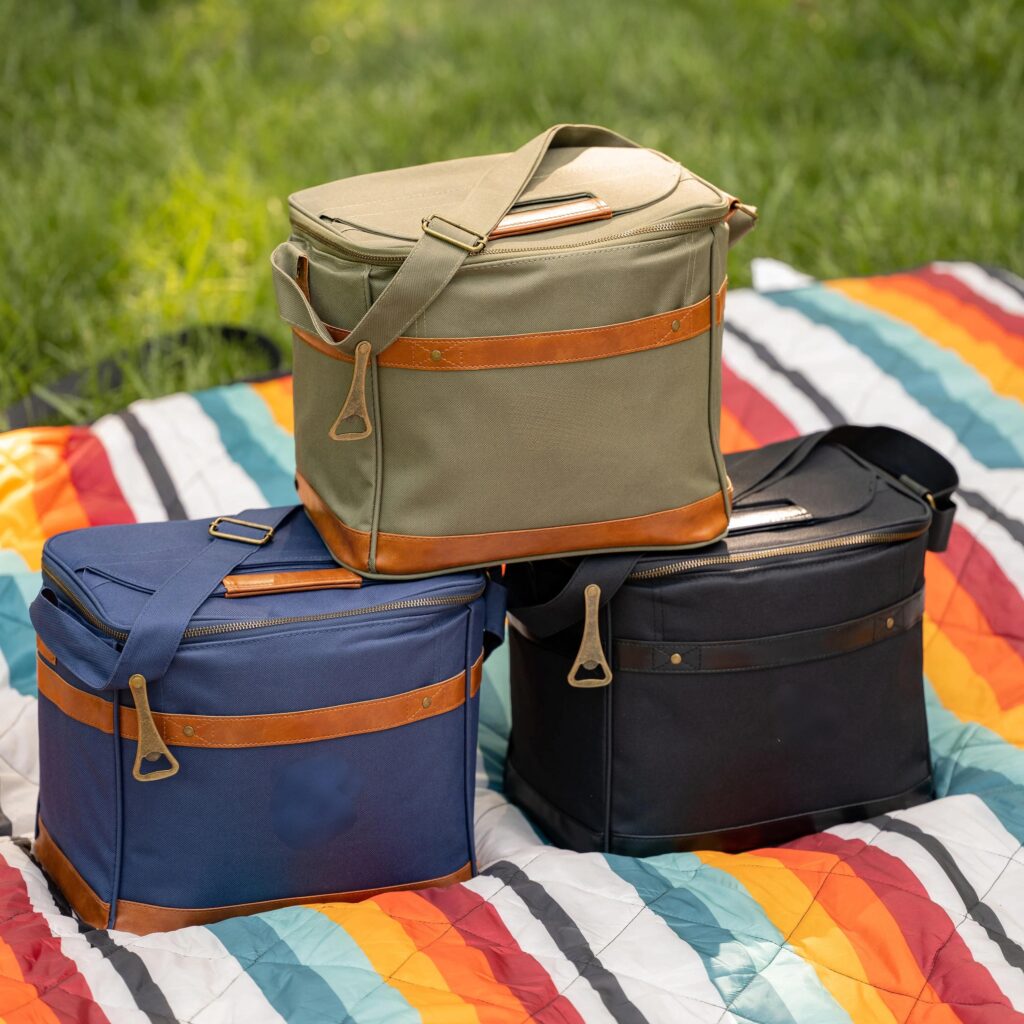
If you’re looking for a reliable partner to manufacture custom insulated bags, coolers, eller bältesväskor, Pecbag stands out as a trusted solution. Here’s why:
1. Expertis inom kundanpassning
Pecbag specializes in creating products tailored to your exact needs:
- Lägg till corporate logos, unique designs, eller special features for branding and promotional campaigns.
- Whether you need insulated bags for food delivery or coolers for outdoor enthusiasts, Pecbag can adapt designs to suit specific industries.
- Our design team ensures that your products are visually appealing, functional, and aligned with your brand identity.
2. Bulk Pricing Advantage
Pecbag erbjuder competitive pricing for large orders, making it cost-effective for businesses:
- Flexible MOQ (minimum order quantity) options ensure that both small and large-scale businesses can benefit.
- Discounts for bulk orders make Pecbag an ideal choice for wholesalers, corporate buyers, and promotional campaigns.
3. Åtagande om hållbarhet
Pecbag understands the importance of eco-friendly solutions:
- We use återvunna material, bioplasticsoch andra sustainable production practices to reduce environmental impact.
- Our manufacturing process is designed to align with clients’ environmental goals, making your products both functional and eco-conscious.
4. Production Capacity
Equipped with high-volume manufacturing capabilities, Pecbag ensures timely delivery of large orders without compromising on quality:
- Vår strict quality control processes guarantee that every product meets your expectations.
- Whether you need thousands of insulated bags or heavy-duty coolers, Pecbag has the infrastructure to handle it efficiently.
5. After-Sales Support
Pecbag provides comprehensive after-sales services to give you peace of mind:
- We offer warranties on our products to ensure long-term value and durability.
- Our responsive customer service team is ready to assist with any issues, ensuring a hassle-free experience from production to delivery.
Varför samarbeta med PEC Bag?
Leverage our manufacturing ecosystem:
- Cooler Expertise: Commercial-grade ice retention solutions
- Materialinnovation: Eco-tech from the waterproof factory
- Anpassning: Branded collections via produktportal
- Technical Integration: Ergonomic features from the backpack division
Slutsats
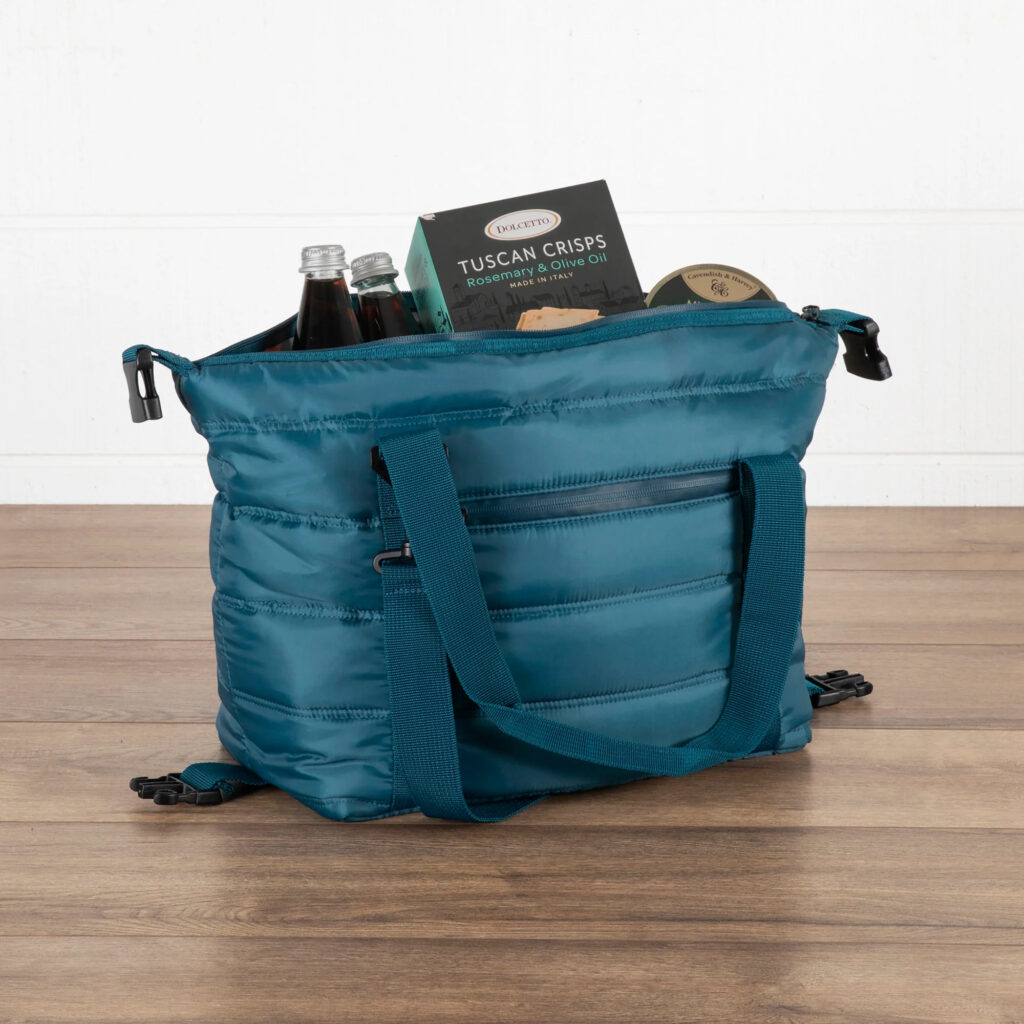
Choosing between insulated bags and coolers comes down to understanding your specific needs. Let’s recap the key factors to consider, recommendations for common use cases, and future trends shaping the market.
Key Decision Factors
- Duration of Use:
- Insulated Bags: Perfect for short-term use, keeping items cold or hot for up to 8 hours.
- Coolers: Designed for multi-day trips, with ice retention lasting 2–5+ days depending on the model.
- Portability Needs:
- Insulated Bags: Lightweight and easy to carry, ideal for individuals or quick outings.
- Coolers: Best for heavy loads, with larger models featuring wheels and handles for easier transport.
- Budget and Longevity:
- Insulated Bags: Affordable and practical for short-term use or promotional purposes.
- Coolers: Higher upfront cost, but a långsiktiga investeringar for durability and performance.
Use Case Recommendations
- Grocery Shopping:
- Use an insulated bag like the Simple Modern Insulated Tote to keep frozen and perishable items fresh on the way home.
- Weekend Camping:
- A hard cooler such as the YETI Tundra 45 is perfect for keeping food and drinks cold for multi-day trips.
- Food Delivery Business:
- Välj en commercial-grade insulated bag, som den Spartan Pac Thermal Bag, designed for hot and cold meal deliveries.
Framtida trender
- Smart Temperature Monitoring:
- New insulated bags equipped with built-in thermometers och app notifications are on the rise, offering real-time temperature tracking for added convenience.
- Eco-Conscious Design:
- Both insulated bags and coolers are transitioning toward hållbara material, including plant-based insulators och biodegradable linings, to address environmental concerns.
- Customized Solutions:
- The growing demand for customized products tailored for corporate branding, bulk orders, and eco-conscious buyers is shaping the future of the industry.
Final Takeaway:
Whether you need a lightweight insulated bag for daily errands or a rugged cooler for outdoor adventures, the right choice depends on your use case, budget, and priorities.
Both categories are evolving with smart technologies and eco-friendly designs, making them more versatile and sustainable than ever.
Looking for the best solution for your business or personal needs? Explore high-quality customized options with Pecbag today!
“The thermal storage market is evolving toward smart, sustainable systems. Partnering with integrated manufacturers ensures access to cutting-edge materials and IoT integration.” – Industry Insider
Explore Custom Solutions:



 English
  Spanish
  German
  French
  Russian
  Portuguese
  Italian
  Polish
  Swedish
  Finnish
  Danish
  Greek
Greek