
Introduction
The hobo bag, with its relaxed, slouchy shape and casual charm, has become a must-have in modern fashion. Its timeless appeal lies in its versatility—effortlessly transitioning from day to night, casual to chic.
But have you ever wondered why it’s called a “hobo” bag? The name traces back to early 20th-century itinerant workers, who needed practical, adaptable bags for life on the move.
For businesses, understanding this rich history and cultural evolution isn’t just interesting—it’s key to designing, marketing, and selling hobo bags that truly resonate with today’s consumers.
The hobo bag’s slouchy silhouette blends historical practicality with contemporary style. For brands seeking premium craftsmanship in similar accessory lines, explore our full product catalog featuring artisanal shoulder bags and sustainable designs. Why Is It Called a Hobo Bag
Etymology and Historical Origins
The Definition of “Hobo”
- Social History of Hobos
- In the early 1900s, “hobo” referred to itinerant workers who traveled across the country by rail.
- These individuals carried their belongings in burlap bags, simple makeshift sacks tied to sticks.
- Unlike “tramps,” who avoided work, or “bums,” who neither worked nor traveled, hobos were transient laborers constantly seeking employment.
- Lexical Development
- The origin of the word “hobo” is debated.
- Some believe it comes from “hoe boy,” referring to farm laborers who carried hoes for work.
- Others suggest it stems from the German word “Hofbauer,” meaning farmhand.
Link to Bag Design
- Functional Parallels
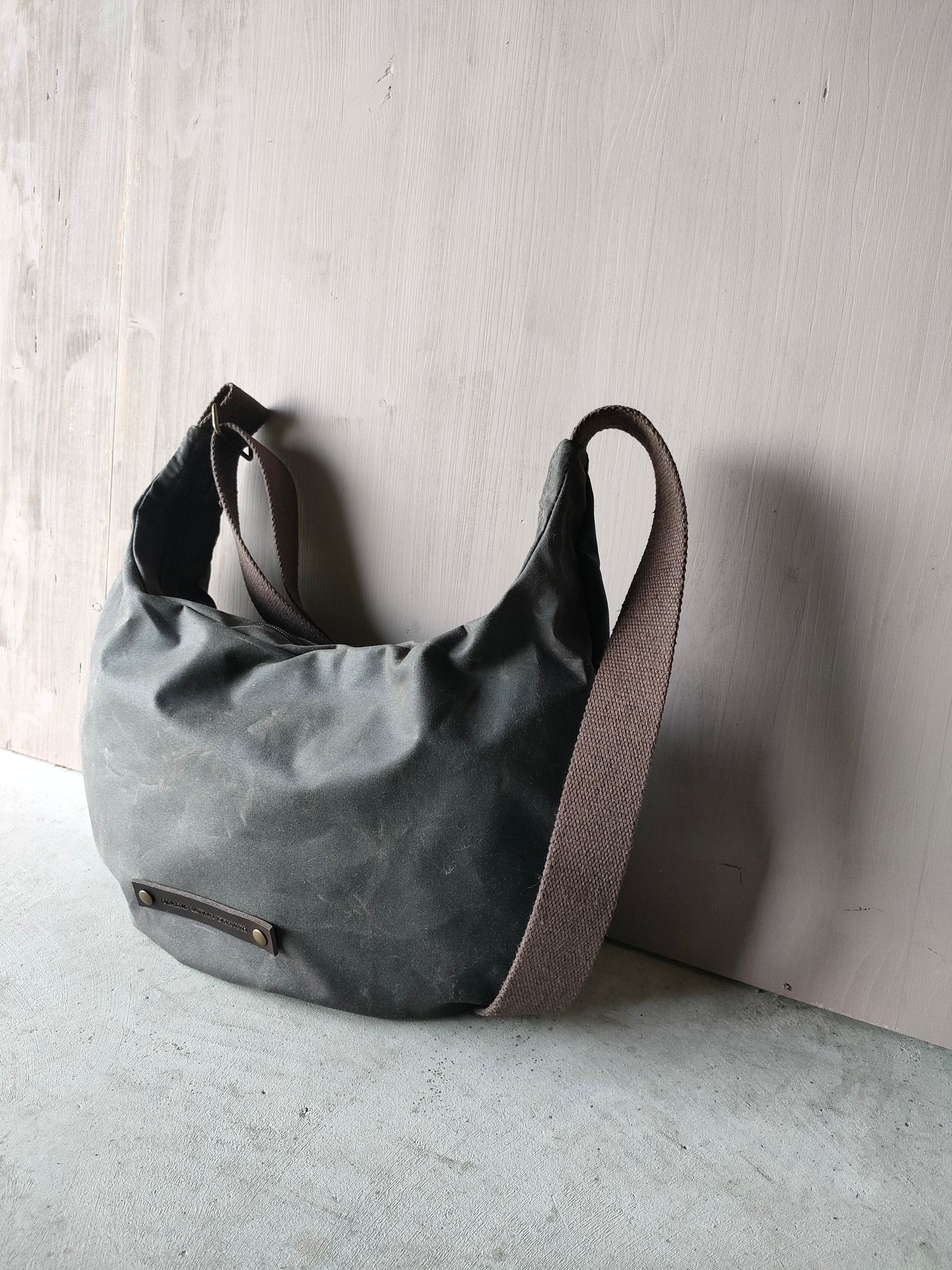
- The slouchy, unstructured design of modern hobo bags mirrors the practicality of bindle bags carried by early hobos.
- Both were designed for convenience, adaptability, and ease of carrying.
- First Recorded Use
- The term “hobo bag” first appeared in American fashion journalism during the 1960s.
- Its name and design have since become iconic, blending historical practicality with modern fashion trends.
Cultural and Fashion Evolution
1960s–1970s: Bohemian Roots
- Counterculture Adoption
- During the 1960s and 1970s, the hobo bag became a favorite among hippies.
- Its casual, slouchy design reflected the anti-establishment values of the counterculture movement.
- Design Icons
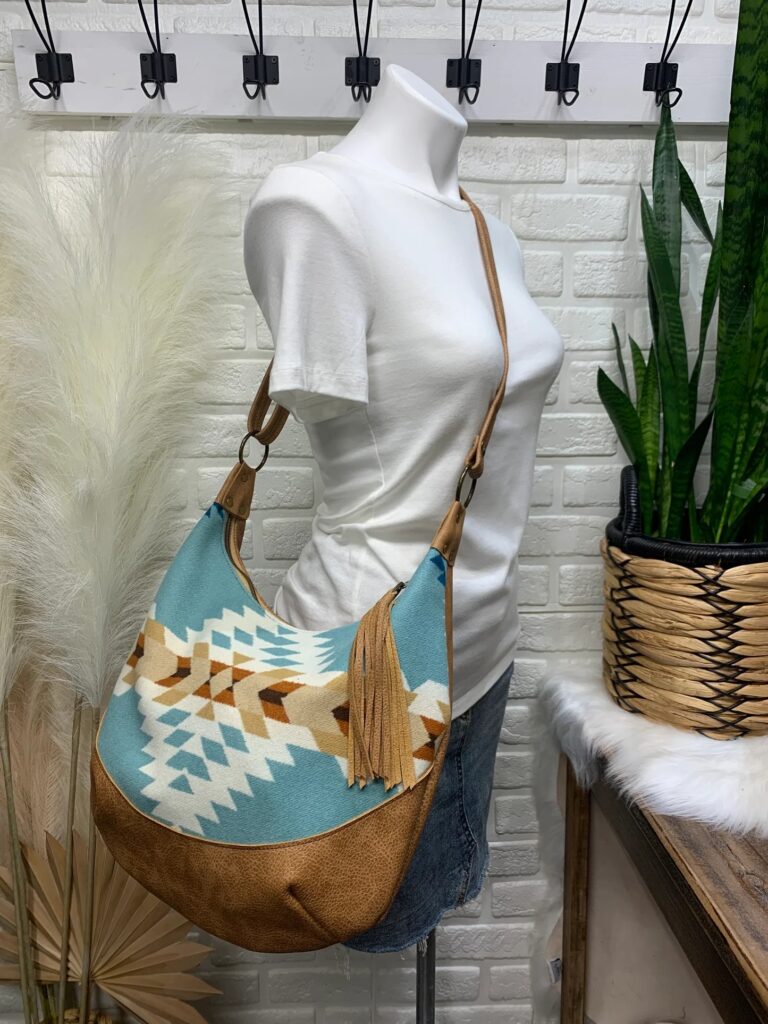
- The Woodstock era saw the rise of fringed and unstructured hobo bags.
- These bags perfectly captured the free-spirited, bohemian vibe of the time.
1980s–1990s: Mainstream Fashion
- High-Fashion Interpretation
- By the 1980s, designer brands began reimagining the hobo bag.
- Polished materials like leather and high-end details elevated its status, making it a luxury item.
- Cultural References
- The hobo bag gained further popularity through pop culture.
- TV shows like Friends (1994–2004) often featured characters carrying stylish hobo bags, cementing their appeal among mainstream audiences.
2000s–2020s: Modern Innovations
- Resurgence of Compact Designs
- In the 2000s, mini hobo bags became a trend for fashion-forward consumers.
- Compact yet stylish, they appealed to those seeking a blend of practicality and modern aesthetics.
- Focus on Sustainability
- Recent years have seen the hobo bag adapt to changing consumer priorities.
- Brands now emphasize sustainable materials and ethical production, aligning with the growing demand for eco-friendly fashion.
From bohemian fringes to high-fashion leather and sustainable innovation, the hobo bag remains a timeless icon that evolves with cultural trends.
Design Characteristics of Hobo Bags
Core Features
- Slouchy Silhouette
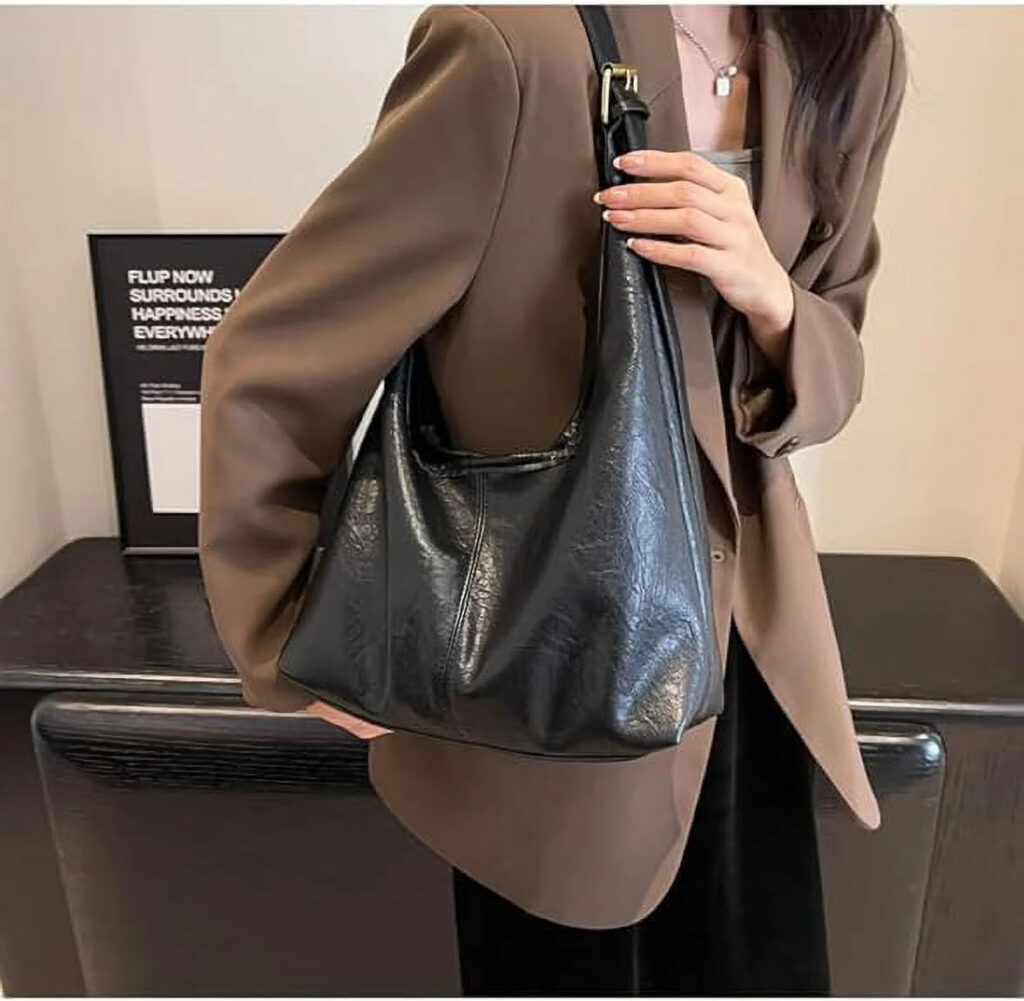
- The soft, unstructured shape is a defining characteristic of hobo bags.
- This design mimics the practicality of the bindle bags once carried by hobos, offering flexibility and adaptability.
- Single Shoulder Strap
- A long strap allows for easy shoulder or cross-body wear.
- This feature reflects the functionality of bindles, designed for effortless carrying during travel.
- Drawstring/Magnetic Closure
- Hobo bags often feature simple closures, like drawstrings or magnetic snaps.
- These provide quick and easy access to belongings, making them both stylish and functional.
- Natural Materials
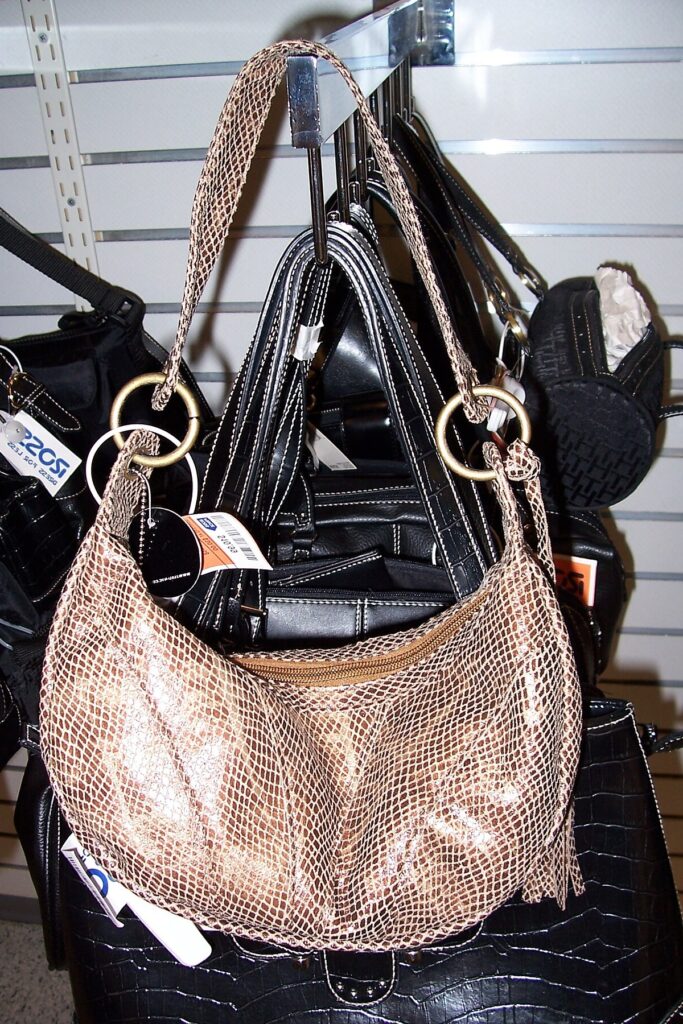
- Common materials include leather, suede, or canvas, often paired with minimal hardware.
- These choices align with the bag’s bohemian and earthy aesthetic roots, enhancing its timeless charm.
Modern Adaptations
- Structured Hobos
- Modern designs sometimes include reinforced bases and structured shapes.
- These adaptations make the hobo bag suitable for professional and formal settings, offering a polished look without losing its essence.
- Mini Hobos
- Compact, trendy versions have become increasingly popular.
- Mini hobos appeal to modern consumers seeking a blend of practicality and fashion, perfect for lighter, on-the-go lifestyles.
The design evolution of hobo bags ensures they remain versatile, stylish, and relevant, appealing to a wide range of needs and tastes.
Cultural Perceptions and Controversies
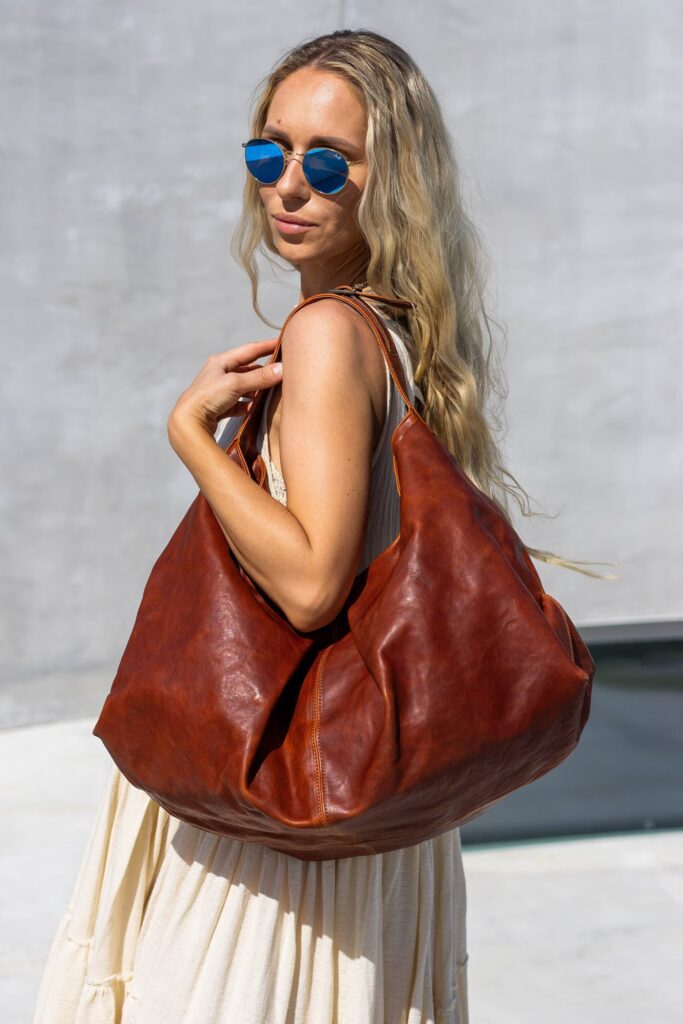
Stigma and Reinvention
- Associations with Homelessness
- The term “hobo” carries historical ties to transient workers and, at times, homelessness.
- Some critics argue that using the name for a fashion item risks trivializing the struggles of those it originally described. Why Is It Called a Hobo Bag
- In response, certain brands have opted for alternative names like “slouch bag” to avoid controversy.
- Fashion’s Reclamation
- Despite this, fashion has reframed the hobo bag as a statement of effortless luxury.
- Designers celebrate its laid-back, adaptable design, turning its humble origins into a narrative of practicality and elegance.
Gender and Class Implications
- Gendered Perception
- Historically, hobo bags have been associated with women’s fashion due to their soft silhouette and casual style.
- However, unisex designs are gaining traction, reflecting a shift toward inclusivity in fashion.
- Class Significance
- The hobo bag’s working-class roots contrast sharply with its modern transformation into a luxury item.
- Once a symbol of necessity, it now straddles the line between accessible practicality and high-end status, appealing to a wide range of consumers.
By addressing these cultural nuances, the hobo bag continues to evolve, balancing its historical identity with modern reinvention.
Global Nomenclature and Regional Variations
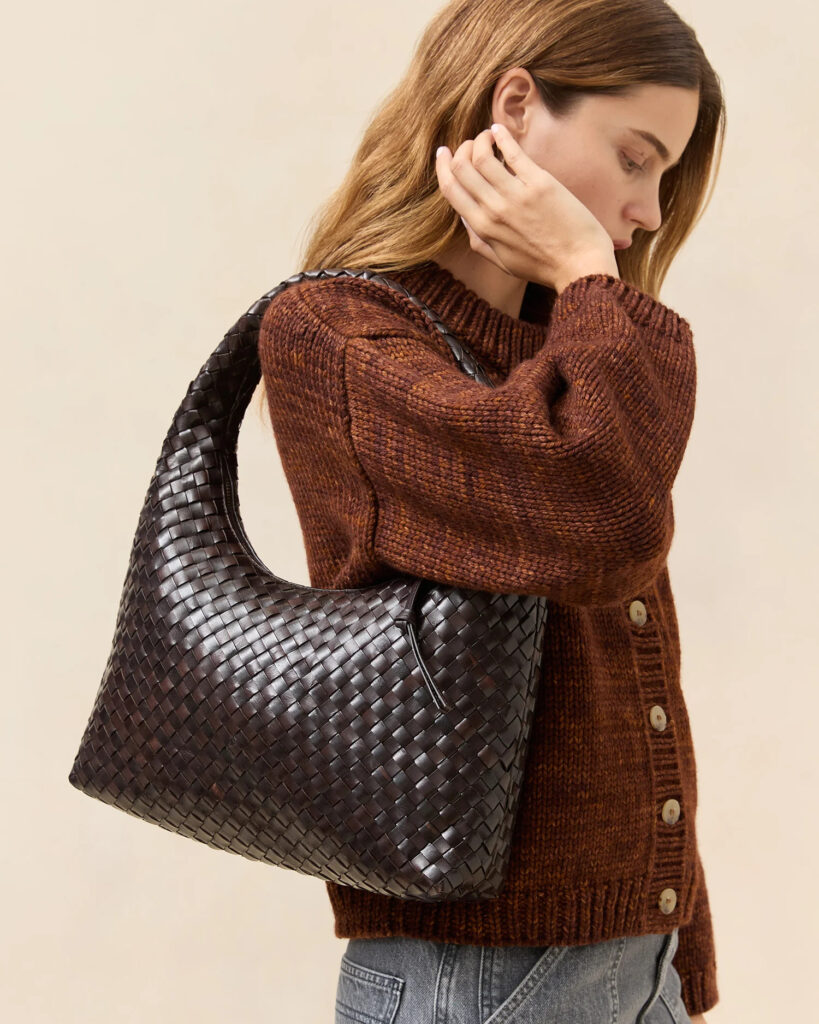
Alternative Terms
Different regions have adopted alternative names for the hobo bag, reflecting local cultural contexts:
- UK: Slouch Bag
- In the United Kingdom, the term “slouch bag” is commonly used.
- This avoids the word “hobo,” which carries different connotations related to homelessness.
- Japan: スラウチバッグ (Slouch Bag)
- In Japan, the hobo bag is referred to as スラウチバッグ, a modern transliteration of “slouch bag.”
- The term emphasizes the casual and trendy nature of the design.
- France: Sac Bum
- In France, the hobo bag is sometimes called “sac bum,” which translates to “butt bag.”
- This name humorously references how the bag rests against the lower back or hip when carried.
Regional Design Differences
The design of hobo bags also varies based on regional preferences and cultural aesthetics:
- European Hobos
- European designs tend to be more structured and refined.
- They often feature premium materials, like Italian leather, and minimalistic aesthetics suitable for professional or formal use.
- European Luxury: Structured leather hobos → Partner with backpack specialists for premium finishes
- American Hobos
- In contrast, American hobo bags embrace a more casual, functional style.
- Bold prints, vibrant colors, and relaxed silhouettes dominate, aligning with a laid-back lifestyle.
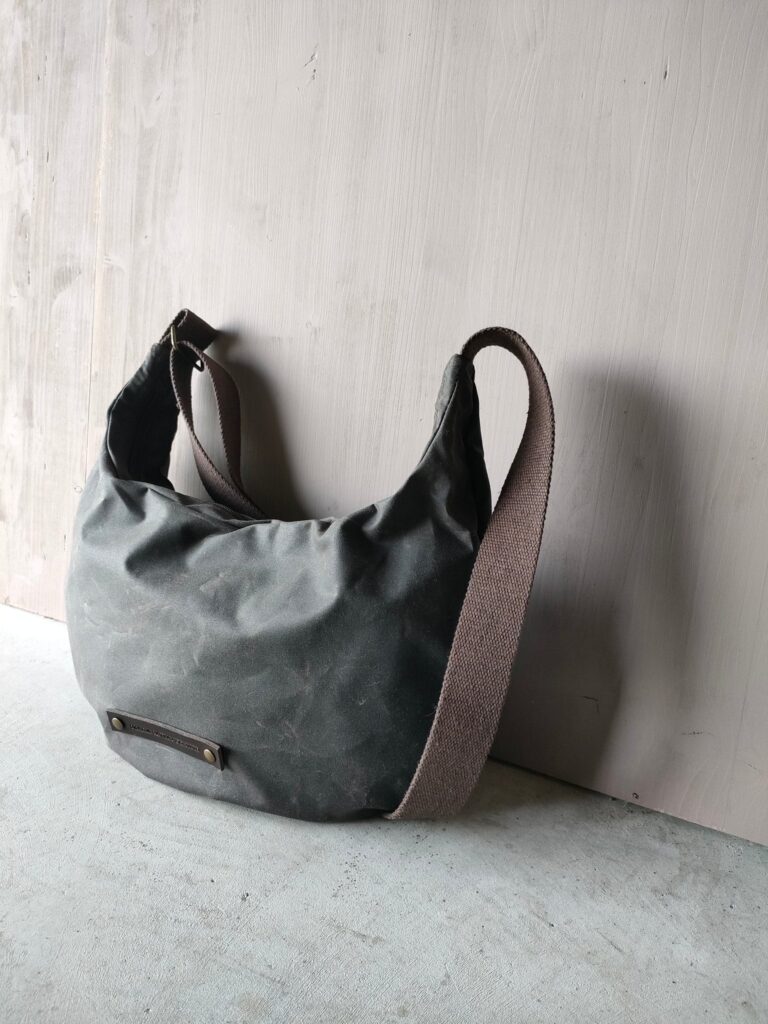
- Spacious canvas designs → Utilize waterproof fabrics for weather resistance
These regional differences in name and design highlight the hobo bag’s ability to adapt and resonate with diverse cultures while maintaining its core identity.
Why Partner with Pecbag for OEM/ODM Custom Belt Bags and Pouches?
Partnering with Pecbag ensures your brand stands out in a competitive market. Here’s why we’re the right choice:
Expertise in Customization
- We specialize in creating tailored designs that reflect your brand’s unique identity.
- Whether it’s material, size, or style, every detail is customized to meet your specific needs.
Focus on Quality and Sustainability
- Pecbag is committed to using premium and eco-friendly materials.
- This aligns your products with modern consumer demands for sustainability and high-quality craftsmanship.
Global Market Insights
- With a deep understanding of regional preferences and design trends, we help you succeed in diverse global markets.
- Whether your target is bold American styles or refined European aesthetics, we’ve got you covered.
Flexible Production Capabilities
- Our production is scalable, accommodating both small and bulk orders.
- We ensure timely delivery without compromising on quality, no matter the order size.
Comprehensive Support
- From initial design development to final product delivery, we offer end-to-end assistance.
- Our team works closely with you at every stage to bring your vision to life.
By partnering with Pecbag, you gain a trusted collaborator who prioritizes quality, sustainability, and your brand’s success in a competitive marketplace. Let us help you create custom belt bags and pouches that your customers will love!
Why Partner with Pecbag?
Transform historical inspiration into market-ready products:
- Material Sourcing:
- Sustainable leathers from waterproof experts
- Custom fabrics for slouchy silhouettes
- Production Excellence:
- MOQ 300 units via the backpack division
- 72H prototype turnaround
- Coordinated Collections:
- Hobo bags + minimalist shoulder bags
- Complementary lunch bags for lifestyle bundles
Explore OEM Options: Full Product Range
Conclusion
The hobo bag’s journey is a testament to its timeless appeal, blending historical significance with modern trends. Here’s what makes it stand out:
Key Takeaways
- Etymological Roots
- The iconic design of the hobo bag draws inspiration from the bindle bags carried by 20th-century itinerant workers.
- Cultural Transformation
- Once a counterculture symbol of practicality and freedom, it has evolved into a luxury item embraced by high fashion.
- Design Essence
- Despite its evolution, the slouchy silhouette, single strap, and use of natural materials remain at the heart of its enduring charm.
Naming Considerations
- Sensitivity
- In markets where “hobo” may carry sensitive connotations, terms like “slouch bag” offer an inclusive alternative.
- Authenticity
- Highlighting the bag’s historical roots can appeal to consumers seeking heritage-focused and meaningful designs.
Future Trends
- Sustainability
- As eco-consciousness grows, the demand for hobo bags made from sustainable and ethical materials continues to rise.
- Gender Inclusivity
- Expanding unisex designs will help brands capture a broader and more diverse demographic.
- Customization
- Personalized options, from materials to design details, are becoming increasingly popular, allowing customers to create bags that truly reflect their style.
The hobo bag’s adaptability and rich history ensure its place in the future of fashion. By respecting its heritage while embracing modern trends, it continues to capture the hearts of consumers worldwide.
Future Trends & Manufacturing
Sustainable Shift:
Leverage recycled materials from our waterproof factory for eco-conscious hobo designs.
Gender-Neutral Expansion:
Develop unisex styles using the backpack manufacturer ergonomic expertise.
Customization Demand:
Offer personalized hobos alongside branded lunch bags for cohesive collections.
“The future lies in heritage-inspired designs meeting modern functionality – our manufacturing bridges both worlds.” – Lead Designer




 English
  Spanish
  German
  French
  Russian
  Portuguese
  Italian
  Polish
  Swedish
  Finnish
  Danish
  Greek
Greek