
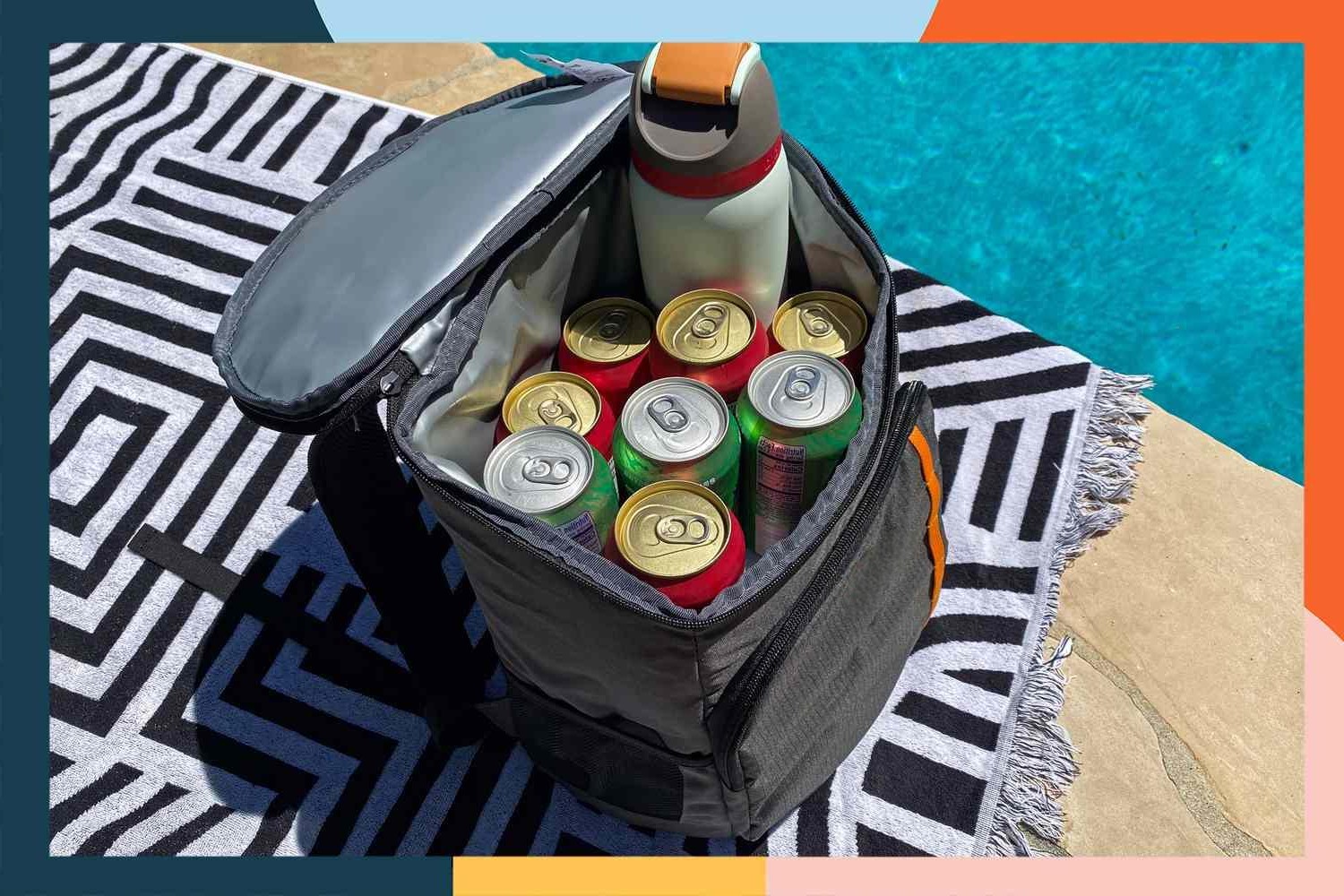
Ever packed a lunch for work or stored groceries in an insulated bag, only to wonder, How long will this stay cold? The answer isn’t as straightforward as you might think.
The cold retention of insulated bags depends on several factors—bag quality, insulation thickness, external temperature, and even how you pack it.
Many people assume all insulated bags work the same, but that’s a common misconception. A high-quality insulated bag can keep food cold for up to 12 hours, while lower-quality options may struggle to maintain the temperature for even half that time.
For bulk buyers or businesses, understanding these differences isn’t just about convenience—it’s about ensuring product quality, cost-effectiveness, and finding customizable options that meet your specific needs.
In this guide, we’ll dive deeper into what affects an insulated bag’s performance and how to choose the best option for your use case. Combien de temps les sacs isothermes conservent-ils les aliments au froid ?
Whether you’re buying for personal use or sourcing for your business, you’ll walk away with practical tips and insights to make informed decisions. Let’s get started!
Key Factors Affecting Cold Retention Time
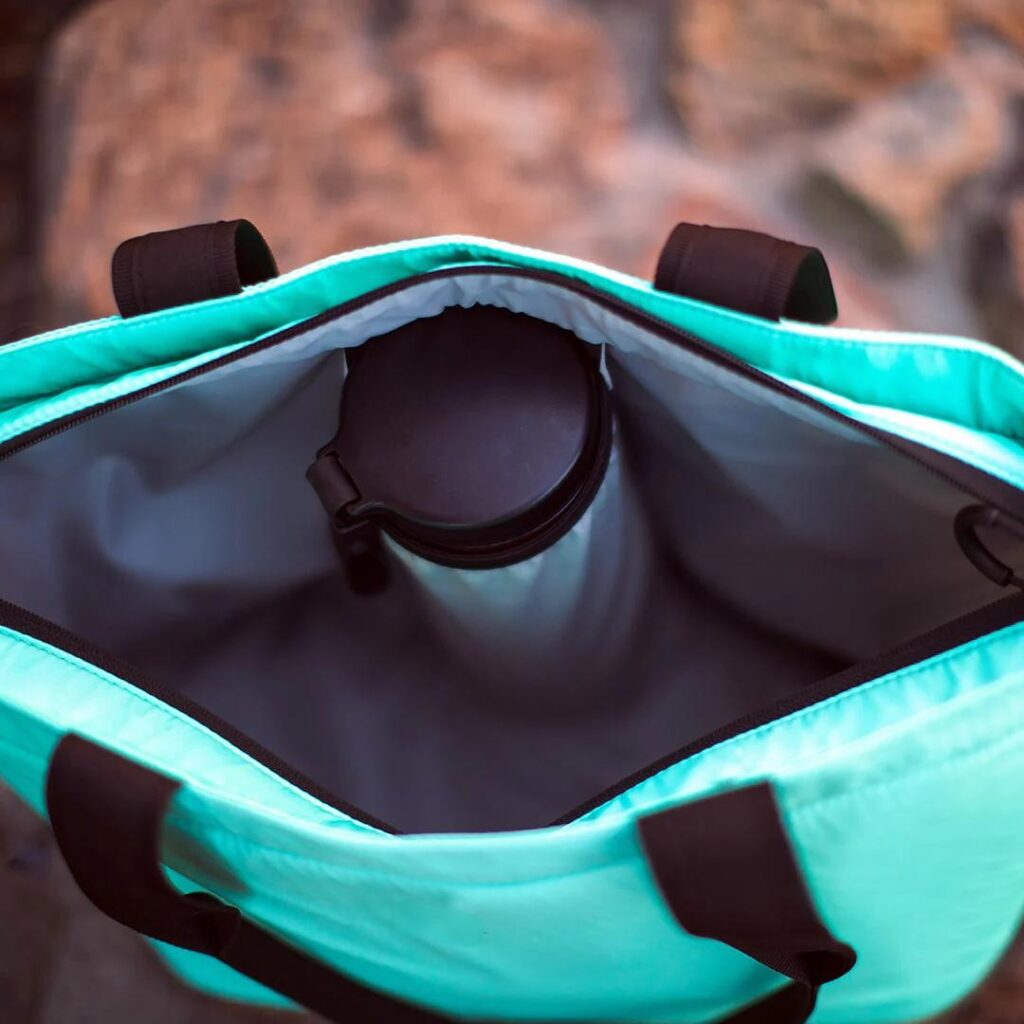
When it comes to insulated bags, not all are created equal. How long your food stays cold depends on a mix of design choices, environmental conditions, and how you pack it. Let’s take a closer look at what makes the difference:
1. Insulation Material & Design
The heart of any insulated bag is its material. Different types of insulation offer varying levels of performance:
- Foam layers et thermal liners are the most common, balancing cost and effectiveness.
- PEVA et EPE materials are lightweight and offer solid cold retention, but may not last as long as premium options.
- Vacuum-insulated layers provide maximum performance, keeping contents cold for up to 24 hours, but they come at a higher price.
Foam layers and thermal liners are common, but premium waterproof materials (like those used by our usine de sacs étanches) significantly enhance durability and sealing.
Thickness matters too. A thicker insulated layer generally means better cooling results. And don’t overlook sealing mechanisms like zippers or airtight closures—these prevent warm air from sneaking in. Velcro may work for quick access, but it’s less effective at keeping the cold locked in.
2. Initial Temperature & Pre-Cooling
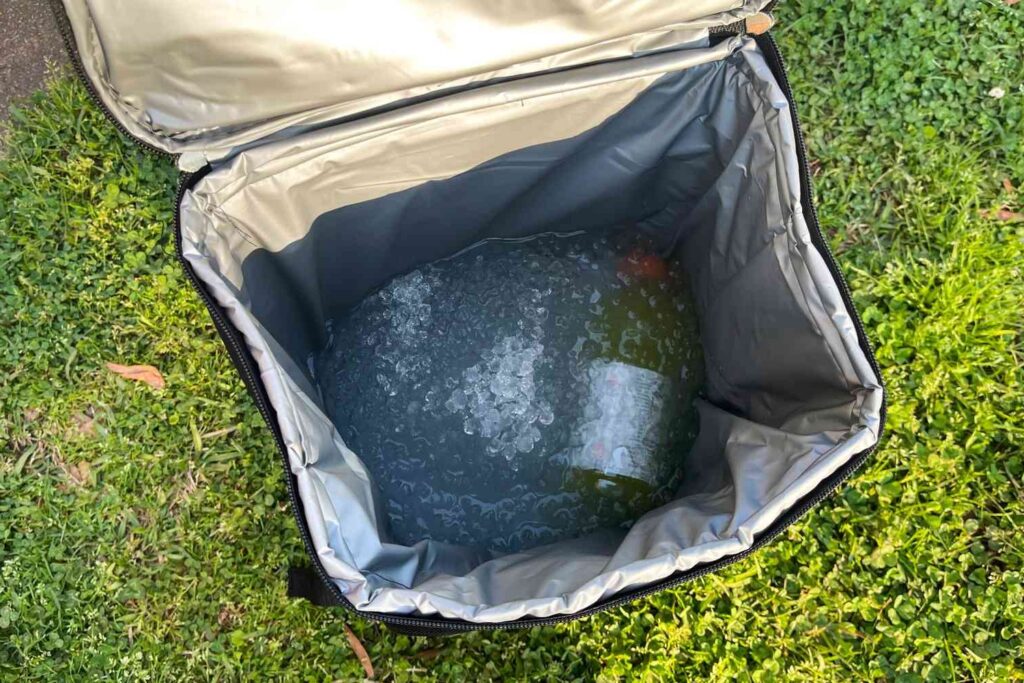
How you start makes a big difference. Pre-chilling the bag, such as placing ice packs inside overnight, can extend cold retention significantly. Similarly, starting with pre-frozen or refrigerated food/drinks will maintain low temperatures much longer than items at room temperature.
Think of it like this: The colder the starting point, the slower the temperature rises. For bulk buyers, advising customers to pre-chill their bags or use ice packs can improve satisfaction with your product.
3. External Environmental Conditions
Where you use the bag matters just as much as what’s inside:
- En hot climates (30°C+), insulated bags may only last a few hours without extra ice packs.
- Moderate temperatures (20°C) give better results, with cooling lasting up to 8-12 hours.
- Cold weather? That’s where insulated bags shine, as the ambient temperature helps preserve cold retention.
Direct sunlight can quickly warm up even the best bags, so keeping them in the shade or away from heat sources (like car trunks in summer) is crucial.
4. Contents & Packing Methods
What you pack and how you pack it can make or break the bag’s performance:
- Use a 1:1 ratio of ice packs to food for maximum cooling. Too few ice packs, and your items warm up faster.
- Liquids, like juice or water bottles, tend to hold cold better than solid foods since they absorb and retain temperature longer.
- Smart packing helps too. Keep ice packs close to perishables without direct contact to avoid freezing items like sandwiches or fruits.
5. Bag Size & Volume
Size matters! Smaller lunch bags (6-12L) can keep things cold for shorter periods, as their surface area-to-volume ratio is less favorable. Larger bags or coolers (20+L) retain cold better but require more ice packs to fill the space.
For bulk sourcing, partnering with a reliable fabricant de sacs à dos ensures scalable solutions, from compact lunch bags to large coolers.
Customization options, like adjustable compartments or added thermal layers, can also help attract buyers looking for more tailored solutions.
Typical Cold Retention Durations
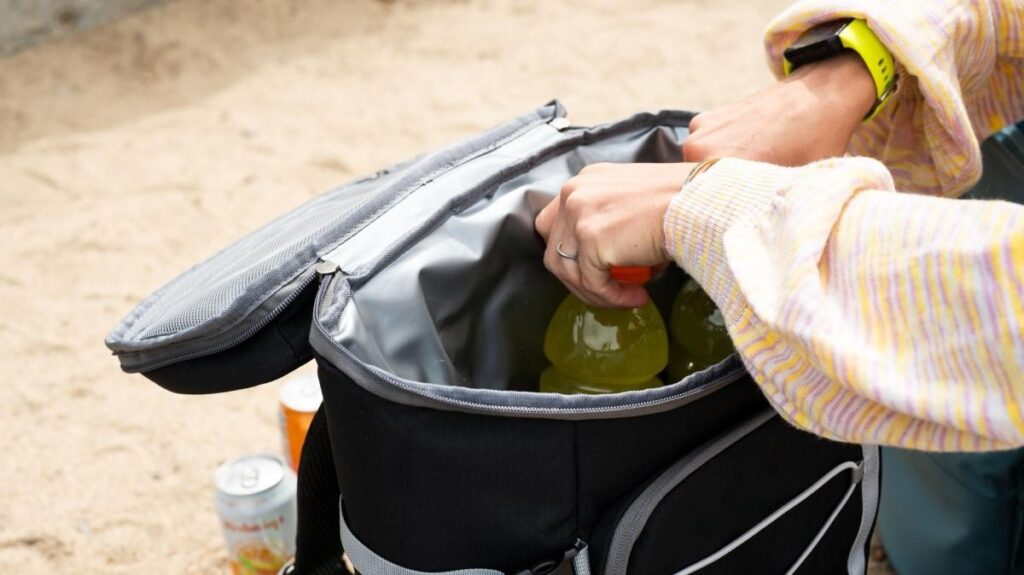
1. Standard Lunch Bags (6-10L)
- In 20°C ambient temperature, these smaller bags typically keep food cold for 4-6 hours. Perfect for keeping sandwiches, yogurt, or fruits fresh during a workday.
- In 30°C+ ambient temperature, their performance drops to 2-3 hours unless you add ice packs. If you’re heading out for a summer picnic, those extra ice packs are a must!
2. Premium Insulated Cooler Bags (15-30L)
- With gel ice packs: With gel ice packs, retain cold for 8–12 hours. Explore versatile cooler bag designs for groceries or catering.
- With dry ice: For frozen goods, these bags can stretch their cold retention to 24-48 heures, making them a go-to option for transporting frozen foods or meat.
3. Specialized Medical/Pharmaceutical Bags
- These are designed for precision. They can maintain a temperature range of 2-8°C for 12-24 hours, which is critical for transporting sensitive items like vaccines and insulin.
4. Variables in Real-World Scenarios
- Faire ses courses: An insulated bag can keep food cold for 1-2 hours in a hot car, but in an air-conditioned environment, that time extends to about 30 minutes longer.
- Camping: With proper insulation and regular ice replenishment, these bags can keep items cold for 10-12 hours overnight, ensuring your food stays fresh outdoors.
5. Bulk Order Considerations for Businesses
For businesses sourcing insulated bags, performance consistency across quantities is key. High-quality bags ensure uniform cold retention, whether you’re ordering 10 or 10,000 units. This is especially important for industries like food delivery and pharmaceutical transport, where reliability is non-negotiable.
Scientific Principles & Thermal Dynamics
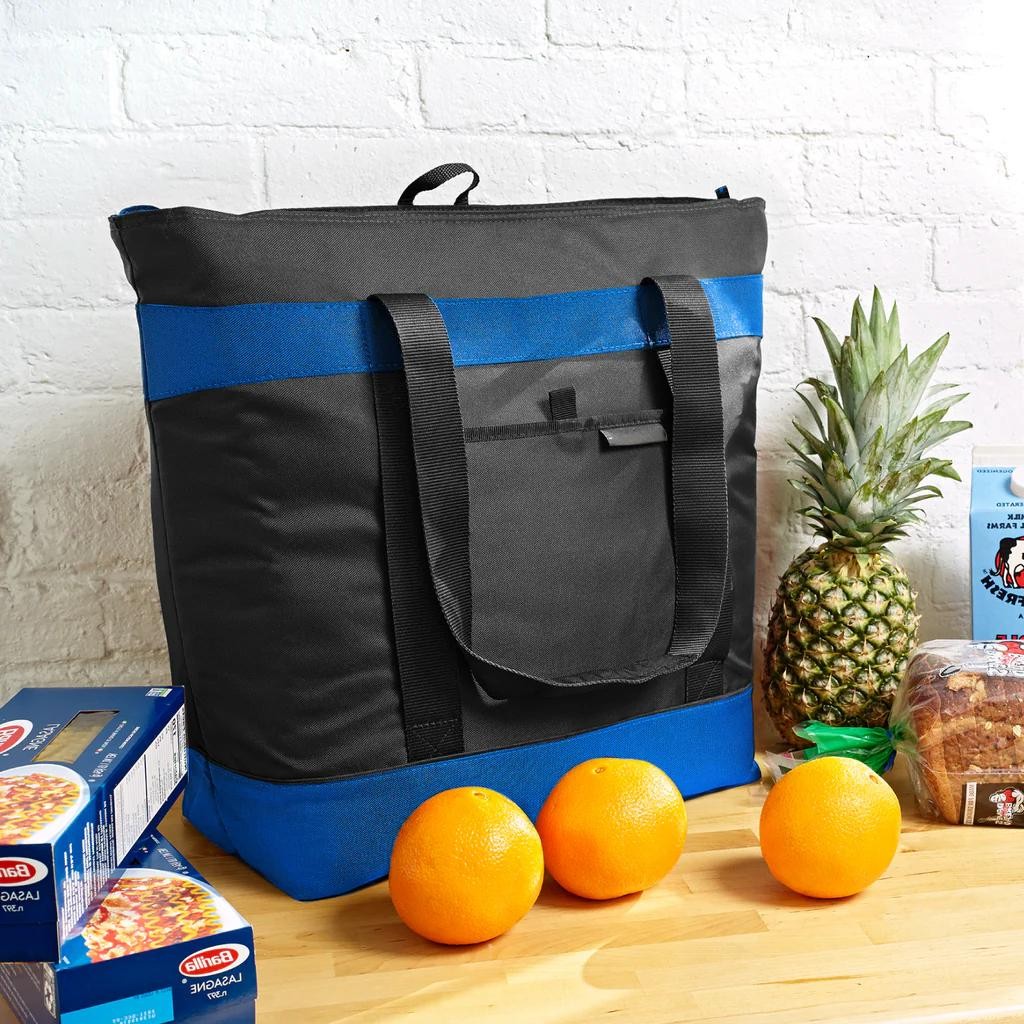
1. Heat Transfer Mechanisms
For cold retention, the goal is to block heat from entering the bag, and insulated bags do this by addressing three main heat transfer mechanisms:
- Conduction: Heat travels through direct contact. Insulated liners, such as foam or EPE material, act as barriers to slow this process down.
- Convection: Heat moves through air circulation. Airtight seals—like zippers or Velcro—minimize airflow and prevent warm air from getting inside.
- Radiation: Heat transfers in the form of energy waves. Reflective materials, like aluminum linings, bounce heat away and keep the cold inside.
By targeting all three mechanisms, insulated bags dramatically reduce heat intrusion, keeping your food fresh for hours.
2. Phase Change Materials (PCMs)
When you add ice packs to your insulated bag, you’re using phase change materials (PCMs) to extend cooling. Here’s how they work:
- Ice packs and latent heat absorption: Regular ice melts at 0°C, absorbing a large amount of heat during the process. This keeps the bag’s temperature low until the ice completely melts.
- Advanced PCMs: Some premium ice packs or cooling inserts are designed with PCMs that have a higher heat capacity or different melting points, allowing them to stay cold even longer. These are especially useful for transporting temperature-sensitive items like medicines or frozen goods.
3. Energy Efficiency & Environmental Benefits
Insulated bags aren’t just practical—they’re also energy-efficient. By reducing the need for continuous refrigeration, they help conserve energy. For environmentally conscious buyers, this is a major win. Plus, reusable ice packs and durable materials mean fewer disposable cooling solutions, reducing waste.
Best Practices for Maximizing Cold Retention
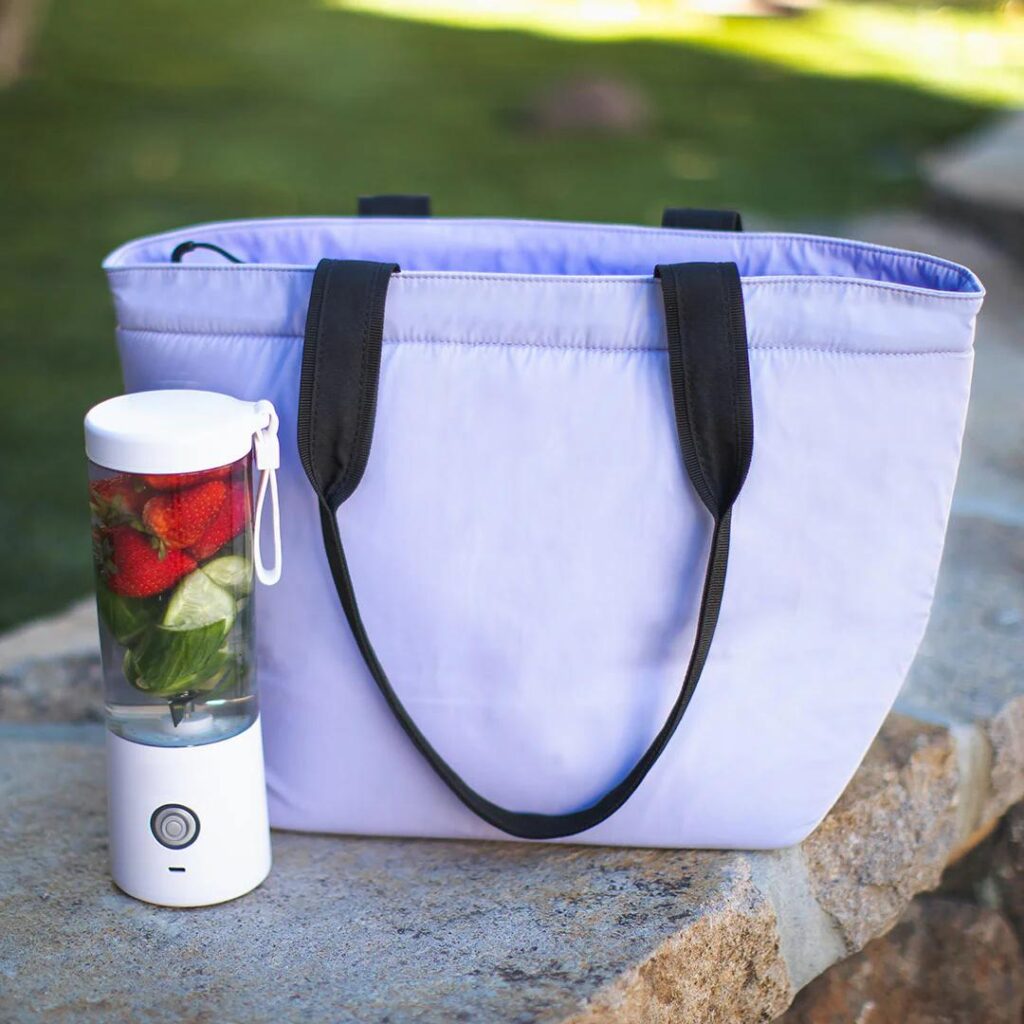
1. Pre-Use Preparations
Before you even pack the bag, prepping it correctly is key:
- Freeze ice packs 24 hours in advance: To ensure maximum performance, use reusable ice packs instead of disposable ones. Reusable packs not only last longer but are also more eco-friendly.
- Pre-chill the bag interior: Place ice packs or a few frozen items inside the bag for 10-15 minutes before loading it. This cools the bag down and reduces temperature shock when you add your food.
2. Packing Techniques
How you pack the bag can affect its cold retention significantly:
- Layering is key: Start with ice packs at the bottom, place perishables (like meat, dairy, or salads) in the middle, and put non-perishables, drinks, or snacks on top. This setup keeps the cold where it’s needed most.
- Use insulated containers for extra protection: For items that need to stay extra cold, like frozen goods, pack them into smaller insulated containers before placing them in the bag. This adds another layer of cold retention.
3. Maintenance & Care
Keeping your bag in top condition ensures it performs well over time:
- Clean it properly: Wash the bag with mild soap and water, but be sure to rinse thoroughly. Detergent residues can damage the insulation layer over time.
- Dry it completely: Always store the bag dry to prevent mold or mildew, which can affect both hygiene and thermal efficiency.
4. Logistics & User Training for Bulk Buyers
For businesses ordering insulated bags in bulk, providing usage guides to customers or employees can ensure optimal performance:
- Include tips for pre-chilling, layering, and proper care in your product packaging or training materials.
- Highlight the importance of using the right ratio of ice packs to contents (e.g., 1:1 for extended cold retention) to maximize satisfaction.
- Provide usage guides; source consistently high-performance bags from OEM specialists.
Common Myths & Misconceptions
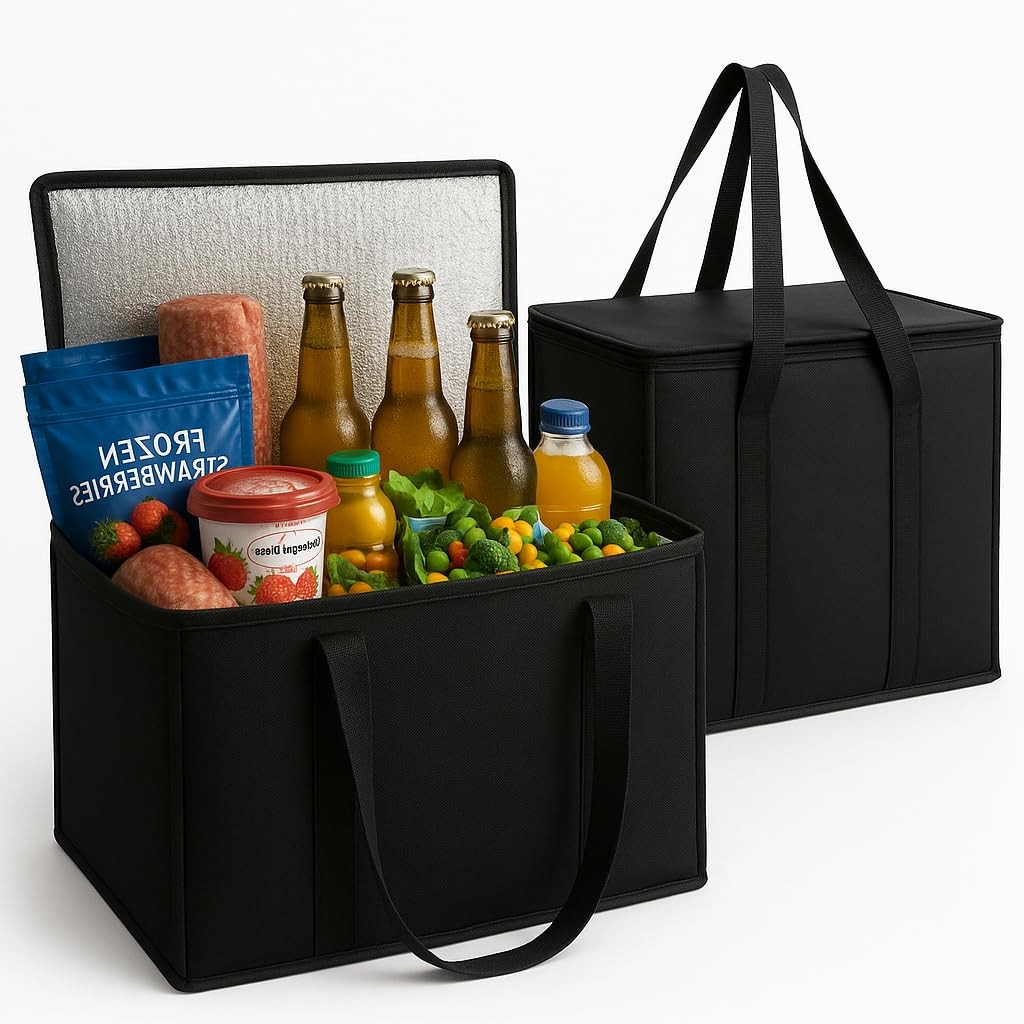
When it comes to insulated bags, there’s a lot of misinformation floating around. These misconceptions can lead to poor choices, wasted money, and disappointing results. Let’s clear up some of the most common myths:
1. “All Insulated Bags Are Equal”
Not true. Insulated bags come in a wide range of designs, and their performance varies based on materials and purpose:
- Generic bags might work for short trips or lunches, but they lack the advanced insulation required for long-term cold retention.
- Specialized bags—like those with vacuum-insulated layers or high-density foam—are designed for specific needs, such as transporting frozen goods or medical supplies. Always choose a bag that matches your intended use.
2. “Ice Packs Alone Keep Food Cold All Day”
Ice packs help, but they aren’t magic. The reality is that ambient temperature plays a huge role:
- En hot climates (30°C+), even the best ice packs will struggle to keep food cold for more than a few hours without proper insulation.
- To maximize performance, use enough ice packs (ideally a 1:1 ratio of ice to contents) and pack the bag efficiently.
3. “Thicker Insulation Always Means Longer Cooling”
While thicker insulation can improve cold retention, it’s not the only factor:
- Weight vs. efficiency: Thicker insulation adds bulk and weight, which may not be practical for smaller bags or portable use.
- Material matters: Advanced materials like reflective aluminum liners or vacuum-insulated panels can outperform thicker yet less efficient options.
4. “Bulk Pricing Always Means Quality Compromises”
Many buyers assume that ordering in bulk automatically means sacrificing quality, but that’s not always true:
- Reputable manufacturers offer customized solutions that balance affordability with performance, ensuring consistency across large orders.
- Always verify the materials, insulation type, and sealing mechanisms before purchasing in bulk to avoid low-quality products.
Industry Standards & Testing Methods
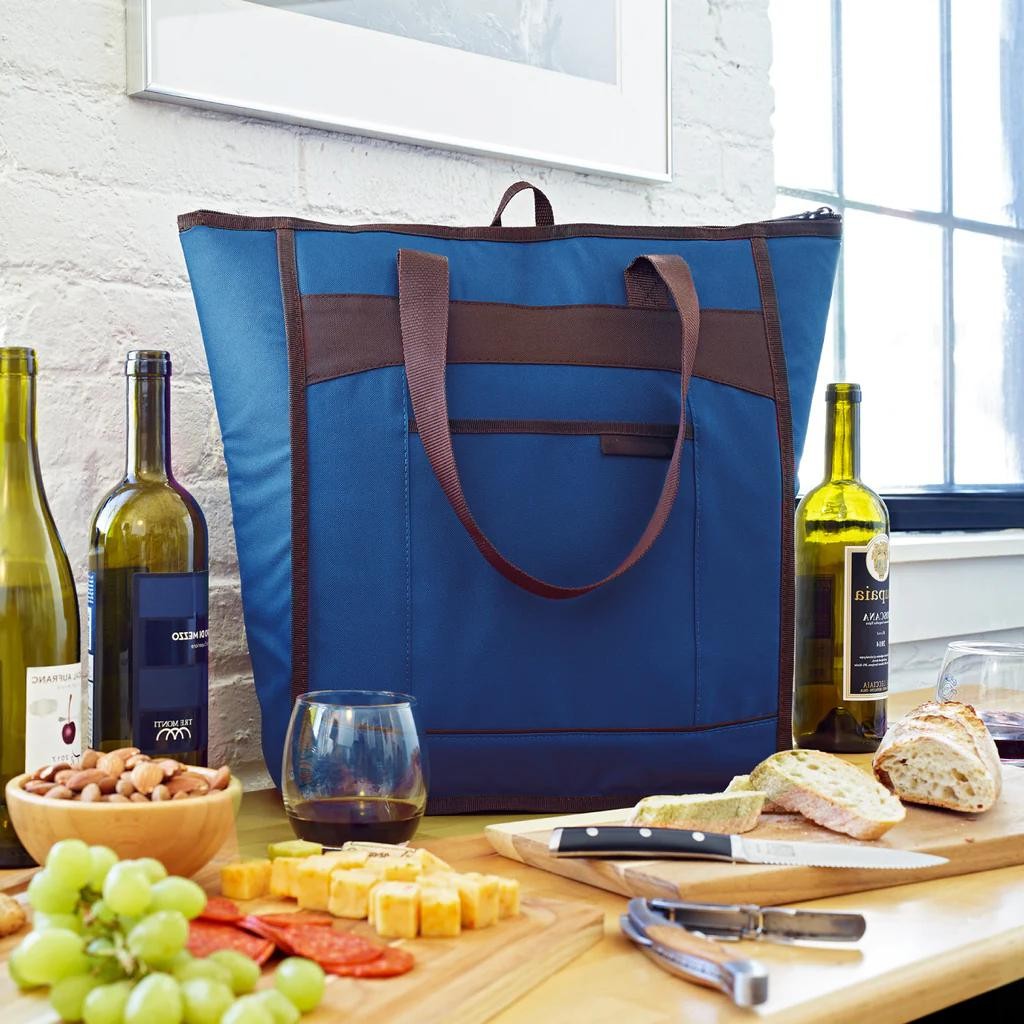
When buying insulated bags, especially in bulk, it’s important to know how their performance is measured.
Industry standards and testing methods ensure the bags you choose meet your expectations and perform as promised. Let’s dive into the key standards and what they mean for you:
1. ASTM D4995: Thermal Performance Testing
This standard, developed by ASTM International, is a widely recognized method for testing the thermal performance of insulated containers. Here’s how it works:
- Bags are tested in controlled environments to measure how long they maintain specific temperature ranges.
- Factors like insulation material, thickness, and sealing mechanisms are evaluated to determine performance under various conditions.
For customers sourcing bags in bulk, asking manufacturers if their products meet ASTM D4995 standards is a great way to ensure quality and reliability.
2. Manufacturer Claims vs. Real-World Results
Many insulated bags come with bold claims like “24-hour cooling” or “keeps food cold all day.” While these promises sound appealing, they often depend on ideal conditions:
- Controlled tests (e.g., pre-cooled bags, frozen contents, and optimal ice pack ratios) may not reflect real-world use, such as exposure to heat or improper packing.
- Always compare these claims with your intended use. For example, in hot environments or with heavy usage, cooling times may be significantly shorter than advertised.
3. Certifications and Guarantees
For bulk buyers, certifications are critical to ensure compliance with normes internationales and avoid issues with product quality:
- Look for bags that come with ISO certifications or similar guarantees to confirm they’ve been tested for durability, safety, and thermal efficiency.
- Some manufacturers offer performance guarantees, such as warranties or standardized test results, to back up their claims. These are especially important when ordering in large quantities for food delivery, pharmaceuticals, or other sensitive applications.
- Prioritize manufacturers (like our usine de sacs étanches) adhering to ISO 9001 and ASTM D4995 for thermal reliability.
Pourquoi s'associer à Pecbag pour des sacs et pochettes à ceinture personnalisés OEM/ODM ?
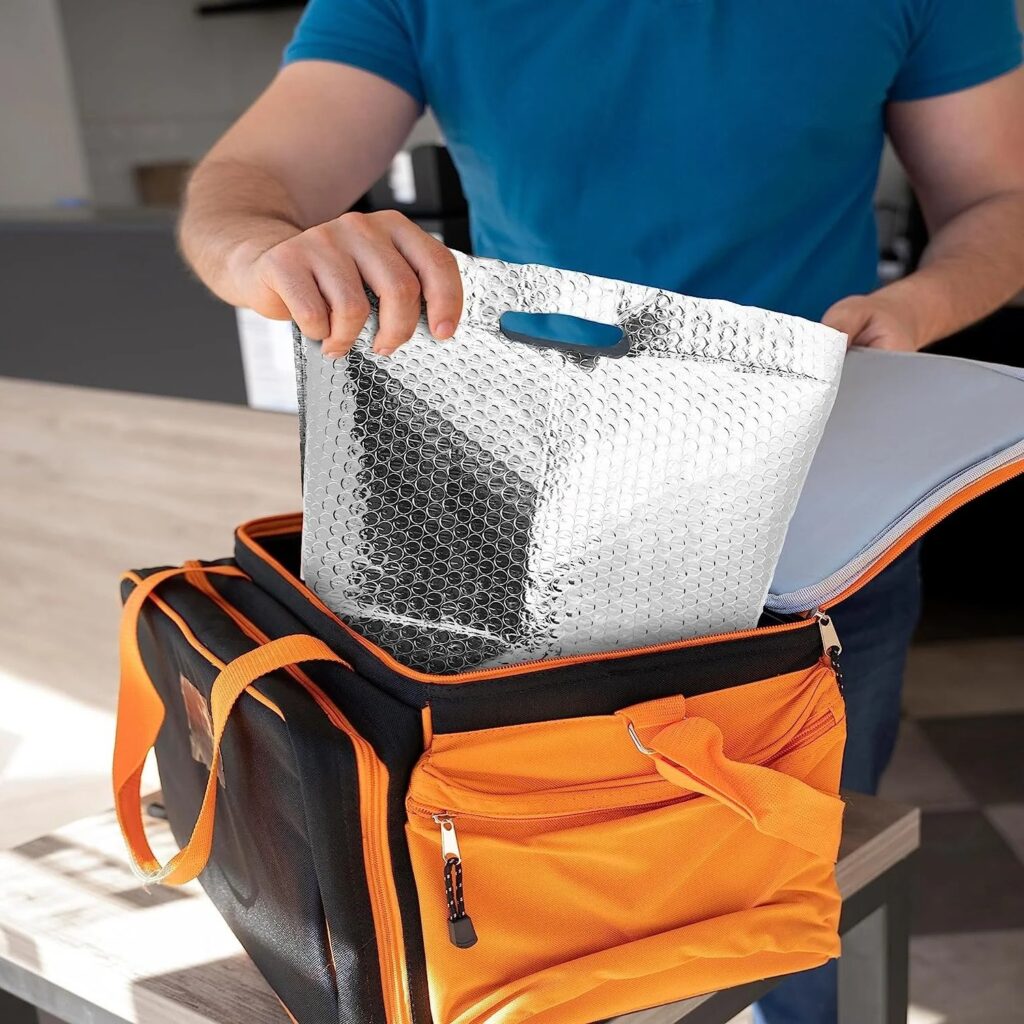
When it comes to sourcing high-quality, custom belt bags and pouches, Pecbag stands out as a trusted partner.
With our focus on customization, advanced manufacturing, and sustainability, we provide solutions tailored to your business needs. Here’s why working with Pecbag is the right choice:
1. Comprehensive Customization Services
We specialize in delivering products that align with your brand and functional requirements:
- Tailored designs: From sizes and materials to unique features, our team works with you to create bags that fit your exact specifications.
- Branding support: Add your logo, choose custom colors, and design packaging that reflects your corporate identity for a cohesive brand experience.
2. Proven Manufacturing Expertise
Our production capabilities ensure quality and consistency, even for large-scale orders:
- High-quality standards: We implement rigorous quality control measures to ensure every bag meets your expectations.
- Advanced technology: From cutting-edge machinery to precise assembly processes, we guarantee consistent performance across all products.
3. Cost-Effective Solutions
We know balancing budget and quality is key for businesses:
- Des prix compétitifs: We offer affordable rates without sacrificing quality, helping you maximize value.
- Flexible order quantities: Whether you’re a small business or a large distributor, we adapt to your order size requirements.
4. Sustainability Options
As environmental concerns grow, we provide eco-friendly alternatives to traditional materials:
- Matériaux écologiques: Choose recyclable or reusable materials to align with sustainability goals.
- Energy-efficient production: Our manufacturing processes are designed to minimize waste and reduce carbon footprints.
5. Reliable After-Sales Support
We’re committed to ensuring your satisfaction long after the order is completed:
- Warranty services: Our products come with guarantees to give you peace of mind.
- Responsive customer care: Have questions or need assistance? Our team is here to help with technical support and maintenance guidance.
Pourquoi s'associer à Pecbag ?
Pour custom belt bags/pouches, leverage:
- End-to-End Customization: Design sizing, materials, and branding via our Services OEM/ODM.
- Bulk Expertise: Notre backpack manufacturer division guarantees quality at scale.
Conclusion: Optimizing Cold Retention for Your Needs
Choosing the right insulated bag isn’t just about keeping food cold—it’s about understanding how key variables like bag design, insulation materials, packing techniques, and environmental conditions all work together.
De short-term cooling for lunches à extended cold retention for groceries or pharmaceuticals, the performance of your bag can vary based on how you use it.
Here’s a quick recap:
- Typical durations: Standard lunch bags keep items cold for 4-6 hours, while premium cooler bags with ice packs can last up to 12 hours or even 48 hours with dry ice.
- Key tips: Pre-chill your bag, use a 1:1 ice-to-content ratio, and pack strategically with layering to maximize performance.
- Factors to consider: Match the bag size, insulation type, and sealing mechanisms to your intended use, whether it’s for personal use or business needs.
Au Pecbag, we engineer durable, customizable solutions—whether you need high-retention cooler bags ou waterproof tactical gear from our usine spécialisée. Contact us to optimize your insulated packaging strategy.
Ready to find the perfect insulated bag? Let Pecbag help you keep your food, drinks, or products colder for longer, efficiently and effectively. Contact us today to explore our customizable solutions!
c



 English
  Spanish
  German
  French
  Russian
  Portuguese
  Italian
  Polish
  Swedish
  Finnish
  Danish
  Greek
Greek