
Introduction
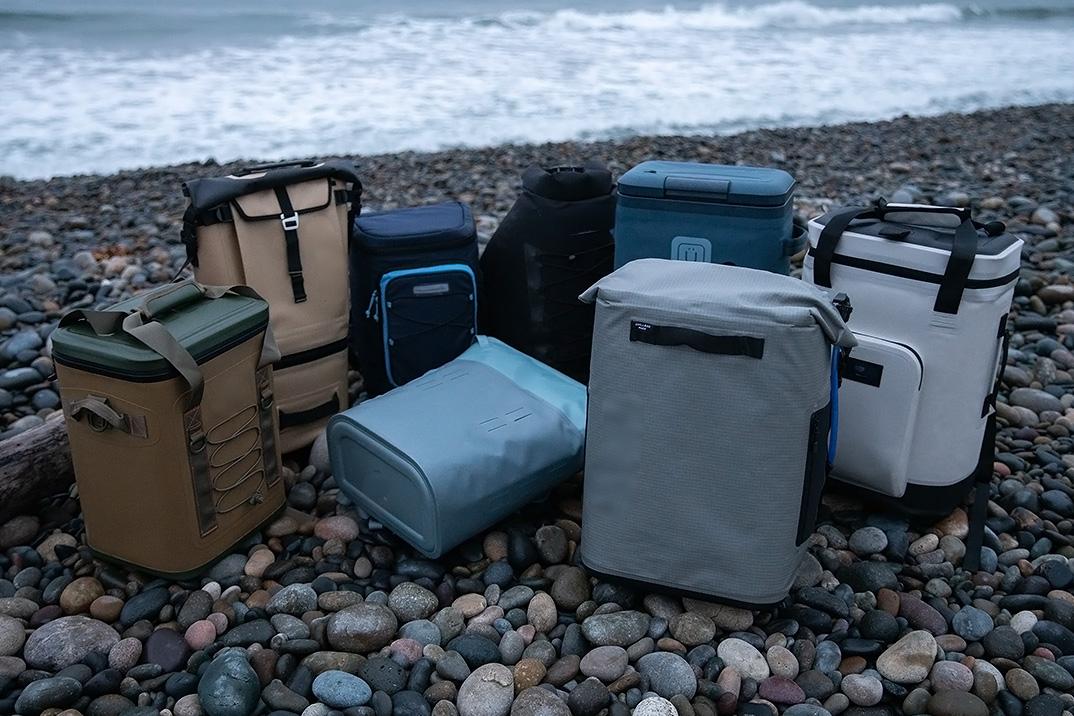
Keeping your sac isotherme cold for as long as possible isn’t just about tossing in some ice and hoping for the best. It’s a mix of science and smart preparation.
For those buying cooler bags in bulk—whether for resale or personal branding—understanding how to maximize ice retention isn’t just helpful. It’s essential to choose the right products and get the most out of them.
This guide pulls together insights from eight expert sources to break down the best techniques for keeping your cooler bags icy cold. It’s essential to choose the right products and get the most out of them.
From prepping the bag to packing it efficiently and using it properly, we’ll cover everything you need to know. Ready to make every trip a chill success? Let’s dive in!
Pre-Cooling & Preparation: The Foundation of Better Ice Retention
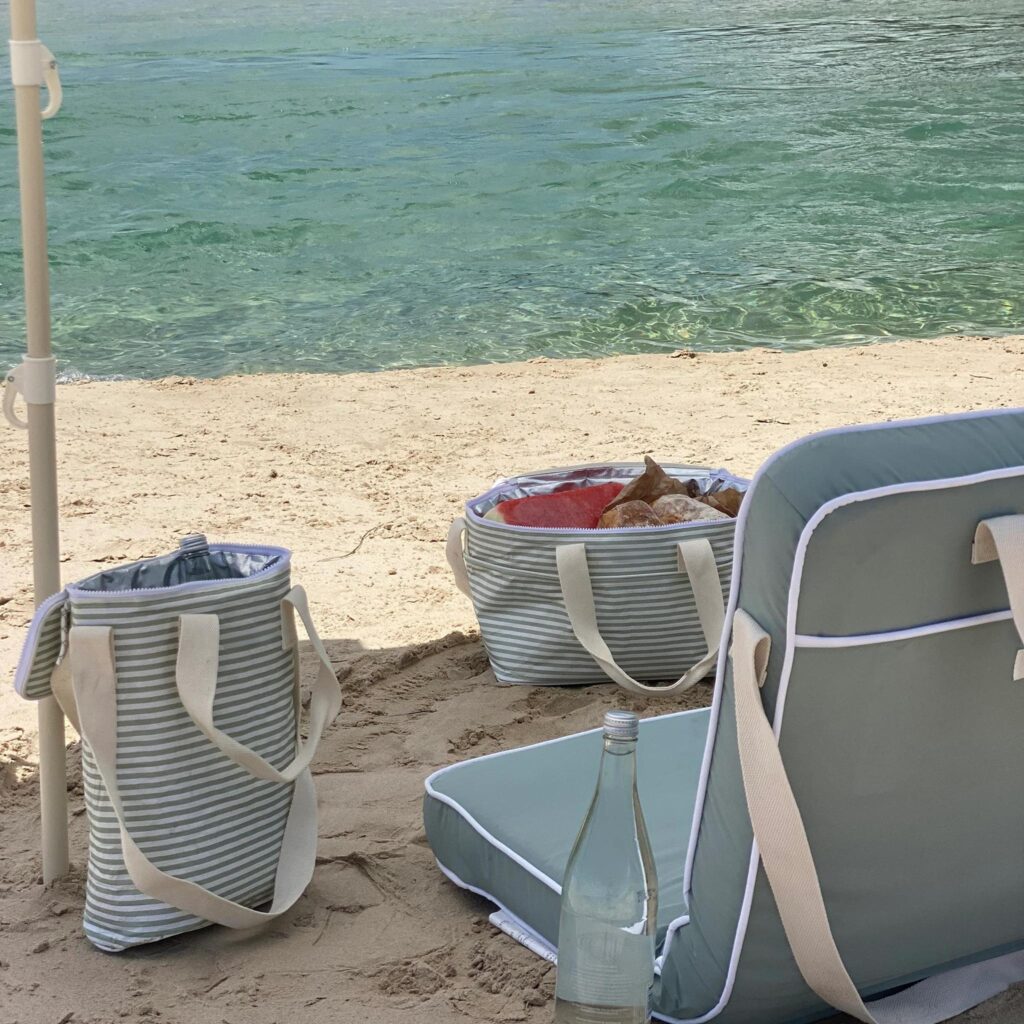
Getting the most out of your cooler bag starts before you even pack it. Proper preparation can make a huge difference in how long your ice lasts. Here’s how to do it right:
Cooler Bag Conditioning
1. Pre-Chilling the Interior
Start by cooling down the inside of your cooler bag before packing. If you’re using a hard-sided cooler(like those from our fabricant de sacs à dos line), freeze it for 12–24 hours before use.
For soft-sided bags, line the interior with ice packs overnight. This lowers the internal temperature, preventing your ice from melting too quickly when added.
2. Ice Pack Optimization
Not all ice packs are created equal. Freeze gel packs at least 48 hours in advance to ensure they’re at peak performance. Reusable packs are a great choice for consistent cold retention. Want a dual-purpose solution? Pre-freeze water bottles—they act as ice and double as drinkable cold water once they melt.
Ice Selection & Preparation
1. Types of Ice
The kind of ice you choose matters more than you think. Here’s a quick breakdown:
| Ice Type | Melting Rate | Best Use |
| Block Ice | Slow (48–72 hrs) | Long trips, larger cooler bags |
| Cubed Ice | Fast (24–36 hrs) | Daily use, quick cooling |
| Dry Ice | Ultra-slow (72+ hrs) | Frozen goods, medical transport |
Block ice outperforms cubes for long trips. Pair with reusable gel packs from trusted usines de sacs imperméables for optimal sealing. Comment garder un sac isotherme froid plus longtemps ?
Dry ice is your go-to for extreme cooling needs, like transporting frozen goods or medical supplies, but handle it carefully due to its low temperature (-78.5°C).
2. Ice-to-Content Ratio
The golden rule: aim for a 1:1 ratio of ice to food or drink volume for trips longer than 24 hours. This balance ensures your contents stay cold without compromising space for your items.
Advanced Packing Strategies: Pack Like a Pro to Maximize Cold Retention
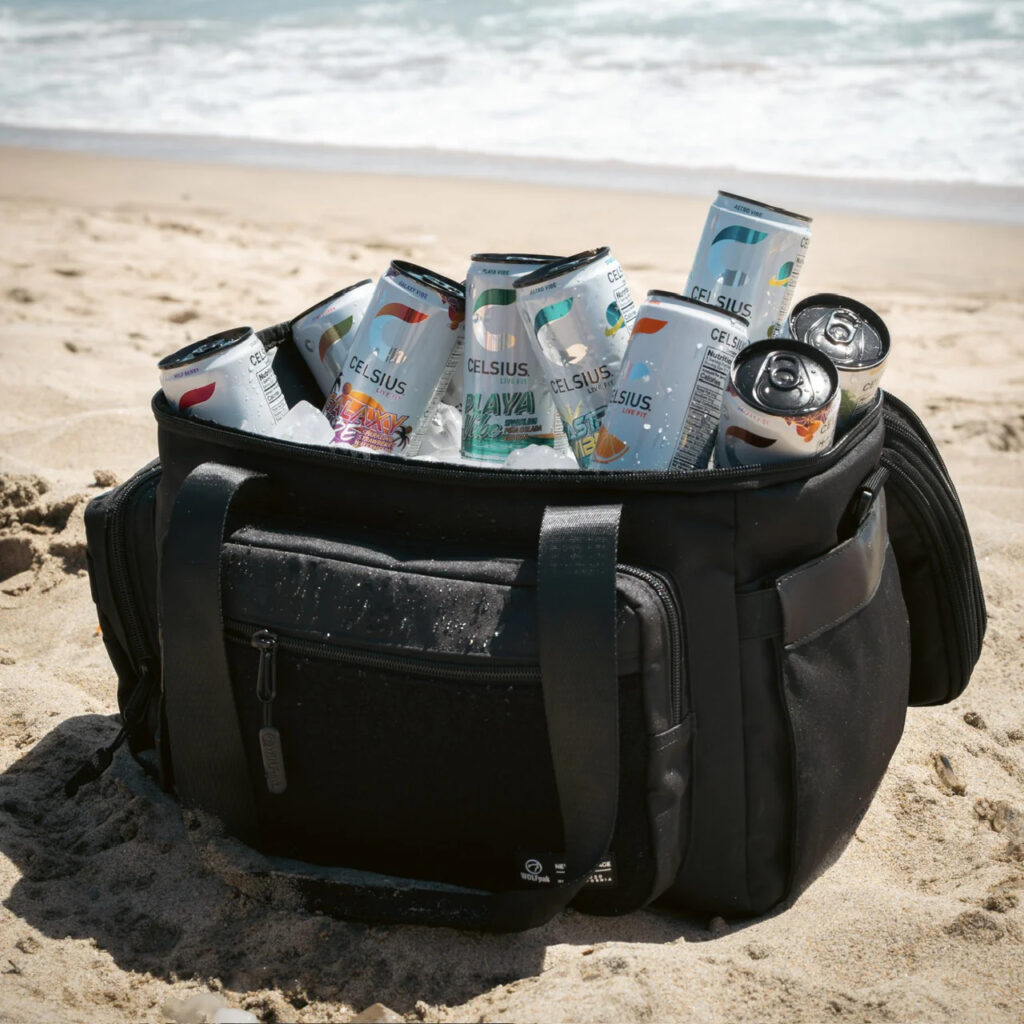
Packing a cooler bag might seem straightforward, but there’s a science to keeping your items colder for longer. These advanced techniques will help you get the most out of your cooler, whether you’re prepping for a picnic, a long trip, or transporting perishables.
Layering & Insulation Techniques
1. Zonal Packing Method
Think of your cooler like a layered cake—each section has a specific purpose:
- Bottom Layer: Start with block ice or a frozen base. This acts as the foundation for long-lasting cooling.
- Middle Layer: Place perishables like meats and dairy here. Keep them in insulated containers to maintain their temperature and avoid contamination.
- Top Layer: Add pre-chilled drinks and non-sensitive items like fruits or snacks. These are easy to grab without disturbing the colder layers below.
This structure ensures consistent cooling while keeping your essentials organized.
2. Airflow Management
Air gaps are your enemy when it comes to ice retention. Fill empty spaces with towels, bubble wrap, or even extra clothing to minimize heat convection. And remember—keep warm items, like your hands or recently used containers, away from the cooler. Every bit of heat adds up!
Content Preparation
1. Pre-Chilling Food & Drinks
Warm items are ice’s worst nightmare. Freeze meals 24 hours before packing to keep them colder longer. Use vacuum-sealed bags to avoid freezer burn and keep your food fresh. For drinks, chill them in the fridge first. Adding warm beverages to a cooler will melt your ice much faster.
2. Density Matters
The items you pack affect how well your cooler retains cold. Dense foods like meats and cheeses stay colder longer than airy ones like bread or chips. Prioritize packing heavier, dense items and keep lighter, less temperature-sensitive items on top.
Environmental & Usage Optimization: Protecting Your Cooler Bag from Heat
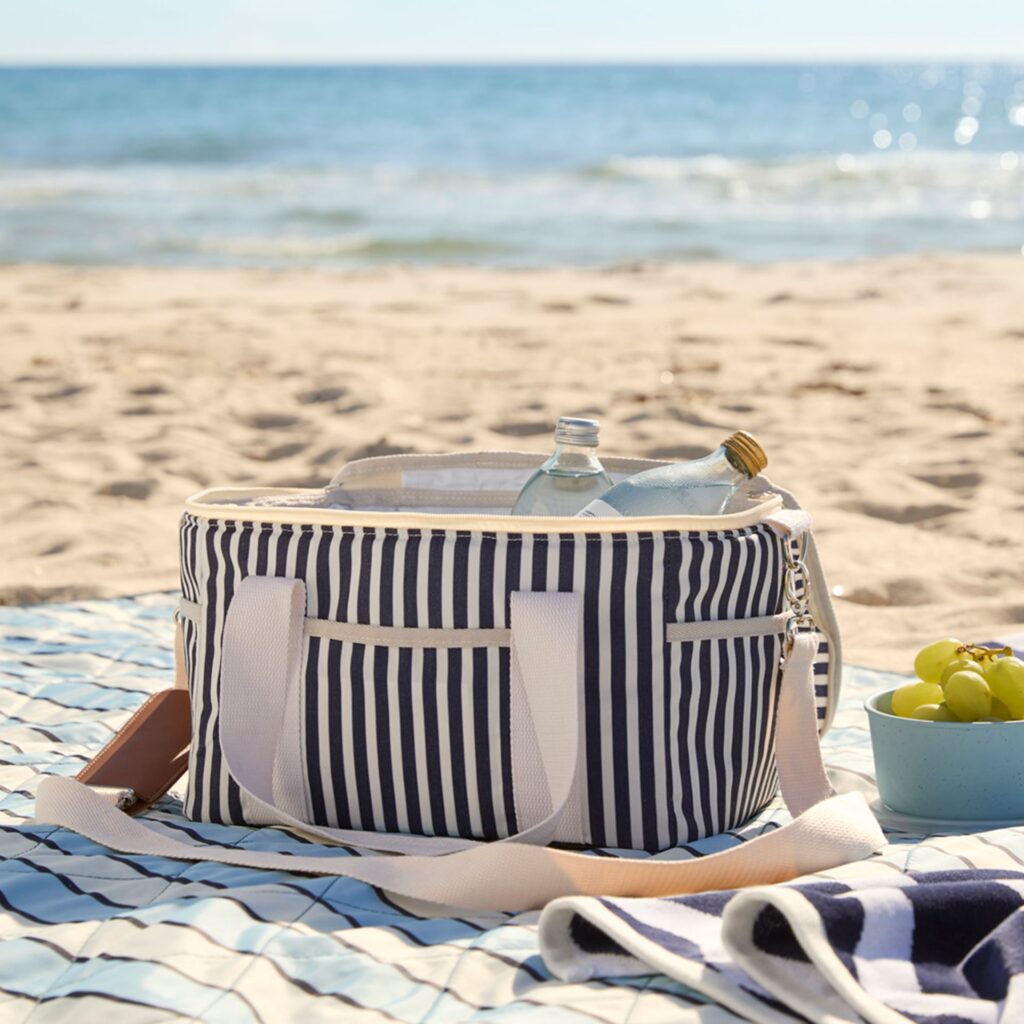
Even the best-prepped cooler bag can struggle if you don’t consider external factors. The environment and how you handle your cooler bag play a big role in keeping things cold. Here’s how to optimize its performance in different conditions:
Temperature & Location Management
1. Ambient Temperature Impact
Hot or cold weather directly affects ice retention. In 30°C+ climates, hard-sided coolers with at least 2 inches of insulation are your best bet. To reduce heat exposure, reposition the cooler in the shade every 2 hours.
En cold weather, the challenge shifts to preserving internal temperature. Limit how often you open the bag, as cold air escapes quickly. Keeping the cooler closed is especially crucial during long trips.
2. Sun Protection & Insulation
Direct sunlight accelerates ice melt. Cover your cooler with reflective blankets (like those lined with aluminum foil) to block solar radiation. For added protection, elevate the cooler off hot surfaces, such as sand or pavement, using insulated pads. This reduces heat transfer from the ground.
Minimizing Heat Ingress
1. Opening Frequency
Every time you open your cooler bag, warm air rushes in, increasing the melt rate by as much as 15%. Plan your access—group all your items together to minimize openings. For group trips, designate one person to handle the cooler to prevent constant rummaging.
2. Seal Maintenance
Airtight seals are critical for maintaining low temperatures, especially for premium models like YETI. Check the gaskets regularly for cracks or damage. If you notice issues, replace the seals immediately to keep the cooler airtight and efficient.
By managing temperature, location, and minimizing heat ingress, you can significantly extend ice retention. In the next section, we’ll focus on packing techniques to maximize cooling efficiency.
Technical Insulation & Materials: The Science Behind Cooler Bag Performance
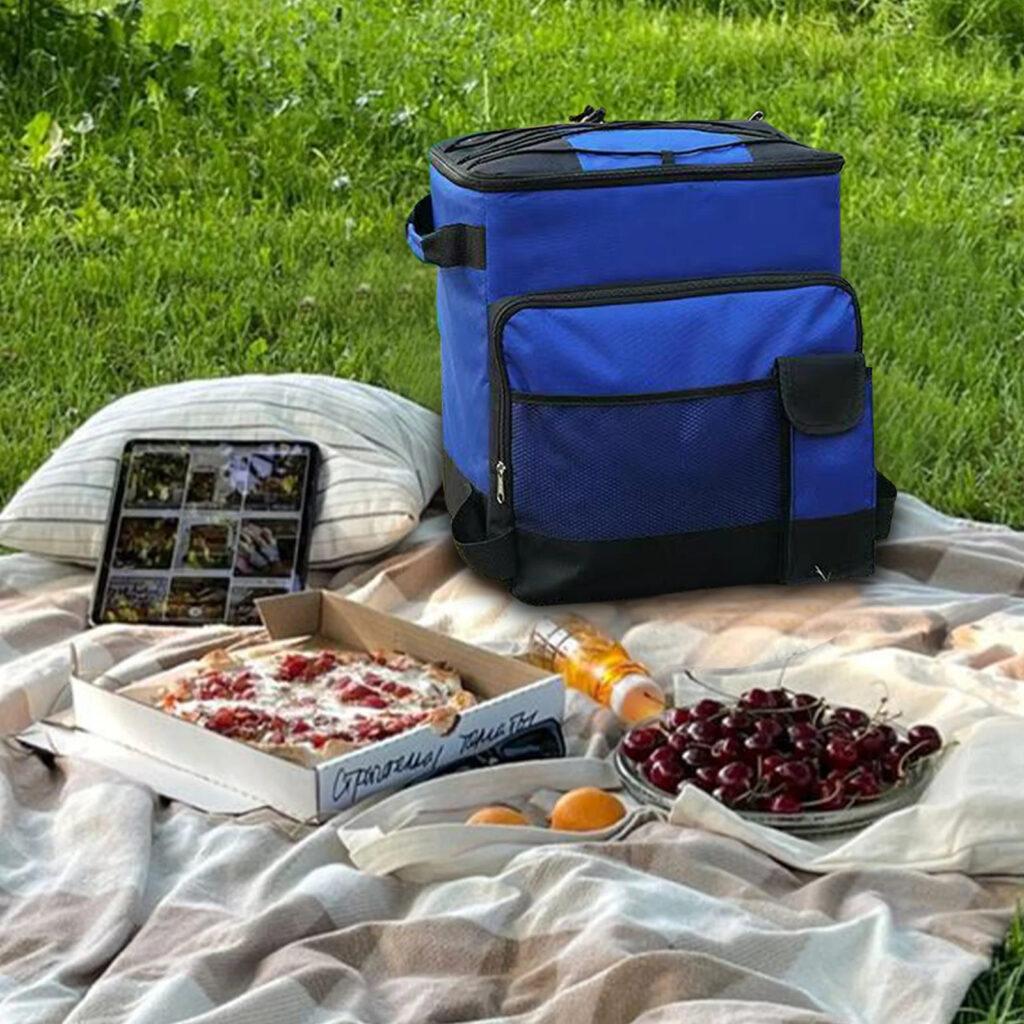
The type of insulation and materials used in cooler bags directly impacts their ability to retain ice. For both individual buyers and bulk purchasers, understanding these design factors and ways to enhance insulation can make a big difference. Let’s break it down:
Cooler Bag Design Factors
1. Types of Insulation
- Hard-Sided Coolers: These are built for maximum performance. Most models, like the YETI Tundra, use rotomolded plastic with 2–4 inches of polyurethane foam (PU). This allows them to retain ice for 5+ days, even in demanding conditions. They’re highly durable, offering excellent impact resistance and wear-and-tear performance, making them a favorite for bulk buyers looking for long-term use.
- Soft-Sided Bags: Feature PEVA liners + EPE foam (8–12 hrs). Ideal for lightweight needs from our fabricant de sacs à dos.
- Vacuum Insulation: Premium models, such as Corkcicle coolers, use double-walled vacuum insulation. This advanced technology minimizes heat conduction and is ideal for buyers who need extreme thermal performance in a compact design.
2. Durability for Bulk Buyers
For those purchasing in bulk, durability is a key consideration. Hard-sided coolers excel in impact resistance, while soft-sided bags are better for everyday portability. Look for reinforced stitching, tear-resistant outer materials, and corrosion-resistant zippers to ensure longevity.
Upgrading Insulation
1. DIY Insulation Hacks
- Rigid Foam Boards: Want to improve the performance of a soft cooler? Line the interior with 1–2 inches of rigid foam boards. This boosts thermal resistance and can extend ice retention significantly. It’s an affordable and easy upgrade, especially for bulk orders where cost efficiency matters.
- Silica Gel Packets: Ice dilution from melting water can reduce cooling efficiency. Place silica gel packets inside your cooler to absorb moisture and keep it dry. This simple trick helps maintain ice in its solid state for a longer period.
By understanding the materials and insulation of cooler bags—and knowing how to enhance them—buyers can make smarter decisions. Whether you’re a weekend adventurer or a business ordering in bulk, these insights ensure you get the best performance for your needs. Ready for the final step? Let’s summarize how to choose the right cooler bag for any purpose!
Maintenance & Long-Term Performance: Keep Your Cooler Bag in Top Shape
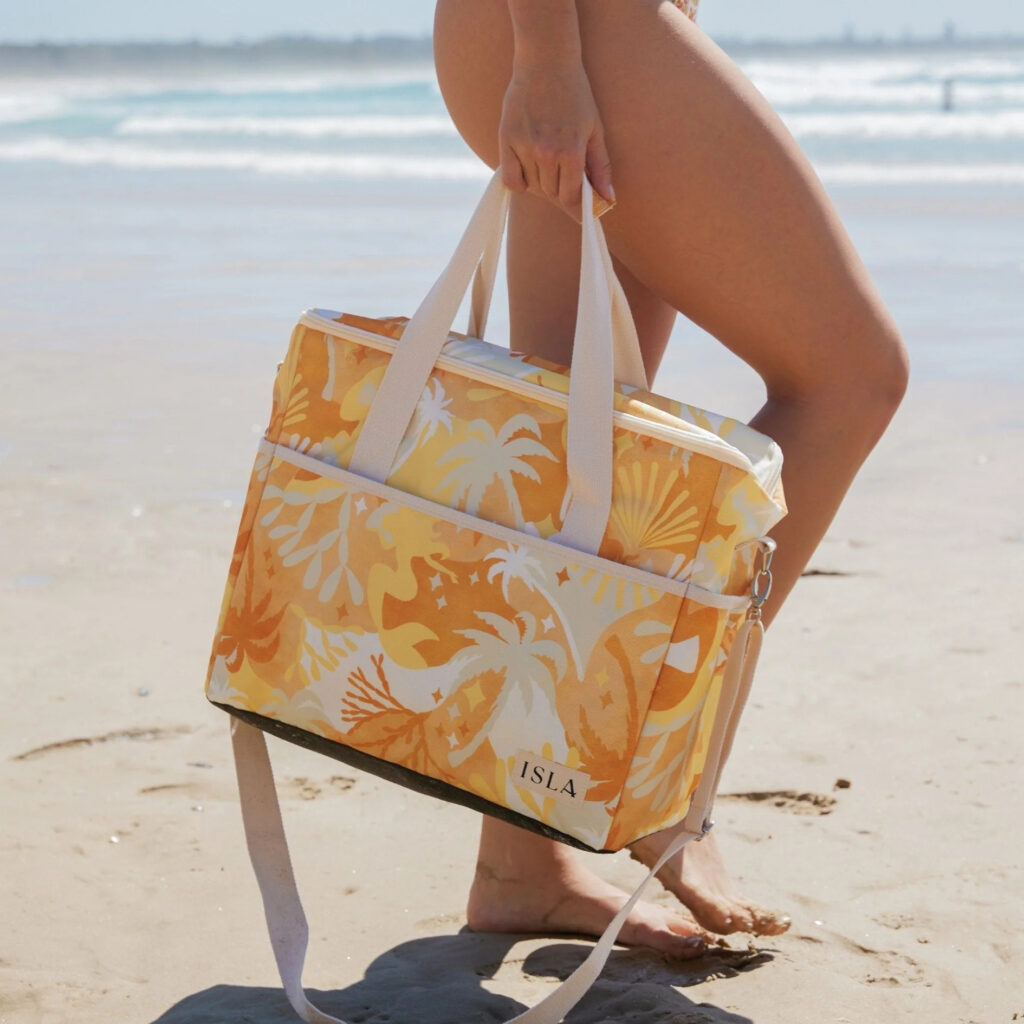
A well-maintained cooler bag not only lasts longer but also performs better over time. Whether you’re a casual user or a bulk buyer, proper care and attention to long-term durability can maximize your investment. Here’s everything you need to know:
Post-Use Care
1. Drying & Odor Control
After each use, clean your cooler bag to maintain its insulation efficiency and prevent odors:
- Rinse the interior and exterior with mild soap and water. This removes food residue and bacteria that can cause mold.
- Air dry the cooler with the lid slightly ajar. Keeping it fully closed traps moisture, leading to mildew, which can compromise the insulation.
- For odor control, place baking soda ou activated charcoal inside the cooler after use. These neutralize any lingering smells and keep the bag fresh for the next trip.
2. Ice Pack Maintenance
Gel packs are a key part of cooler efficiency, but they need care too:
- Replace gel packs every 2–3 years to ensure they’re functioning properly. Over time, the gel can break down and lose effectiveness.
- For small leaks, patch them with waterproof tape instead of discarding the pack. This works well for minor damage and extends their usability.
Warranty & Durability
1. Premium Brand Benefits
When investing in high-end cooler brands like Grizzly ou YETI, you’re not just paying for performance—you’re also paying for peace of mind. Many premium brands offer lifetime warranties. These warranties often include free repairs for issues like damaged seals or cracks, ensuring the cooler maintains its insulation integrity.
2. Bulk Purchase Support
For B2B clients ordering cooler bags in bulk, check for return policies and post-purchase support. Many manufacturers provide special warranties or repair services for bulk buyers. This is particularly important for businesses that rely on consistent performance, such as catering companies or outdoor event organizers.
By following these maintenance tips and taking advantage of warranties, you can ensure long-term performance and durability. A well-cared-for cooler bag isn’t just a tool—it’s a reliable companion for every adventure or business need.
Specialized Use Cases: Tailoring Cooler Bags for Specific Needs
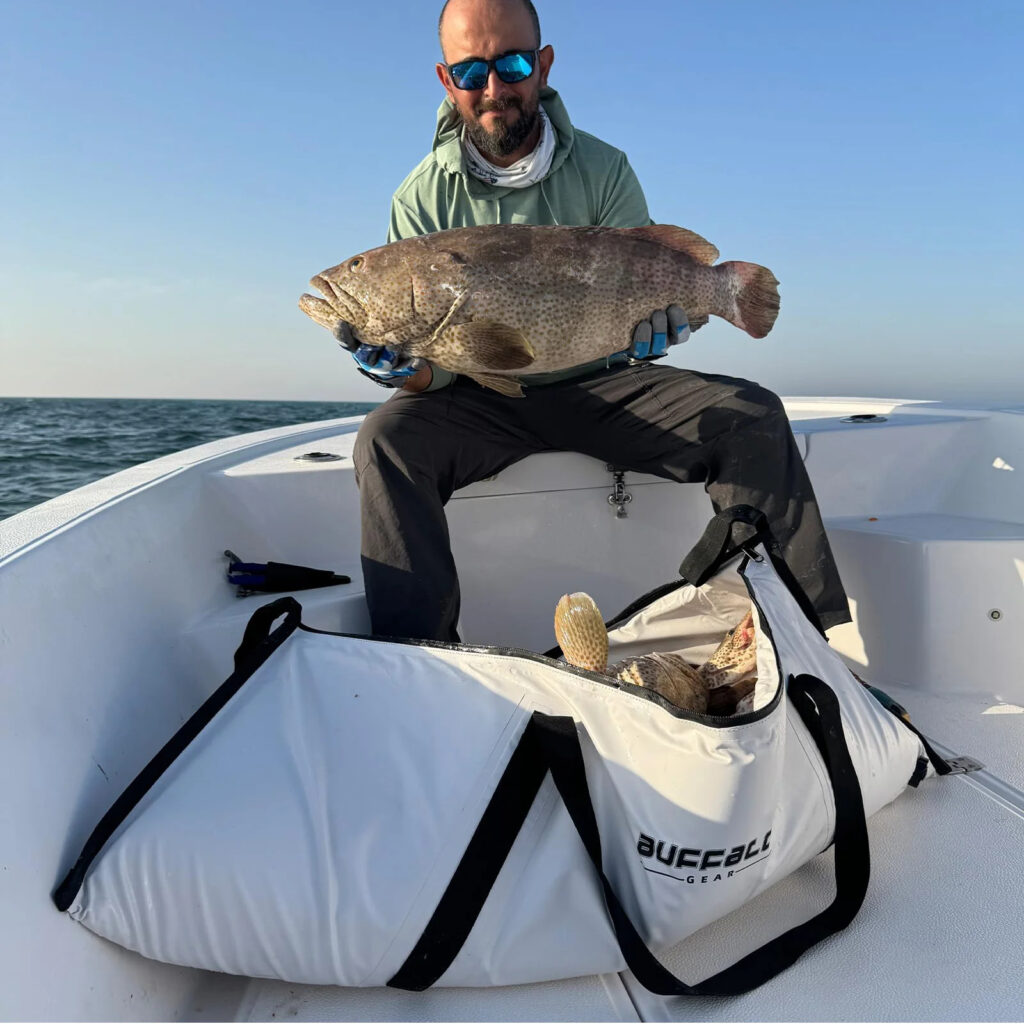
Cooler bags go beyond picnics and road trips—they’re essential tools for specialized activities like camping and medical transport. Here’s how to optimize them for these unique use cases:
Camping & Extended Trips
1. Multi-Ice Source Strategy
Long camping trips require strategic cooling to ensure your food and drinks stay fresh for the duration. The best approach? Combine block ice et cubed ice:
- Block Ice: Ideal for long-term cooling, as it melts slowly over 48–72 hours. Place it at the bottom of your cooler for foundational cold retention.
- Cubed Ice: Melts faster but provides immediate cooling for items you’ll use early in your trip. Layer it on top or around frequently accessed items.
This combination ensures consistent cooling, even for trips lasting several days.
2. Solar-Powered Solutions
For camping in remote areas, go beyond traditional ice. Portable solar-powered chillers are a game-changer. These compact devices use solar panels to keep your cooler bag at a consistent temperature without relying on ice. They’re perfect for environmentally conscious campers or those venturing far off-grid.
Medical & Pharmaceutical Transport
1. Maintaining Critical Temperatures
When transporting sensitive items like vaccines or insulin, precise temperature control is non-negotiable. Cooler bags for medical use should:
- Incorporate phase change materials (PCMs), which maintain a stable temperature range of 2–8°C. These materials are more reliable than traditional ice packs for maintaining exact conditions.
- Include temperature monitors to track internal conditions during transport. This ensures compliance with medical standards and prevents spoilage.
2. Customization for Bulk Orders
For businesses handling medical or pharmaceutical shipments, customization is key. Look for cooler bag options that allow for:
- Custom inserts to hold vials, syringes, or other medical items securely.
- Branding opportunities for bulk orders, such as adding logos or specific labeling for easy identification.
- Enhanced insulation or additional PCM compartments tailored to specific temperature requirements.
Conclusion: Mastering Ice Retention and Looking Ahead
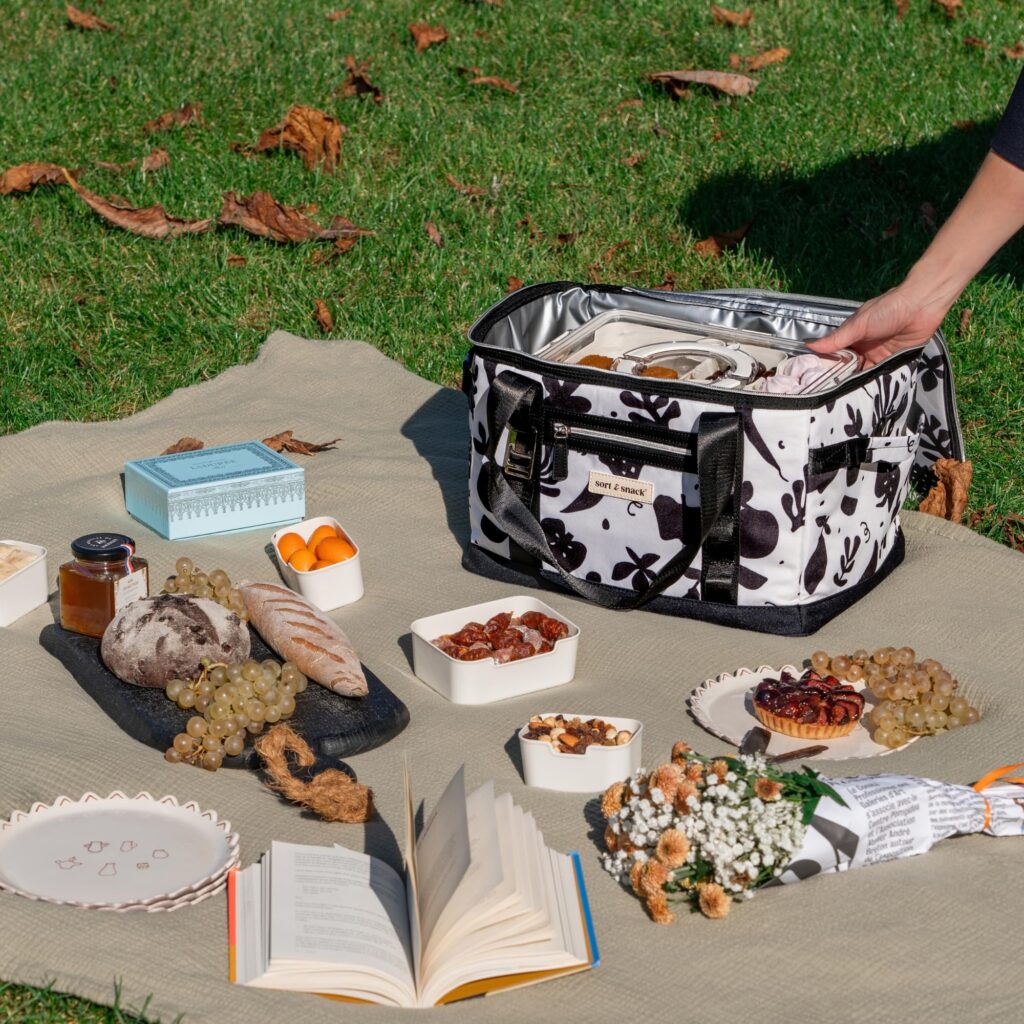
Maximizing ice retention in cooler bags comes down to a combination of preparation, smart packing, and environmental awareness. With these strategies, you can make the most out of your cooler bag, whether for a day trip, a multi-day adventure, or specialized uses. Let’s recap the key takeaways and look at future innovations shaping the industry.
Key Retention Strategies
- Pre-Cooling:
Freeze the cooler bag and its contents at least 24 hours in advance. Pre-chill drinks, meals, and ice packs to reduce the initial cooling burden. - Optimal Packing:
- Use a 1:1 ice-to-content ratio for best results.
- Follow the zonal layering method: block ice at the bottom, perishables in the middle, and lighter, less sensitive items on top.
- Eliminate air gaps by filling empty spaces with towels or bubble wrap to minimize heat transfer.
- Environmental Management:
- Keep the cooler in the shade and elevate it off hot surfaces using insulation pads.
- Minimize openings—each time you open the cooler, the internal temperature rises by 15%.
Duration Expectations
The type of cooler bag you use determines how long it will retain ice. Here’s what you can expect under average conditions:
- Soft-Sided Bags: Retain cold for 8–12 hours with gel packs in 25°C temperatures. Perfect for short outings or daily use.
- Hard-Sided Coolers: Retain ice for 3–5 days with block ice in 30°C conditions, making them ideal for camping or longer trips.
- With Dry Ice: Extend cold retention to 72+ hours, especially for frozen goods or medical transport.
Future Innovations
The cooler bag industry continues to evolve, with exciting innovations on the horizon:
- Smart Coolers:
Des marques comme YETI et Corkcicle are working on smart cooler models for 2025, featuring built-in thermometers and app alerts to monitor internal temperatures in real time. - Biodegradable Insulation Materials:
Expect to see eco-friendly options with insulation made from plant-based foams, reducing environmental impact without sacrificing performance.


 English
  Spanish
  German
  French
  Russian
  Portuguese
  Italian
  Polish
  Swedish
  Finnish
  Danish
  Greek
Greek