
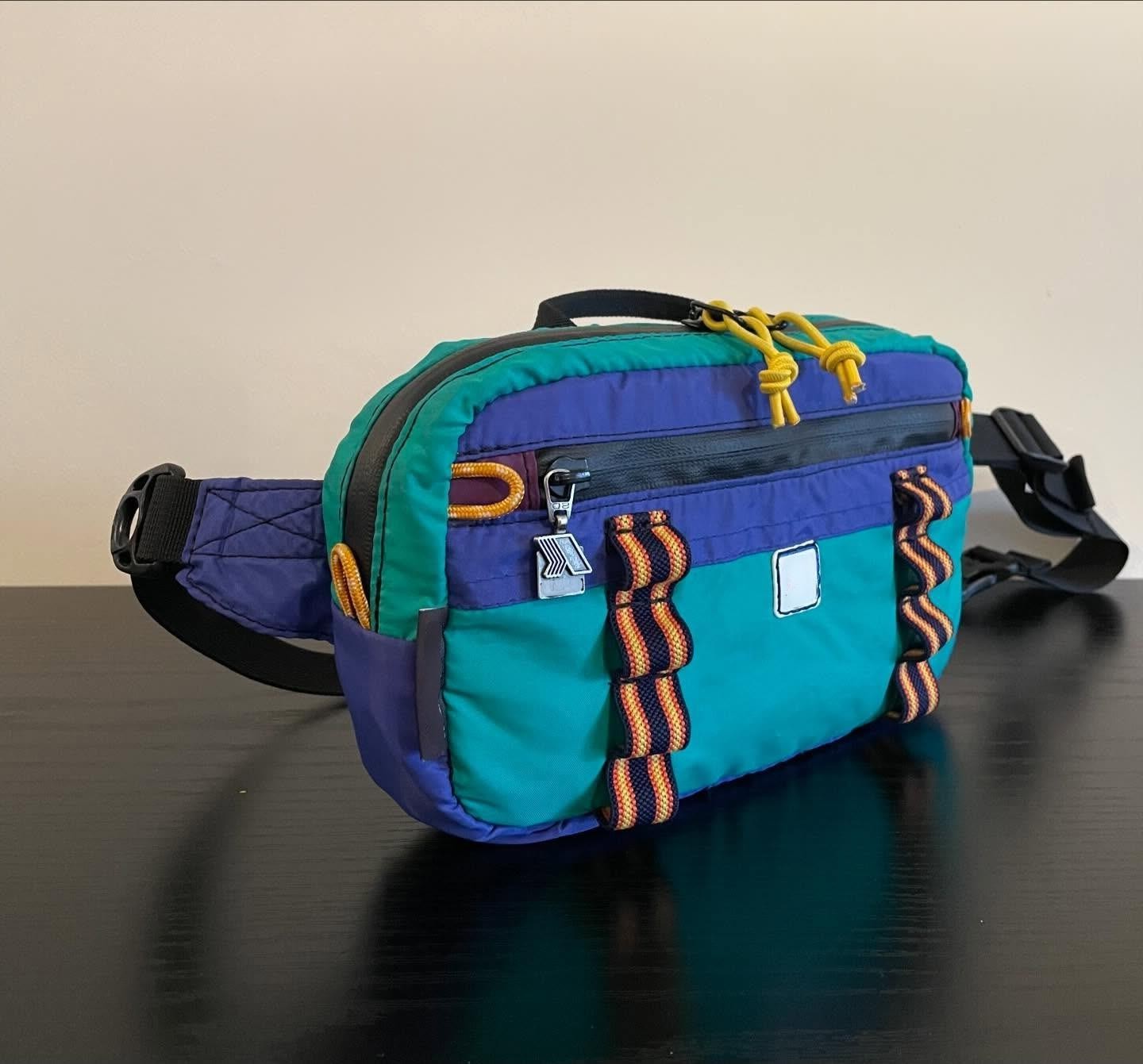
The Fanny Pack: From Tourist Stereotype to Fashion Icon
Once seen as the ultimate tourist cliché, the fanny pack has made an impressive comeback. Today, it’s a fashion staple, loved by influencers, celebrities, and everyday people alike.
But have you ever wondered why it’s called a “fanny pack”? The name isn’t just quirky—it’s packed with cultural history and regional slang. Pourquoi appelle-t-on cela un sac banane ?
In the U.S., we know it as the fanny pack. But across the pond, it’s called a bum bag, and in some markets, it’s rebranded as the sac à ceinture for a more modern twist.
These regional differences reflect not only language but also how cultures perceive the accessory. Understanding this linguistic puzzle is essential for brands and customers alike, especially in a global market.
Want to know the full story behind the name? Let’s dive into the cultural and linguistic shifts that made the fanny pack what it is today! Pourquoi appelle-t-on cela un sac banane ?
Why Is It Called a Fanny Pack?

The term “fanny pack” has its roots in American English, where “fanny” is a playful slang term for the buttocks. It comes from the 19th-century euphemism “fanney,” used to avoid more direct language.
Since the bag was originally designed to sit around the waist, near the buttocks, the name made perfect sense. The first recorded use of “fanny pack” appeared in a 1972 issue of The New York Times, where it was described as a practical hiking accessory. Pourquoi appelle-t-on cela un sac banane ?
But not everyone calls it a fanny pack. In the UK and Australia, it’s known as a bum bag. Why? Because “bum” is British slang for buttocks, and “fanny” has a very different—and vulgar—meaning in those regions.
Across L'Europe, the term sac à ceinture gained popularity, especially in high fashion, where the focus is on its sleek, minimalist design. Meanwhile, in Canada, the bag is often called a waist pack, a neutral term that avoids regional slang altogether. Pourquoi appelle-t-on cela un sac banane ?
These variations aren’t just linguistic quirks—they highlight how cultural differences shape even the simplest products. Understanding these terms helps businesses and customers connect across global markets.
The Historical Journey of the Fanny Pack
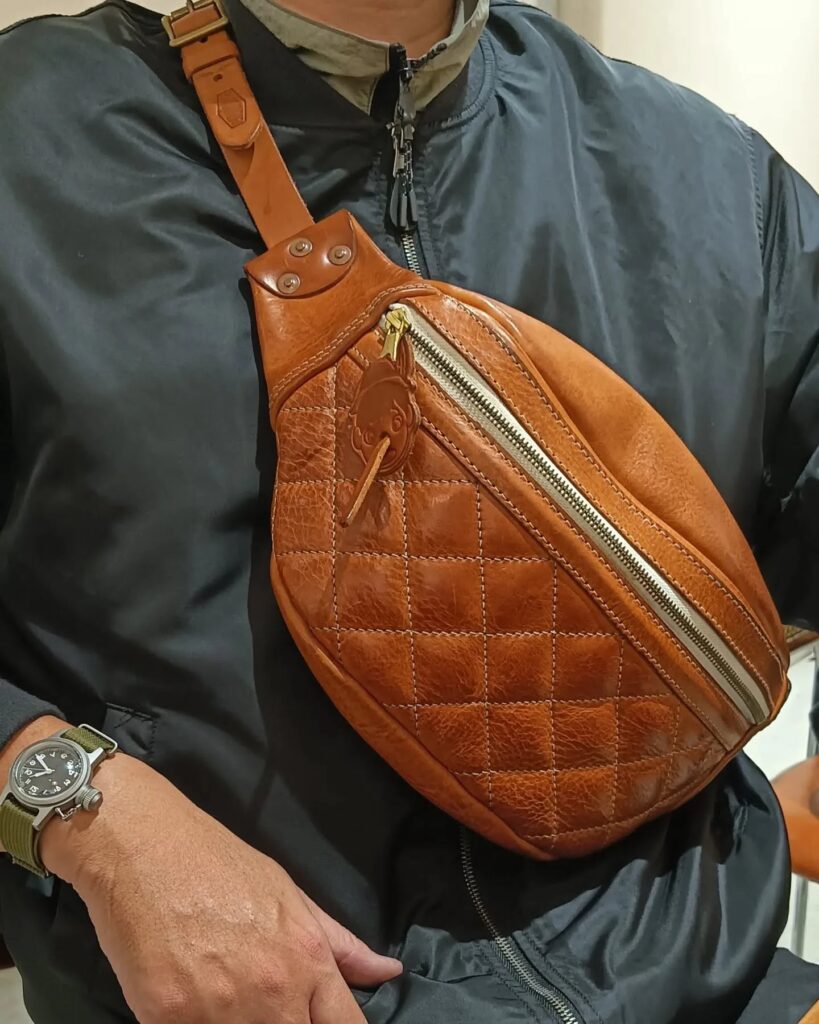
The concept of the fanny pack isn’t as modern as you might think. Its roots go back thousands of years. In ancient Rome, soldiers wore leather belts called cingulum, equipped with pouches for carrying tools and rations.
Fast forward to the Middle Ages, and decorative waist bags—known as poches—became a status symbol for nobles, often embroidered with family crests or intricate designs. These early versions were both functional and fashionable, much like the fanny packs we know today.
By the 1980s, brands like Reebok and Adidas marketed sporty versions, calling them hip packs for athletes. Today, modern fabricants de sacs à dos continue this innovation with technical fabrics and ergonomic designs.
The use of durable materials like nylon paved the way for specialized usines de sacs imperméables that now enhance functionality across all bag categories. Pourquoi appelle-t-on cela un sac banane ?
From ancient belts to pop culture staples, the fanny pack has always found a way to evolve with the times. Its unique blend of utility and style keeps it relevant, no matter the era.
Cultural and Linguistic Shifts: Why Names Matter

The name “fanny pack” might seem innocent in the U.S., but it’s a whole different story in the UK. There, “fanny” is slang for female genitalia, making the term not just awkward, but downright offensive.
To sidestep this, the British adopted “bum bag”, referencing the accessory’s placement near the buttocks. In Canada, brands and consumers play it safe with “waist pack”, avoiding both regional slang terms entirely.
As the accessory moved beyond its reputation as a tourist cliché, new names emerged. In the 1990s, terms like “hip pack” et “waist pouch” came into play, aiming to make the bag sound more versatile and fashionable.
The fashion industry took this rebranding to the next level. Luxury brands like Gucci and Prada introduced the term “belt bag” to align with minimalist aesthetics.
This rebranding mirrors the rise of versatile carrying styles like sacs de poitrine et sacs à bandoulière, which offer similar hands-free convenience. For businesses, exploring customizable product lines allows alignment with these evolving preferences.
In 2018, Louis Vuitton boldly reclaimed the term with its “Bumbag” campaign, blending street style with high fashion. Meanwhile, affordable brands leaned toward neutral terms like "sac de taille", ensuring mass appeal across different demographics.
These cultural and linguistic shifts show how a simple name can shape perceptions and expand the audience for a product. Whether it’s a bum bag, sac à ceintureou fanny pack, the accessory continues to adapt to global tastes and sensitivities.
Global Names: How the Fanny Pack Speaks Every Language
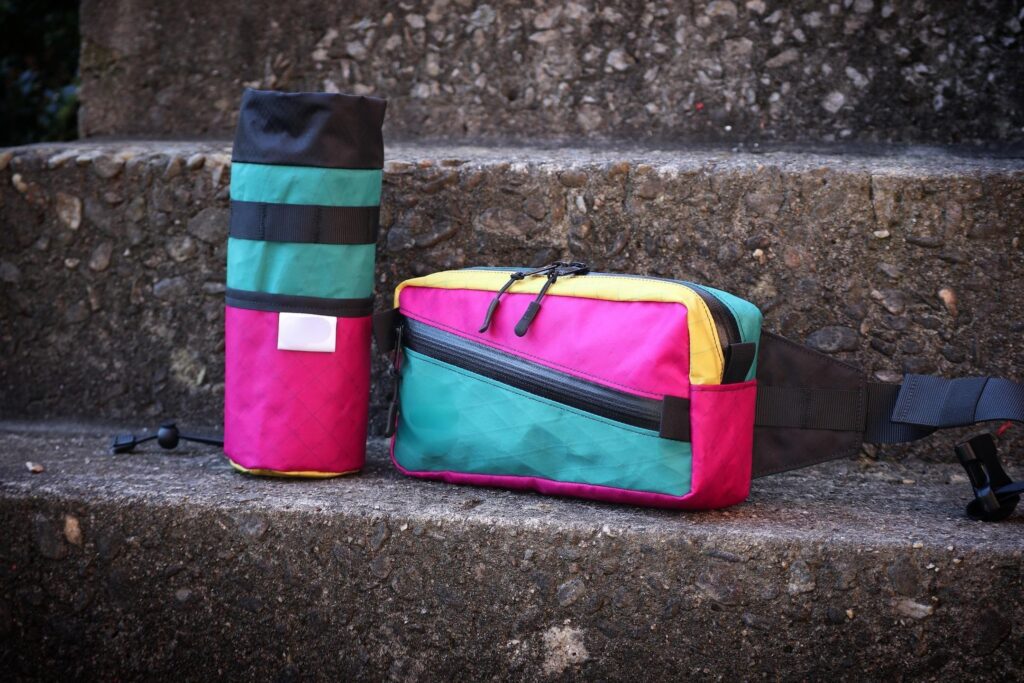
Le fanny pack may have a quirky name in English, but its global counterparts reflect fascinating cultural nuances. In France, it’s called a "sac banane, or “banana bag,” thanks to its curved shape.
This term gained popularity in the 1980s, especially when designer Claude Montana brought it into the fashion spotlight. In Spain, the bag is known as a "riñonera", or “kidney bag,” because its placement on the lower back resembles the location of the kidneys.
Meanwhile, in Japon, it’s called ウエストポーチ (wesuto poochi)—a transliteration of “waist pouch,” chosen for its sleek, modern appeal.
Regional slang also plays a big role. In Australia and New Zealand, the term “bum bag” dominates, though some people occasionally refer to it as a sac de sport, blurring the lines between accessories.
In Germany, it goes by “Gürtelbeutel” or the playful “Poetasche”. These variations highlight the bag’s adaptability, much like the global popularity of sacs à bandoulière as a fashionable alternative.
These diverse names highlight how the fanny pack’s identity shifts across languages and cultures. Whether it’s a banana bag, kidney bagou belt pouch, this accessory proves it can adapt to any region while maintaining its universal practicality.
Why Choose Pecbag for Custom Belt Bags and Pouches?
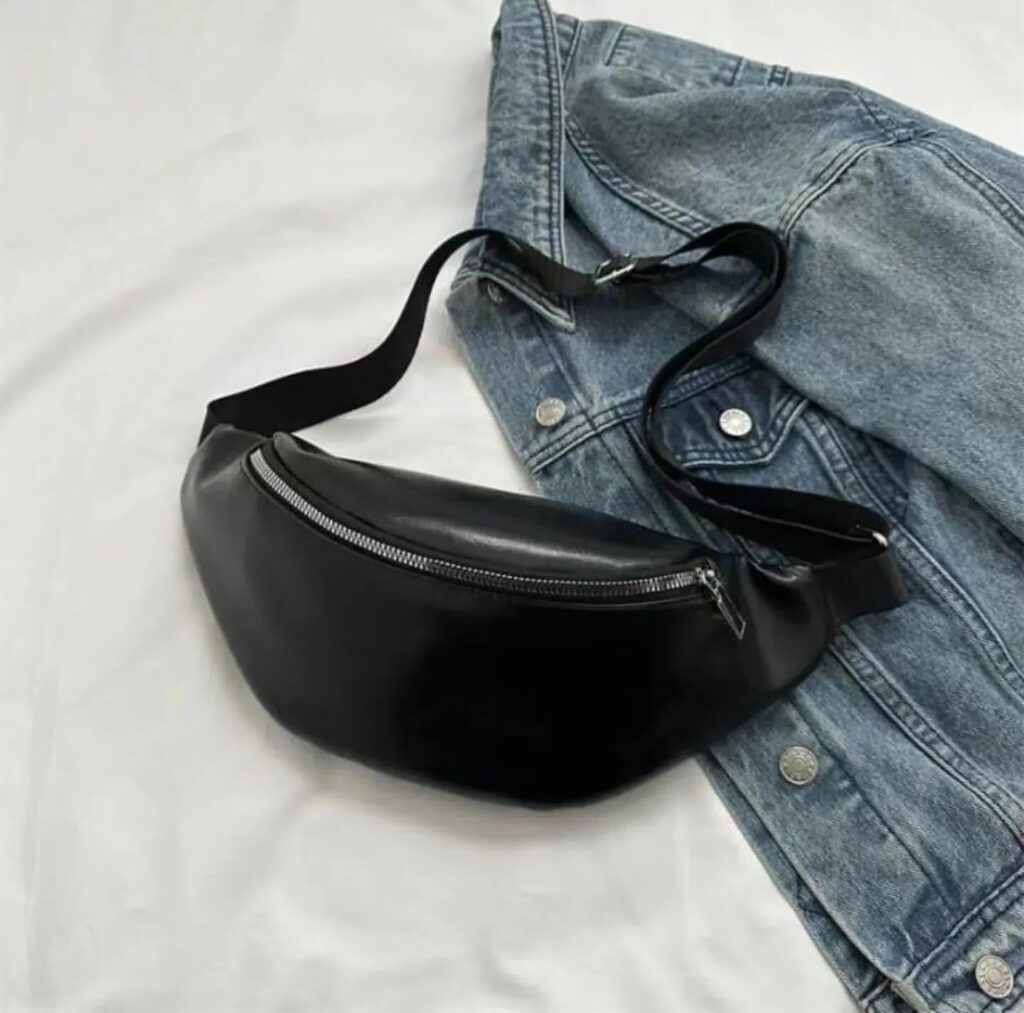
Looking for a partner who truly understands the global market for sacs à ceinture and pouches? At Pecbag, we blend cultural insights with manufacturing excellence.
Notre catalogue de produits features versatile designs from spécialistes de l'étanchéité à backpack experts. Whether you need rugged sacs de poitrine for outdoor brands or sleek sacs à bandoulière for urban markets, we deliver tailored solutions.
Our deep understanding of cultural and linguistic differences—like calling it a “bum bag” for the UK or a "Sac de ceinture for luxury markets—ensures that your products are perfectly tailored to regional preferences.
We also offer high-quality customization services to help your brand stand out. From matériaux respectueux de l'environnement à dessins non sexistes and innovative features, we deliver products that meet your specific needs.
Whether you’re placing a small order or managing large-scale production, our proven manufacturing capacity guarantees consistent quality every time.
But we don’t stop at production. We provide market insights and trend analysis, helping you leverage cultural nuances and stay ahead of evolving consumer demands.
By aligning your product designs with the latest fashion and utility trends, we help you build strong, lasting connections with your customers.
When it comes to custom sacs à ceinture and pouches, Pecbag is your trusted partner for turning ideas into products that sell.
Conclusion: The Power of a Name
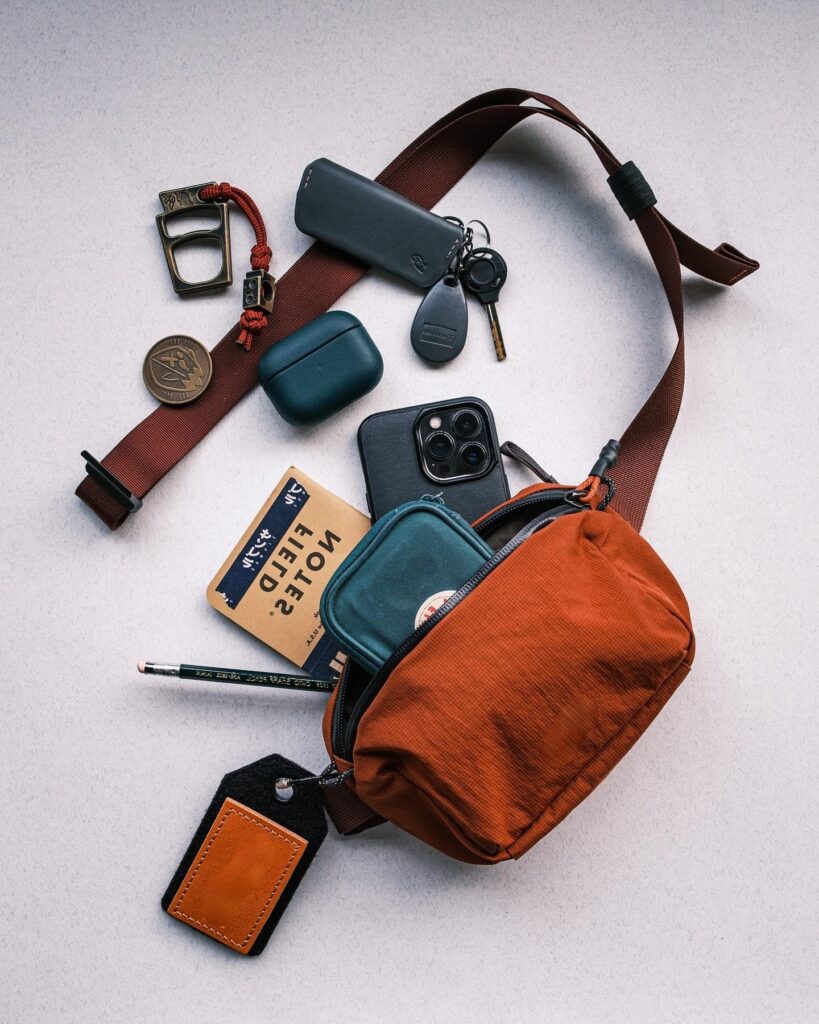
The story of the fanny pack is more than just about an accessory—it’s a reflection of culture, language, and shifting trends. In the U.S., it’s proudly called a fanny pack, while regions like the UK use “bum bag” for cultural sensitivity.
As it evolved from the utilitarian “waist pack” to the high-fashion "Sac de ceinture, the name has always mirrored its place in society, whether as a tourist cliché or a streetwear essential.
For consumers, choosing the right term can depend on the context: go with "Sac de ceinture for a chic, fashion-forward vibe or “waist pack” pour les aventures en plein air.
For brands, tailoring terminology to specific markets is key. Use "fanny pack" for the U.S., “bum bag” for the UK, and explore modern, neutral alternatives like “hip pouch” to appeal to global audiences.
Looking forward, the naming of this accessory is likely to evolve further. Expect to see gender-neutral terms like “hip pouch” gaining traction, or sustainability-focused names like “eco belt bag” may gain traction, leveraging innovations from usines de sacs imperméables.
As designs evolve, hybrid styles like sacs à bandoulière with fanny pack functionality will continue blurring categories. Explore these possibilities through our comprehensive product offerings.
As brands continue to adapt to regional preferences and global trends, the humble fanny pack will remain a versatile symbol of both utility and style.



 English
  Spanish
  German
  French
  Russian
  Portuguese
  Italian
  Polish
  Swedish
  Finnish
  Danish
  Greek
Greek