

Introduction
Drying a backpack the right way is more important than you might think. It’s not just about getting rid of water—it’s about protecting the bag’s durability, preventing mold and mildew, and keeping it functional for years to come.
Whether your backpack is soaked from rain, sweat, or a thorough wash, improper drying can lead to serious problems. Materials can weaken, seams can come apart, and unpleasant odors can set in.
For bulk buyers, like wholesalers or sellers, knowing safe drying techniques ensures the longevity of waterproof backpacks and reduces customer complaints.
In this guide, we’ll walk you through effective methods to dry backpacks for every scenario, so you can keep them in top condition—whether it’s one bag or a hundred.
Pre-Drying Preparation

Drying a backpack starts with proper preparation. Skipping this step can lead to trapped moisture, which damages the bag over time. Here’s how you can get your backpack ready for drying, whether handling one backpack or a bulk order.
A. Removing Excess Moisture
Shake and Squeeze
- Shake it out: Hold the backpack firmly and shake it vigorously. This helps dislodge standing water, especially from corners and folds.
- Squeeze gently: Use your hands to press out moisture from fabric folds. Avoid wringing, as this can damage the fabric or stitching.
- For waterproof backpacks or dry bags: Open all zippers and unroll the top closure to release any trapped water. These bags often hold water in hidden folds, so double-check.
Empty and Clean
- Remove contents: Take everything out—electronics, toiletries, clothing—so nothing gets damaged or traps moisture inside.
- Shake out debris: Turn the bag upside down and give it a good shake to remove dirt, sand, or loose items.
- Wipe it down: Use a dry cloth to absorb residual moisture from the interior, paying attention to pockets, compartments, and seams. These areas tend to hold water longer.
B. Disassembling Components
Detach Removable Parts
- Remove straps, waist belts, and rain covers. These are best dried separately to avoid tangling or uneven drying.
- For backpacks with metal hardware (like buckles and zippers), dry them immediately to prevent rust formation. A soft, dry cloth works well for this.
For Bulk Buyers
If you’re handling backpacks in bulk, ensure that detachable parts are easy to remove and labeled with care instructions. This makes it easier for end users to maintain the bag and prevent long-term damage.
By preparing your backpack for drying correctly, you’re already halfway to preserving its functionality and extending its lifespan!
General Drying Methods

Drying a backpack properly is all about balancing time and care. While air-drying is the safest and most effective method, there are ways to speed things up when you’re in a pinch. Here’s how to do it right, step by step.
A. Air-Drying (Recommended for Most Backpacks)
Indoor Air-Drying
- Setup: Hang the backpack upside down from a clothesline, hook, or sturdy hanger. Open all compartments and spread out straps to allow maximum airflow. This will help moisture escape from hidden areas.
- Environment: Choose a well-ventilated area, like near an open window or a fan. Keep the room temperature between 18–24°C (65–75°F). Avoid placing the backpack near radiators, fireplaces, or other heat sources, as intense heat can shrink or warp the fabric.
- Duration: For lightly damp backpacks, air-drying takes around 12–24 hours. Fully saturated backpacks may need 24–48 hours to dry completely.
Outdoor Air-Drying
- Best Conditions: Hang the backpack in a shaded area with low humidity and a gentle breeze. Direct sunlight can damage fabrics, fade colors, and crack leather or coated materials, so always opt for shade.
- Caution: Never leave leather or waterproof-coated backpacks in direct sunlight. UV rays can degrade these materials quickly, leaving them brittle or faded.
B. Accelerated Drying (For Urgent Needs)
Fan-Assisted Drying
- Setup: Position a fan 1–2 feet away from the backpack. Direct the airflow into the open compartments and pockets. This speeds up evaporation in areas where moisture tends to linger.
- Rotation: Every 2–3 hours, rotate the backpack to ensure that all sides dry evenly. This prevents damp spots from lingering.
- Speed: Using a fan can cut drying time by 30–50% compared to air-drying alone.
Overnight Drying Hacks
- Towel Stuffed Drying: Stuff dry towels inside the backpack, focusing on the main compartment and pockets. Towels absorb moisture quickly, but they need to be replaced every 3–4 hours to stay effective.
- Dehumidifier Use: Place the backpack in a small, enclosed room with a dehumidifier running. The dehumidifier extracts moisture from the air, creating an ideal environment for faster drying.
Care Tips for Customers
If you’re sharing these hacks with customers, always include clear warnings to prevent misuse:
- Never use direct heat sources like hair dryers or radiators, as they can damage the fabric or seams.
- For leather or waterproof backpacks, emphasize the importance of avoiding prolonged exposure to sunlight or harsh conditions.
By following these methods, you’ll not only dry your backpack effectively but also protect its materials and extend its lifespan. Whether you’re drying one bag or managing a large inventory, these techniques ensure your backpacks stay in great shape!
Material-Specific Drying Techniques
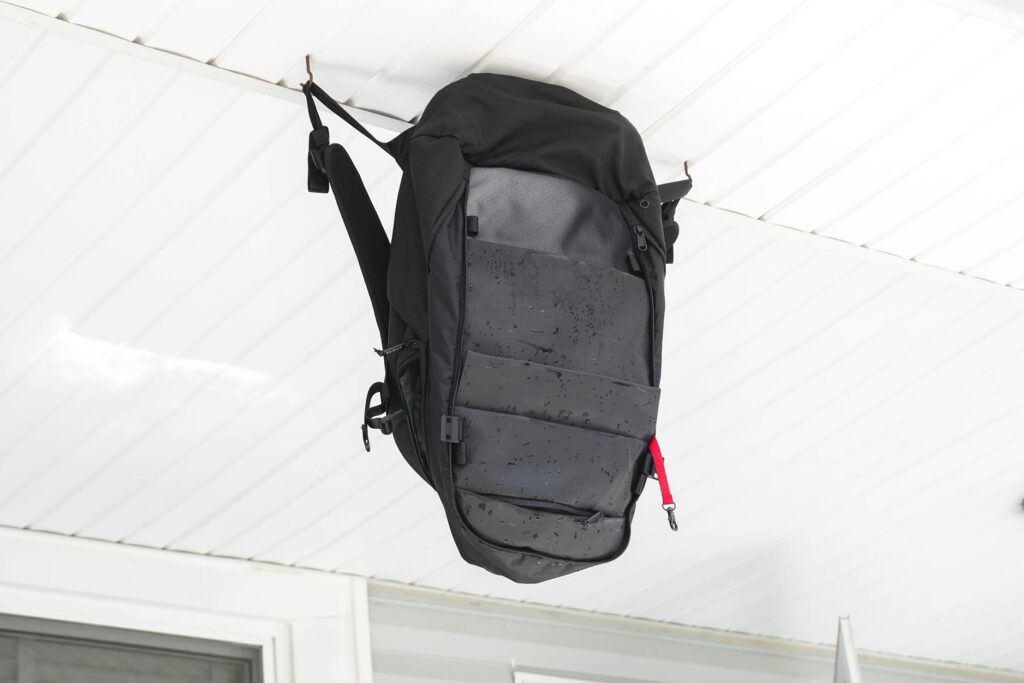
Different backpack materials require different drying approaches to maintain their quality and functionality. Let’s break it down by material type and the best methods to handle each.
A. Nylon and Polyester Backpacks
Characteristics
- Naturally water-resistant, but often retains moisture in seams or folds.
- Can warp or melt under high heat.
Methods
- Air-dry: Lay the backpack flat or hang it in a well-ventilated area. For quicker drying, use a fan on a low setting. Avoid hair dryers or heaters, as high heat can melt plastic components.
- Waterproof nylon (e.g., dry bags): Wipe the exterior clean with a dry cloth. Hang the bag open to air-dry completely. Never machine-dry these bags, as the coatings can degrade.
B. Canvas Backpacks
Characteristics
- Absorbs water deeply, making it slower to dry.
- Can shrink or lose shape if exposed to heat.
Methods
- Blot moisture: Use a towel to absorb as much water as possible.
- Shape and air-dry: Reshape the backpack by gently adjusting its form. Lay it flat on a drying rack. Avoid hanging, as the weight of the water can stretch the straps.
- Canvas-leather blends: For leather parts, dry separately with a soft cloth. This prevents water spots or discoloration on the leather.
C. Leather Backpacks
Characteristics
- Sensitive to water, which can lead to discoloration, stiffness, or cracking.
Methods
- Pat dry: Gently pat the surface with a clean, absorbent cloth to remove water. Avoid rubbing, as this can spread moisture and cause uneven drying.
- Stuff for shape: Insert crumpled paper inside to maintain the bag’s shape and absorb interior moisture. Replace the paper every 4–6 hours until the bag is completely dry.
- Condition: Once dry, apply a leather balm to restore oils and prevent cracking. This step is crucial for long-term leather care.
D. Dry Bags and Waterproof Backpacks
Characteristics
- Built with sealed seams and PVC/TPU coatings that trap moisture inside.
- Designed for durability, making them ideal for bulk buyers looking to reduce returns or complaints.
- Sealed seams/PVC coatings trap moisture, common in high-performance waterproof bags. Ideal for bulk buyers seeking durable solutions.
Methods
- Drain first: Open all zippers and unroll the top closure. Invert the bag to let any trapped water drain out.
- Hang upside down: Suspend the bag by its straps, with the opening facing downward. Use a fan to blow air directly into the opening to dry the interior membrane.
- For bulk buyers: Highlight the durability and easy maintenance of these materials to customers. Proper care instructions can reduce after-sales issues and improve satisfaction.
- Hang upside down to preserve OEM waterproof coatings.
Common Mistakes to Avoid
Drying a backpack may seem straightforward, but a few common mistakes can seriously damage its materials or shorten its lifespan. Here’s what to watch out for and how to avoid costly errors.
A. Heat-Related Errors
Machine Drying
- Tossing a backpack into a dryer might seem like a quick fix, but it’s a big no-no. High heat can melt zippers, warp plastic hardware, or shrink fabrics, especially nylon or polyester. For waterproof backpacks, the heat can delaminate the protective coating, ruining its water resistance.
Direct Sunlight
- Prolonged exposure to sunlight may seem harmless, but it’s not. UV rays can fade colors, weaken fabrics like nylon, and cause leather to crack or dry out. Always choose a shaded spot to protect the backpack’s materials.
Never machine-dry: High heat delaminates waterproof membranes – a critical QC note for backpack manufacturers.
B. Neglecting Hidden Moisture
Missed Compartments and Pockets
- Moisture often hides in hard-to-reach areas like compartments, mesh pockets, or strap padding. If left damp, these spots become breeding grounds for mold and mildew, showing up as black spots or producing a musty odor. Always open every zipper, unroll straps, and wipe hidden areas thoroughly.
C. Improper Hanging
One-Strap Hanging
- Hanging a heavy, wet backpack by a single strap might seem like a good idea, but it’s not. This can stretch the strap or warp the bag’s frame, especially for structured backpacks with internal stays or frames. Instead, hang the backpack upside down using both straps or clip it to a sturdy hook to distribute the weight evenly.
Post-Drying Care
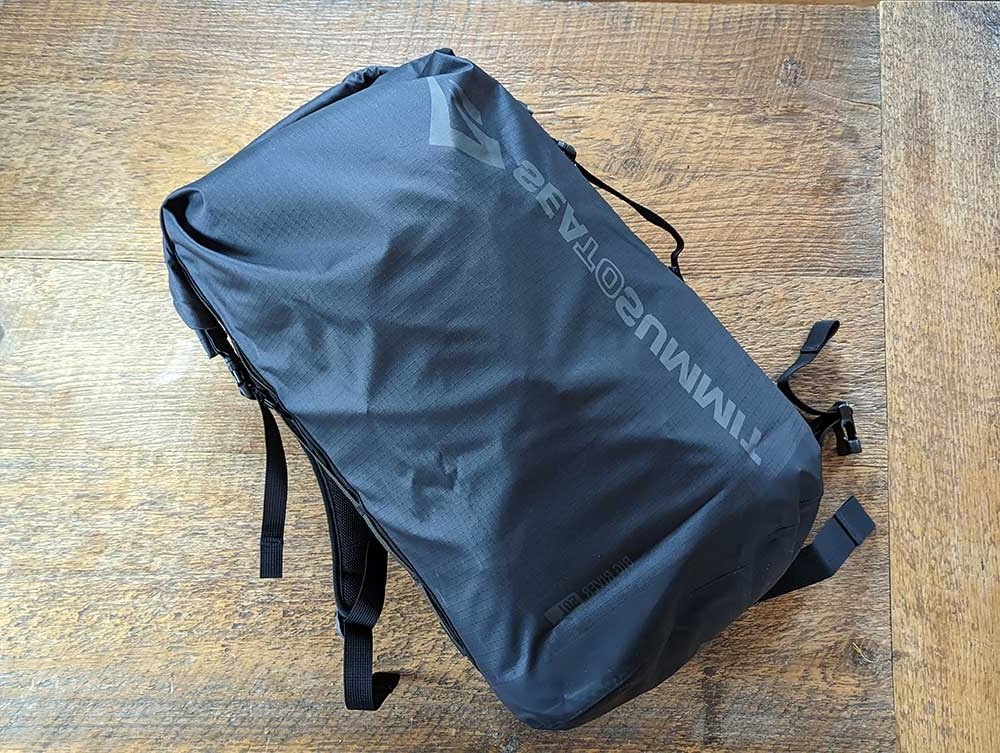
Once your backpack is fully dried, it’s time for some final steps to ensure it’s ready for use or storage. Post-drying care helps eliminate hidden issues, restore functionality, and maintain the bag’s condition over time.
A. Inspecting for Moisture
Check Hard-to-Reach Areas
- Don’t assume every part of the backpack is dry. Focus on seams, zipper tracks, and hidden pockets where moisture can linger. Use a flashlight to carefully examine these spots for dampness.
- For leather backpacks: Feel for stiffness or uneven texture, as this often indicates residual moisture. Address this immediately to avoid cracking.
B. Preventing Odors and Mold
Musty Smells
If you notice a lingering musty odor, act quickly to prevent mold growth:
- Baking Soda Treatment: Sprinkle baking soda inside the backpack and let it sit for 24 hours. This absorbs odors effectively. Shake out the powder and vacuum any remaining residue.
- Vinegar-Water Solution: Mix equal parts vinegar and water, and wipe down the interior with a cloth. This eliminates bacteria and mold spores. Important: Avoid using this solution on leather parts, as vinegar can damage or discolor the material.
C. Restoring Functionality
Reattach and Test
- Reattach any removable straps, waist belts, or rain covers. Ensure they’re securely in place.
- Test all zippers. If any feel sticky or hard to move, apply a small amount of zipper wax or lubricant to restore smoothness.
Long-Term Storage Tips
- For long-term storage, especially for bulk inventory, keep backpacks in a cool, dry environment. Avoid stacking heavy items on top of them to prevent deformation. Use silica gel packets or dehumidifiers in storage spaces to keep moisture at bay.
Why Partner with Pecbag for OEM/ODM Custom Belt Bags and Pouches?

Choosing the right partner for your custom belt bag and pouch needs is crucial for building a strong brand identity and ensuring product quality. Here’s why Pecbag is the perfect choice for your business:
Expertise in Customization
At Pecbag, we specialize in crafting high-quality belt bags and pouches tailored to your exact specifications. Whether you’re looking for sleek, minimalist designs or bold, standout styles, our team ensures your brand’s unique identity shines through every product.
From material selection to intricate detailing, we help you create products that resonate with your customers.
Durable Materials
Durability is key when it comes to everyday accessories. Pecbag uses only premium materials like nylon, canvas, and leather, ensuring each item is built to withstand daily wear and tear. With materials that are both functional and fashionable, your customers will enjoy products that last.
Sustainability Practices
Eco-conscious production is no longer optional—it’s expected. Pecbag is committed to environmentally friendly practices, using sustainable materials and processes wherever possible.
By partnering with us, you’ll align your brand with the growing demand for sustainable products, appealing to socially responsible consumers.
Comprehensive After-Sales Support
Our commitment doesn’t stop at manufacturing. Pecbag provides detailed care instructions and long-term maintenance guidance to ensure your customers have a positive ownership experience.
This added value reduces returns and strengthens your brand reputation. How To Dry a Backpack
Flexible Production Options
Whether you’re launching a new collection with small-batch orders or scaling up for large-scale manufacturing, Pecbag offers flexible production solutions. We adapt to your needs, helping you manage inventory efficiently while meeting market demand.
Why Partner with Pecbag?
Pecbag excels in durable solutions for bulk buyers:
- Expertise: Specializes in quick-dry nylon backpacks with reinforced stitching.
- Sustainability: Uses eco-coatings that resist mold during drying.
- Bulk Optimization: MOQs from 100 units streamline inventory for OEM backpack partners.
Conclusion
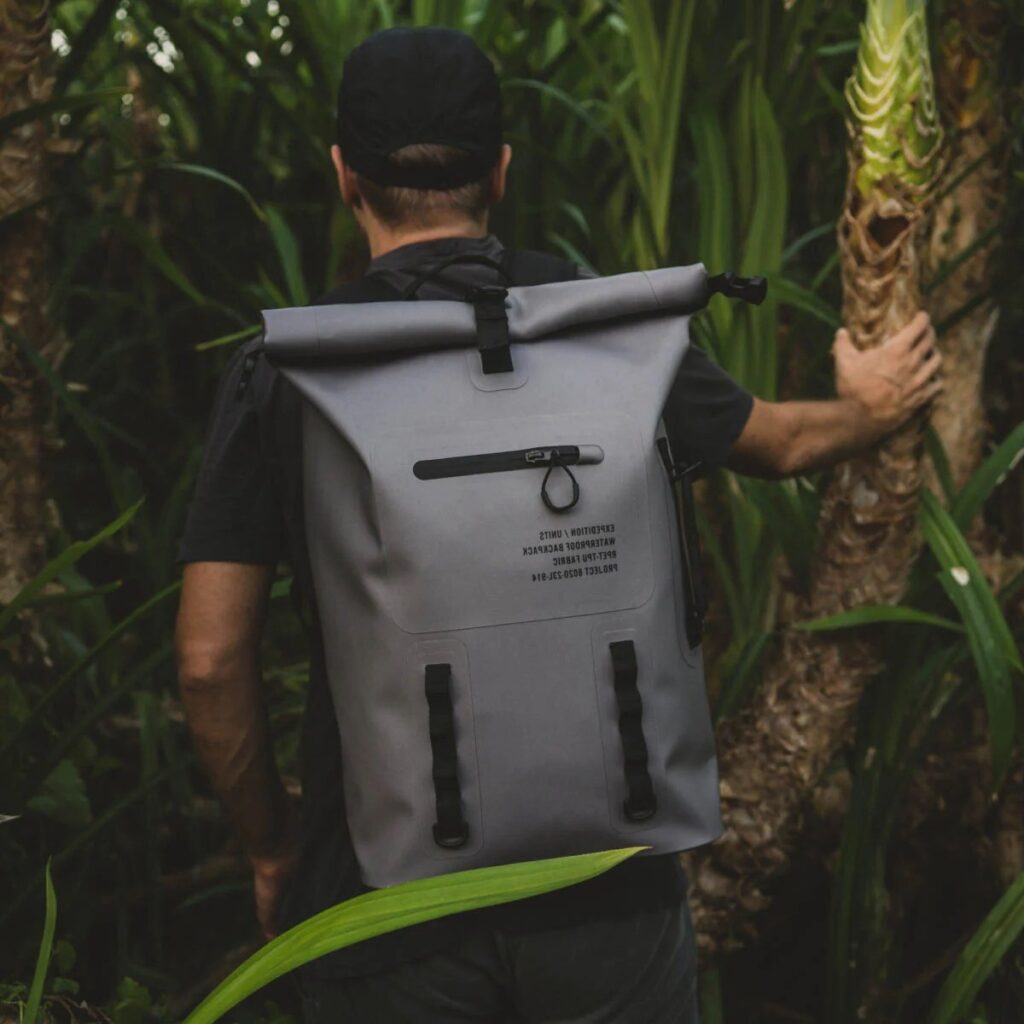
Drying a backpack properly is about more than just convenience—it’s essential for preserving its quality and functionality. By following the right methods and avoiding common mistakes, you can extend the life of your backpack and keep it in top condition.
A. Key Takeaways
- Prioritize Air-Drying: Most materials—whether nylon, canvas, or leather—benefit from gentle, ventilated drying. Avoid heat to prevent shrinkage, warping, or fabric damage.
- Material Matters: Tailor your drying method to the material:
- Leather: Avoid heat and condition it after drying.
- Waterproof fabrics: Focus on airflow to dry hidden moisture.
- Canvas: Prevent shrinkage by drying flat and reshaping as needed.
- Prevent Moisture Traps: Always dry compartments, zippers, mesh pockets, and hardware thoroughly. This prevents mold, mildew, and odors from forming.
- For Bulk Buyers: Educating customers on proper drying techniques is a simple way to enhance product lifespan, reduce complaints, and boost satisfaction.
B. Final Tips
- Opt for Quick-Drying Materials: If you frequently face wet conditions, such as hiking in the rain or daily commuting, choose backpacks made of quick-drying materials like nylon or polyester.
- Store Open: When not in use, store your backpack with all compartments open. This allows airflow and prevents moisture buildup.
- Invest in a Drying Rack: A backpack drying rack is a great tool to maintain the shape of the bag and improve airflow while drying. It’s especially useful for larger or structured backpacks.
- Material Choice: Source nylon/polyester backpacks for faster drying.
- Customer Education: Share care labels – Partner with a reliable backpack manufacturer for durable, low-maintenance designs.


 English
  Spanish
  German
  French
  Russian
  Portuguese
  Italian
  Polish
  Swedish
  Finnish
  Danish
  Greek
Greek